

Comparexpert
Comparison Between Company


Why Performance Marketers Are Exploring TravelTime Travel Insurance Opportunities

The travel industry continues to create opportunities for online businesses, publishers, and digital marketers. As more people plan holidays, international trips, and adventure experiences, the demand for reliable travel protection is also attracting attention. This has made travel insurance affiliate marketing an interesting area for performance marketers looking for new revenue opportunities.
One brand gaining attention in this space is TravelTime Travel Insurance. It offers different insurance options designed for travellers with different requirements. For performance marketers, the brand presents an opportunity to connect people searching for travel protection with relevant insurance products through digital campaigns and affiliate partnerships.
Table of Contents
Understanding TravelTime Travel Insurance
TravelTime Travel Insurance is a UK-based specialist provider offering travel insurance policies for people planning different types of journeys. Its services focus on helping travellers find suitable protection before leaving home.
The company provides several insurance options, including single-trip, annual multi-trip, winter sports, and backpacker insurance. These products address different travel requirements, making the brand relevant to multiple customer groups.
According to its official website, TravelTime provides online quotes, worldwide emergency assistance, and options for customers with certain pre-existing medical conditions. Its policies are available for eligible customers up to and including 75 years of age.
Travel Insurance Products and Coverage Options
TravelTime offers products designed around different travel habits.
- Single Trip Insurance: Suitable for people taking one holiday or journey.
- Annual Multi-Trip Insurance: Designed for travellers planning several trips throughout the year.
- Winter Sports Insurance: Provides specialist cover for eligible winter sports activities.
- Backpacker Insurance: Designed for longer travel experiences.
These different options give marketers opportunities to create targeted campaigns instead of promoting one general insurance product to everyone.
Why Travel Insurance Is Attracting Performance Marketers
Performance marketers are interested in industries where customers actively search for solutions and are willing to make purchasing decisions online. Travel insurance fits this model because many travellers research coverage before booking or starting their journeys.
Unlike general travel inspiration content, insurance-related searches often come from people with a specific requirement. They may want to understand medical coverage, cancellation protection, baggage benefits, or policy prices.
This creates opportunities for marketers to reach potential customers through relevant content, comparison websites, paid campaigns, and affiliate links.
Growing Demand for Travel Protection
Travel plans can involve unexpected situations, including medical emergencies, delayed journeys, cancelled holidays, and lost luggage. Travellers increasingly consider these possibilities when preparing for international and domestic trips.
For marketers, this creates an opportunity to publish useful educational content explaining why travel protection matters.
Opportunities in Affiliate Marketing
Affiliate marketing allows publishers to earn commissions by referring customers to insurance providers through tracked links.
Instead of developing their own insurance products, performance marketers can work with established providers and focus on customer acquisition.
TravelTime’s affiliate programme is listed on networks such as Awin and FlexOffers, providing potential partnership opportunities for approved publishers.
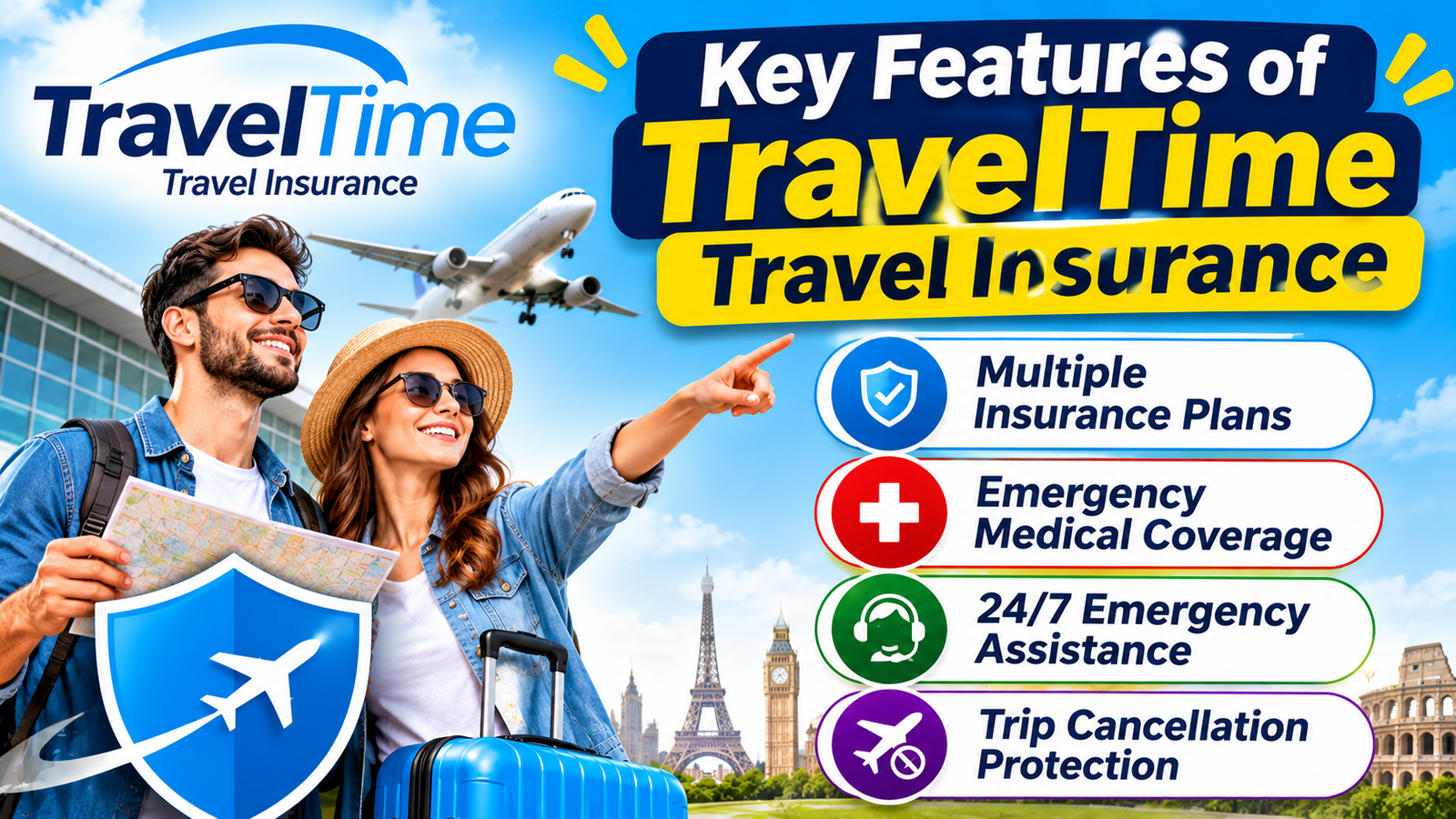
Key Features of TravelTime Travel Insurance
- Multiple Insurance Plans: Offers Single Trip, Annual Multi-Trip, Winter Sports, and Backpacker insurance.
- Emergency Medical Coverage: Provides emergency medical expenses cover up to £10 million, subject to policy terms.
- 24/7 Emergency Assistance: Provides worldwide emergency assistance whenever travellers need support.
- Trip Cancellation Protection: Offers cancellation cover up to £4,000, depending on the selected policy.
Exploring the TravelTime Affiliate Programme
The TravelTime affiliate programme gives digital publishers an opportunity to promote travel insurance through online marketing channels.
According to Awin’s merchant listing, the programme has a 30-day attribution period. This means eligible referrals may be tracked when customers complete qualifying actions within the applicable attribution window.
Performance marketers should check the latest commission structure, eligibility requirements, payment conditions, and promotional restrictions directly through their affiliate network before starting campaigns.
Commission and Tracking Opportunities
Affiliate commissions are an important factor when evaluating a marketing programme. However, marketers should not focus only on the advertised percentage.
They should also examine conversion rates, average earnings per click, approval rates, cancellation rates, and the quality of available tracking tools.
A campaign generating fewer but more relevant visitors may perform better than one attracting thousands of visitors who have little interest in purchasing insurance.
Why Performance Marketing Works for Travel Insurance
Performance marketing focuses on measurable results. Marketers can track clicks, leads, conversions, and campaign expenses to understand which promotional methods deliver value.
Travel insurance is suitable for this approach because customers often research products before making a purchase.
Search Engine Marketing
Search engines provide an important opportunity to reach people actively looking for travel insurance.
Marketers can target relevant keywords such as:
- Travel insurance for international trips
- Annual multi-trip travel insurance
- Winter sports travel insurance
- Backpacker travel insurance
- Travel insurance with medical coverage
Creating helpful landing pages around these searches can attract visitors who already have an interest in travel protection.
Content Marketing and Blogging
Content marketing is another useful strategy for promoting TravelTime.
Publishers can write travel guides, insurance comparisons, destination articles, and educational blogs explaining different types of coverage.
For example, an article about preparing for a European holiday could naturally discuss the importance of medical coverage and travel insurance.
The key is to provide genuine information instead of making every article sound like a sales advertisement.
Social Media Advertising
Social media platforms allow marketers to reach people interested in holidays, international destinations, backpacking, and adventure activities.
Travel-related videos, informative posts, and short educational advertisements can introduce audiences to insurance considerations.
However, campaigns should follow advertising platform policies and applicable insurance advertising regulations. Marketers should avoid exaggerated promises or misleading statements about coverage.
Target Audiences for TravelTime Insurance
Understanding the target audience is essential for improving campaign performance.
TravelTime’s different insurance products allow marketers to approach several customer segments with relevant messages.
Frequent Travellers and Holidaymakers
Frequent travellers may find annual multi-trip insurance relevant because they regularly travel during the year.
Families planning holidays may be interested in understanding available family and couple options. Adventure travellers may search for specialist protection related to winter sports or longer backpacking journeys.
By creating separate campaigns for these groups, marketers can improve audience relevance and attract visitors with specific insurance requirements.
How TravelTime Makes Travel Planning Easier
Travel planning involves several important decisions, from booking flights and hotels to arranging transportation and travel documents. Insurance is another important part of the process because unexpected situations can affect even the best-planned holiday. TravelTime Travel Insurance helps travellers explore different coverage options before starting their journey. Its online quote facility makes it easier to review available plans and select an option based on individual travel requirements. This gives customers an opportunity to consider travel protection alongside their other holiday arrangements.
Different Types of Travellers Who Can Benefit
Travel insurance requirements are different for every person. A family going on a summer holiday may need different protection from a backpacker planning a long international journey. TravelTime offers different policy categories that address several travel situations.
- Families: Suitable policy options for families planning holidays together.
- Business Travellers: Annual multi-trip cover may be useful for people travelling regularly.
- Adventure Travellers: Specialist options may suit eligible winter sports activities.
- Backpackers: Longer-term travel insurance options for extended journeys.
- Holidaymakers: Single-trip insurance for people planning occasional holidays.
Choosing the right policy depends on the destination, travel duration, planned activities, and personal circumstances.
Benefits of Promoting TravelTime Insurance
There are several reasons why performance marketers may consider exploring this programme.
- Multiple insurance products: Different policy categories provide opportunities to target different travel audiences.
- Established insurance provider: TravelTime operates in the UK travel insurance market and is regulated through its associated insurance business.
- Affiliate network availability: Its presence on affiliate networks such as Awin gives publishers a recognised platform for exploring partnership opportunities.
- Content marketing potential: Travel insurance connects naturally with travel blogs, destination guides, holiday planning articles, and comparison content.
- Measurable campaigns: Affiliate tracking allows marketers to evaluate clicks and qualifying sales and improve their promotional strategies.

Why Comparing Travel Insurance Policies Matters
Choosing travel insurance based only on price can lead to problems later. Two policies may look similar but offer different medical limits, cancellation benefits, baggage protection, and exclusions. Travellers should carefully compare the coverage details before making a decision. They should also check whether their planned activities are included and whether additional protection is required. Understanding these differences helps customers make more informed decisions and select coverage that matches their travel plans.
Understanding TravelTime's Three Levels of Coverage
One feature that makes TravelTime interesting is its three levels of insurance coverage: Economy, Premier, and PremierPlus. These options allow eligible customers to compare different levels of protection according to their travel needs and budgets. Economy may suit travellers looking for basic protection, while Premier and PremierPlus provide alternative benefit levels with different coverage limits. Customers should compare medical expenses, cancellation protection, baggage benefits, and policy excess before selecting a plan. Having multiple coverage levels makes it easier to explore different options rather than choosing a single fixed package.
Also Read
Why Brands Are Investing in Quidco UK New Member Acquisition CPL for Customer Growth
Discover Convenient Parking Solutions for Travellers with Parken und Fliegen DE
Smart Tips for Booking Your Next Winter Escape with Ski-planet FR
Explore Premium Villa Rentals and Travel Experiences with Top Villas (US)
How gymdolphin Is Building Its Presence in the Competitive Fitness Industry
TravelTime's Approach to Medical Protection
Medical emergencies can happen unexpectedly, even during a short holiday. Travellers visiting another country may face expensive medical treatment, hospital stays, or emergency transportation costs. TravelTime advertises emergency medical expenses cover of up to £10 million, depending on the policy selected. It also provides 24-hour worldwide emergency assistance to support customers during eligible emergencies. This feature can be particularly relevant for people travelling to destinations where private healthcare costs are high.
Challenges Performance Marketers Should Consider
Although travel insurance affiliate marketing offers opportunities, it also comes with challenges.
Insurance is a sensitive purchasing category because customers need accurate information before selecting a policy. Marketers must explain coverage limitations, exclusions, eligibility conditions, and policy requirements carefully.
Competition is another important consideration. Many established travel websites and insurance comparison platforms target similar keywords, making organic search visibility difficult to achieve.
Paid advertising can also become expensive if campaigns attract irrelevant traffic.
Successful marketers should focus on audience research, transparent communication, accurate product information, and consistent performance monitoring.
Strategies for Successful Travel Insurance Campaigns
A successful TravelTime campaign requires more than simply placing affiliate links on a website.
Start by identifying the audience and understanding its travel-related needs. Build useful landing pages that explain relevant insurance options and answer common customer questions.
Use keyword research to discover what potential customers are searching for. Create content that matches their search intent, and include affiliate links naturally where they provide genuine value.
Performance marketers should regularly review:
- Click-through rates (CTR).
- Conversion rates.
- Earnings per click (EPC).
- Cost per acquisition (CPA).
- Return on advertising spend (ROAS).
Testing different headlines, landing pages, content formats, and audience segments can help identify better-performing campaigns.
Conclusion
TravelTime Travel Insurance presents an interesting opportunity for performance marketers exploring the travel insurance affiliate market. Its range of insurance products creates opportunities to reach holidaymakers, frequent travellers, backpackers, and people interested in specialist travel protection.
With affiliate network availability, content marketing potential, and measurable campaign performance, the programme is worth considering for publishers working in the travel industry.
However, long-term success depends on more than commission rates. Relevant traffic, transparent information, audience trust, and effective campaign optimisation are essential for building a sustainable affiliate marketing strategy.
Frequently Asked Questions
TravelTime is a UK-based travel insurance provider offering single-trip, annual multi-trip, winter sports, and backpacker insurance policies.
Yes. TravelTime Travel Insurance is listed on affiliate networks, including Awin and FlexOffers, where publishers can explore partnership opportunities.
Marketers are interested in its different insurance products, travel-related audiences, affiliate opportunities, and potential for measurable digital campaigns.
SEO content, travel blogs, comparison articles, social media campaigns, and relevant paid advertising can help publishers reach potential customers.
It may be suitable for websites covering travel planning, holiday advice, backpacking, and travel protection. Publishers should review the programme's latest terms and commission conditions before joining.
Table of Contents
Related Post

Why Brands Are Investing in Quidco UK New Member Acquisition CPL for Customer Growth
admin
November 27, 2026
Read More »

Experience Premium Airport Comfort and Convenience with Plaza Premium (Global)
admin
November 26, 2026
Read More »

Discover Convenient Parking Solutions for Travellers with Parken und Fliegen DE
admin
November 25, 2026
Read More »

Your Complete Guide to Booking Concert and Event Tickets with oeticket.com AT
admin
November 24, 2026
Read More »

Smart Tips for Booking Your Next Winter Escape with Ski-planet FR
admin
November 24, 2026
Read More »