
Comparexpert
Comparison Between Company


Bright Data Review: Web Data Collection Platform Explained
Discover a detailed Bright Data review covering its proxy network, web scraping tools, pricing, and performance. Learn how Bright Data simplifies large-scale web data collection for businesses, marketers, and developers.
Table of Contents
What is Bright Data?
Overview of the Platform
If you’ve ever tried to collect data from the web at scale, you already know it’s not as simple as copying and pasting from a webpage. Websites block bots, limit access, and use sophisticated anti-scraping techniques. This is exactly where Bright Data steps in as a powerful solution. It is one of the most advanced web data collection platforms designed to help businesses, developers, and researchers gather publicly available data efficiently and ethically.
At its core, Bright Data offers a combination of proxy networks, scraping tools, and automation systems that work together seamlessly. Instead of struggling with IP bans or CAPTCHAs, users can rely on Bright Data’s infrastructure to bypass restrictions while staying compliant. Think of it like having a global network of digital agents that can access websites from different locations without raising red flags.
The platform is widely used by companies across industries such as e-commerce, cybersecurity, travel, finance, and digital marketing. Whether you want to monitor competitors’ prices, analyze market trends, or collect large datasets for machine learning, Bright Data provides the tools to do it efficiently.
Key Use Cases
Bright Data isn’t just a one-size-fits-all tool—it adapts to a wide variety of use cases. Businesses often use it for price intelligence, tracking competitors’ pricing strategies in real time. This is especially crucial in highly competitive markets like e-commerce, where even small price changes can impact sales significantly.
Another major use case is ad verification. Companies use Bright Data to ensure their ads are displayed correctly across different regions and platforms. Without a tool like this, it would be nearly impossible to verify ad placements globally. Similarly, it plays a big role in SEO monitoring, allowing marketers to track search engine rankings and keyword performance from multiple locations.
Researchers and data scientists also rely on Bright Data for large-scale data extraction. Imagine trying to manually collect millions of data points—it would take months. Bright Data automates this process, making it faster and more accurate.
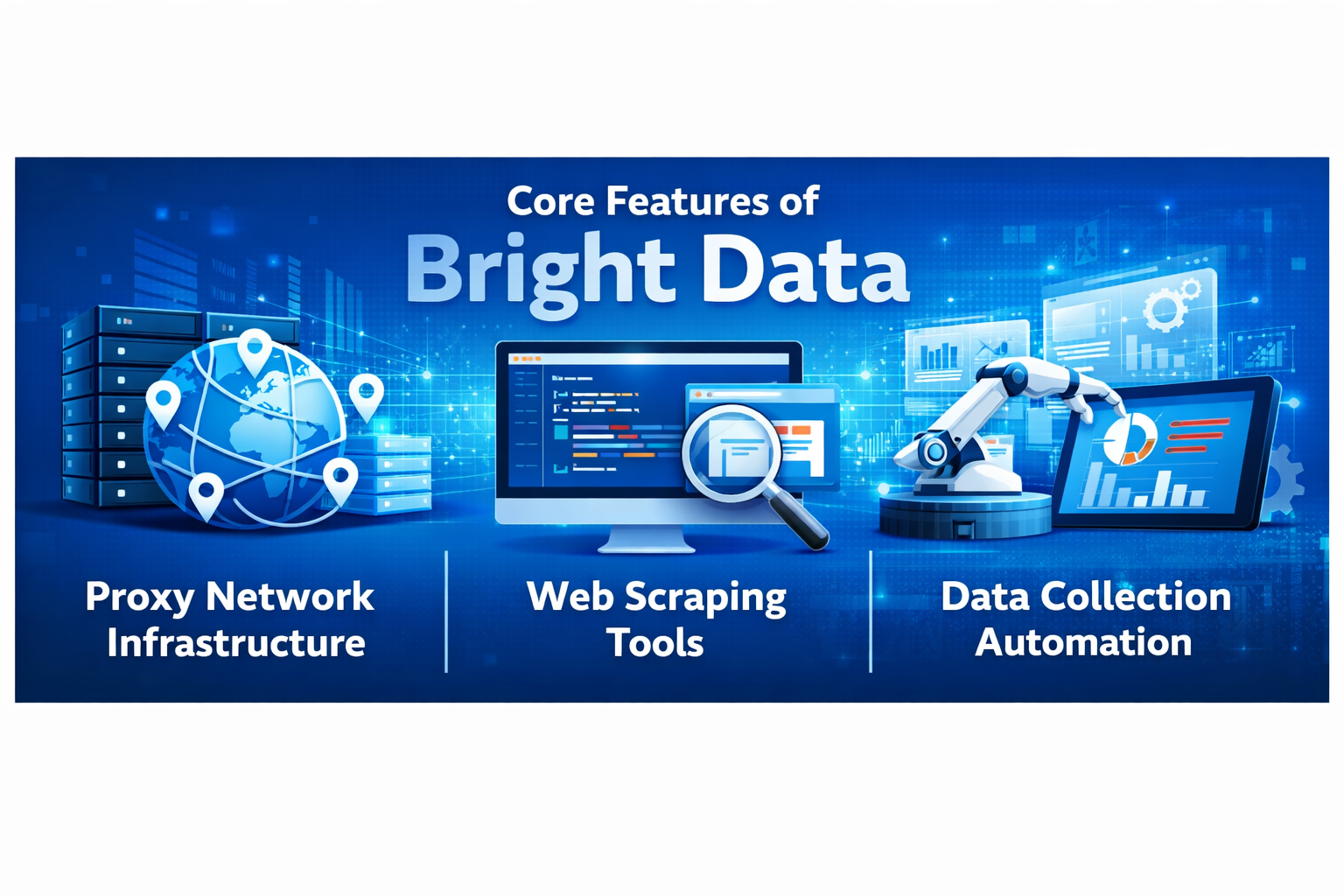
Core Features of Bright Data
Proxy Network Infrastructure
One of the standout features of Bright Data is its massive proxy network infrastructure. It boasts millions of IP addresses distributed across countries worldwide. This allows users to simulate real user behavior from virtually any location.
Why does this matter? Because websites often block repeated requests from the same IP. Bright Data rotates IP addresses automatically, ensuring smooth and uninterrupted data collection. This is particularly useful when scraping large volumes of data from websites with strict anti-bot measures.
The network includes residential, mobile, datacenter, and ISP proxies, each designed for specific use cases. This flexibility ensures that users can choose the best option based on their needs, whether it’s speed, anonymity, or cost.
Web Scraping Tools
Bright Data doesn’t just give you proxies—it also provides powerful web scraping tools. These tools simplify the entire data extraction process, even for users who don’t have advanced coding skills.
For example, the platform includes a Web Scraper IDE, which allows developers to build and test scraping scripts efficiently. It also offers pre-built templates for popular websites, saving time and effort. This means you don’t have to start from scratch every time you want to collect data.
Additionally, Bright Data supports automated workflows, so you can schedule scraping tasks and receive data in structured formats like JSON or CSV. This makes it easy to integrate with analytics tools or databases.
Data Collection Automation
Automation is where Bright Data truly shines. Instead of manually running scripts, users can set up automated data collection pipelines. These pipelines handle everything—from sending requests to parsing responses and storing data.
This level of automation is a game-changer for businesses that rely on real-time data. For instance, an e-commerce company can automatically track competitor prices and adjust its own pricing strategy accordingly. It’s like having a 24/7 data collection team working behind the scenes.
Types of Proxies Offered by Bright Data
Residential Proxies
Residential proxies are considered the gold standard for web scraping. These IPs are assigned to real devices, making them appear as genuine users. Bright Data’s residential proxy network is one of the largest in the world, offering unmatched reliability.
Because these proxies mimic real users, they are less likely to be blocked by websites. This makes them ideal for accessing sensitive or heavily protected sites.
Datacenter Proxies
Datacenter proxies are faster and more affordable compared to residential proxies. They are not tied to real devices, which makes them easier to detect but significantly cheaper.
These proxies are perfect for tasks that require high speed, such as bulk data scraping where detection risk is lower.
Mobile Proxies
Mobile proxies use IP addresses assigned by mobile carriers. These are extremely difficult for websites to block because they are shared among multiple users.
They are particularly useful for testing mobile ads, app performance, and geo-specific content.
ISP Proxies
ISP proxies combine the best of both worlds. They offer the speed of datacenter proxies and the authenticity of residential proxies. This makes them a versatile option for many use cases.
Bright Data Scraping Tools Explained
Web Scraper IDE
The Web Scraper IDE is designed for developers who want full control over their scraping projects. It allows users to write custom scripts, debug them, and deploy them efficiently.
Even though it’s developer-focused, the interface is intuitive enough for intermediate users to learn quickly. It supports multiple programming languages and integrates seamlessly with Bright Data’s proxy network.
Data Collector
The Data Collector is a no-code solution that simplifies web scraping. Users can choose from pre-built datasets or customize their own data collection tasks.
This is perfect for non-technical users who need quick results without diving into code. It’s like ordering data on demand.
SERP API
The SERP API allows users to collect search engine results data in real time. This is incredibly valuable for SEO professionals who want accurate ranking data across different locations.
Instead of manually checking rankings, users can automate the process and get structured data instantly.
Bright Data Pricing Structure
Pay-as-you-go Plans
Bright Data offers flexible pay-as-you-go pricing, which is ideal for users who don’t need constant data extraction. You only pay for what you use, making it a cost-effective option for small projects.
Subscription Models
For businesses with ongoing data needs, subscription plans provide better value. These plans offer lower rates per GB and additional features like dedicated support.
Plan Type | Best For | Pricing Model |
Pay-as-you-go | Occasional users | Usage-based |
Subscription | Businesses | Monthly billing |
Enterprise | Large-scale operations | Custom pricing |
Performance and Speed
Reliability and Uptime
Bright Data is known for its high uptime and reliability. The platform ensures minimal downtime, which is crucial for continuous data collection.
Global Coverage
With IPs available in almost every country, Bright Data provides excellent global coverage.
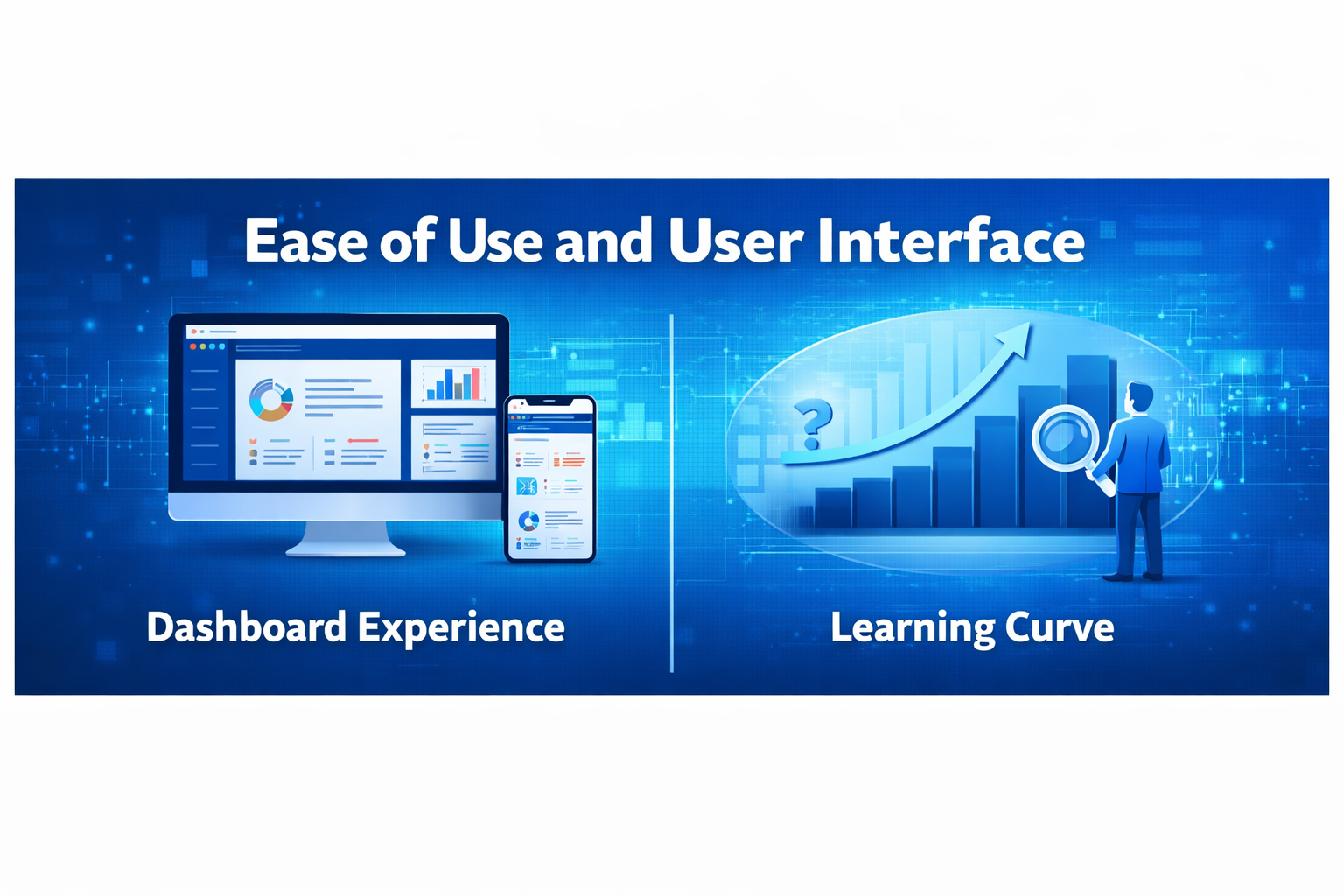
Ease of Use and User Interface
Dashboard Experience
The dashboard is clean, modern, and packed with features. Users can monitor usage, manage proxies, and track data collection tasks.
Learning Curve
While beginners might find it slightly complex at first, the platform offers extensive documentation and tutorials to help users get started.
Bright Data for Businesses
Enterprise Solutions
Bright Data offers tailored solutions for enterprises, including dedicated account managers and custom integrations.
Compliance and Ethics
The platform emphasizes ethical data collection and complies with global regulations, making it a trusted choice for businesses.
Pros and Cons of Bright Data
Pros:
- Massive proxy network
- Advanced scraping tools
- High reliability
- Flexible pricing
Cons:
- Slight learning curve
- Premium pricing for advanced features
Also Read
BeLight Software Review: Creative Tools for Designers and Developers
Truly Beauty Review: Is This Skincare Brand Worth the Hype?
Online NL: Complete Guide to Digital Services in the Netherlands
Top 10 Ways Packhelp Helps Brands Build Stronger Packaging Identity
How Simpel NL Attracts Customers with Smart Pricing: Insights for Marketers
Bright Data vs Competitors
Compared to other platforms, Bright Data stands out due to its scale and versatility. While competitors may offer cheaper solutions, they often lack the same level of reliability and global coverage.
Who Should Use Bright Data?
Bright Data is ideal for:
- Businesses needing large-scale data
- SEO professionals
- Market researchers
- Developers and data scientists
Final Verdict
Bright Data is not just a proxy provider—it’s a complete web data collection ecosystem. It combines powerful infrastructure with user-friendly tools, making it suitable for both beginners and advanced users.
Conclusion
Bright Data has positioned itself as a leader in the web data collection space by offering a comprehensive suite of tools that address every aspect of data extraction. From its massive proxy network to its advanced scraping solutions, the platform provides everything needed to collect data efficiently and ethically. While it may come with a learning curve and higher pricing, the value it delivers makes it a worthwhile investment for serious users.
Frequently Asked Questions
Yes, Bright Data focuses on collecting publicly available data and complies with global regulations.
It can be used by beginners, but there is a slight learning curve.
Its large network, advanced tools, and automation capabilities set it apart.
Yes, it is widely used for rank tracking and SERP analysis.
Yes, it provides support options including dedicated account managers for enterprise users.
Table of Contents
Related Post

BeLight Software Review: Creative Tools for Designers and Developers
admin
March 19, 2026
Read More »