

Comparexpert
Comparison Between Company


How TEALEAVES Brings Premium Tea Experiences to Modern Tea Lovers
Tea has always been more than a drink. For millions of people, it represents relaxation, hospitality, tradition, conversation, and even a small escape from a busy day. Yet modern tea lovers are becoming more selective. They want better ingredients, richer flavors, attractive presentation, responsible sourcing, and an experience that feels meaningful rather than ordinary. This is where TEALEAVES has created a distinctive position in the premium tea market.
Table of Contents
Introduction
TEALEAVES began in Vancouver in 1994 with a focus on carefully crafted tea. Over time, the company developed relationships with tea gardens around the world and built its identity around master blending. Rather than simply purchasing tea, putting it into a package, and selling it, the company positions its blenders as experts who evaluate the character of individual teas and botanicals before creating a finished blend.
This approach gives TEALEAVES a different personality from mass-market tea brands. The brand is interested in the details that make one harvest or growing region different from another. Soil, climate, elevation, harvesting methods, oxidation, and processing can all influence how tea ultimately tastes and smells. TEALEAVES compares this idea to the way people think about wine, where the character of a product can reflect its environment and production process.
From Vancouver to the Global Tea Scene
Today, TEALEAVES has developed a global reputation within luxury hospitality and culinary circles. Its wholesale clientele includes major hotel groups and properties associated with names such as Four Seasons, Mandarin Oriental, Ritz-Carlton, St. Regis, Waldorf Astoria, Park Hyatt, Rosewood, and Langham, along with Michelin-level culinary partners.
That connection with luxury hospitality is important because hotels understand that small details can influence how guests remember an experience. A beautiful room, excellent service, carefully prepared food, and a thoughtfully presented cup of tea all contribute to the overall impression. TEALEAVES uses tea as one of those details, turning something familiar into part of a more refined hospitality experience.
What Makes TEALEAVES Tea Premium?
Premium tea is not created simply by putting a higher price on a box. The real difference comes from the ingredients, selection, craftsmanship, consistency of quality, and attention to detail behind the final product. TEALEAVES says it sources ingredients from more than 80 countries and selects only a small portion of the leaves presented to its blenders, describing this as the top 1% of leaves.
The company also focuses on the top grades of tea and botanicals rather than treating every leaf as interchangeable. This matters because tea leaves can vary dramatically in aroma, texture, strength, sweetness, and finish. A skilled blender has to understand those differences and decide how different ingredients can work together. The goal is not simply to make tea that tastes strong; it is to create a balanced sensory experience.
Careful Selection of Tea Leaves
TEALEAVES states that its finest teas are often hand-picked, with only the bud and top one or two leaves selected. This part of the process reflects an old principle in premium tea production: younger leaves and buds can offer distinctive flavors and aromas when they are harvested and processed correctly.
The growing environment also matters. High-elevation gardens, for example, can experience cooler conditions that slow leaf growth and may create more concentrated flavor and aroma. Once the leaves are harvested, processing becomes equally important. Different levels of oxidation help create the characteristics associated with green, black, and oolong teas.
The Art of Master Blending
The master blender is one of the most important parts of the TEALEAVES philosophy. Blending is not simply mixing ingredients according to a fixed formula. It involves evaluating color, aroma, taste, texture, and the character of individual ingredients before deciding how they should come together.
TEALEAVES says its master blenders focus on the palate of color, aroma, and taste. The company also emphasizes terroir—the idea that the characteristics of the growing environment can influence the final tea. This gives the blending process an almost culinary quality, where the blender works with individual ingredients much like a chef works with fresh produce and spices.
Understanding the TEALEAVES Tea Philosophy
For TEALEAVES, premium tea is closely connected to sensory experience. The company looks beyond whether a tea is simply pleasant to drink and asks how the drink looks, smells, tastes, and feels as part of a larger ritual. That philosophy is especially relevant today because modern consumers increasingly want products that provide an experience rather than only a basic function.
Tea can be a morning routine, an afternoon pause, a social activity, or a relaxing evening ritual. A well-made tea can change the atmosphere of a moment without requiring anything complicated. TEALEAVES builds its brand around that simple idea: a cup of tea can become a small but meaningful part of everyday life.
Color, Aroma, and Taste
Imagine preparing two cups of tea. Both may technically contain the same type of tea, but one has a flat aroma and dull appearance while the other has a clear color, inviting fragrance, and layered taste. Which one feels premium? The difference is often created by many small decisions throughout the production process.
TEALEAVES puts particular attention on these sensory elements. Its blending philosophy considers color, aroma, and taste together instead of treating flavor as the only important factor. Its broader research initiatives have also explored aroma, design, food, sustainability, and the cultural role of taste.
A World of Tea Varieties
One reason modern tea lovers have so many choices with TEALEAVES is the breadth of its collection. The brand offers white, green, oolong, black, herbal, botanical, and tisane options. This variety means customers can choose tea based on taste, mood, time of day, or occasion rather than being limited to one traditional category.
Each category brings a different experience. Green tea can offer fresh and delicate notes, while black tea can be richer and more robust. White tea is often appreciated for its subtle character, and oolong sits between green and black tea in terms of processing and flavor. Herbal and botanical infusions create another world entirely, often bringing floral, fruity, spicy, or earthy characteristics to the cup.
Black, Green, White, and Oolong Teas
The interesting thing about traditional tea is that several major categories originate from the same plant, Camellia sinensis. What changes is how the leaves are harvested and processed. Oxidation is one of the key processes that helps produce different characteristics across green, black, and oolong teas.
TEALEAVES uses this understanding to build blends with specific flavor profiles. Its collection includes familiar classics alongside more distinctive combinations. For someone new to premium tea, this creates an opportunity to explore rather than simply choose between “tea” and “coffee.”
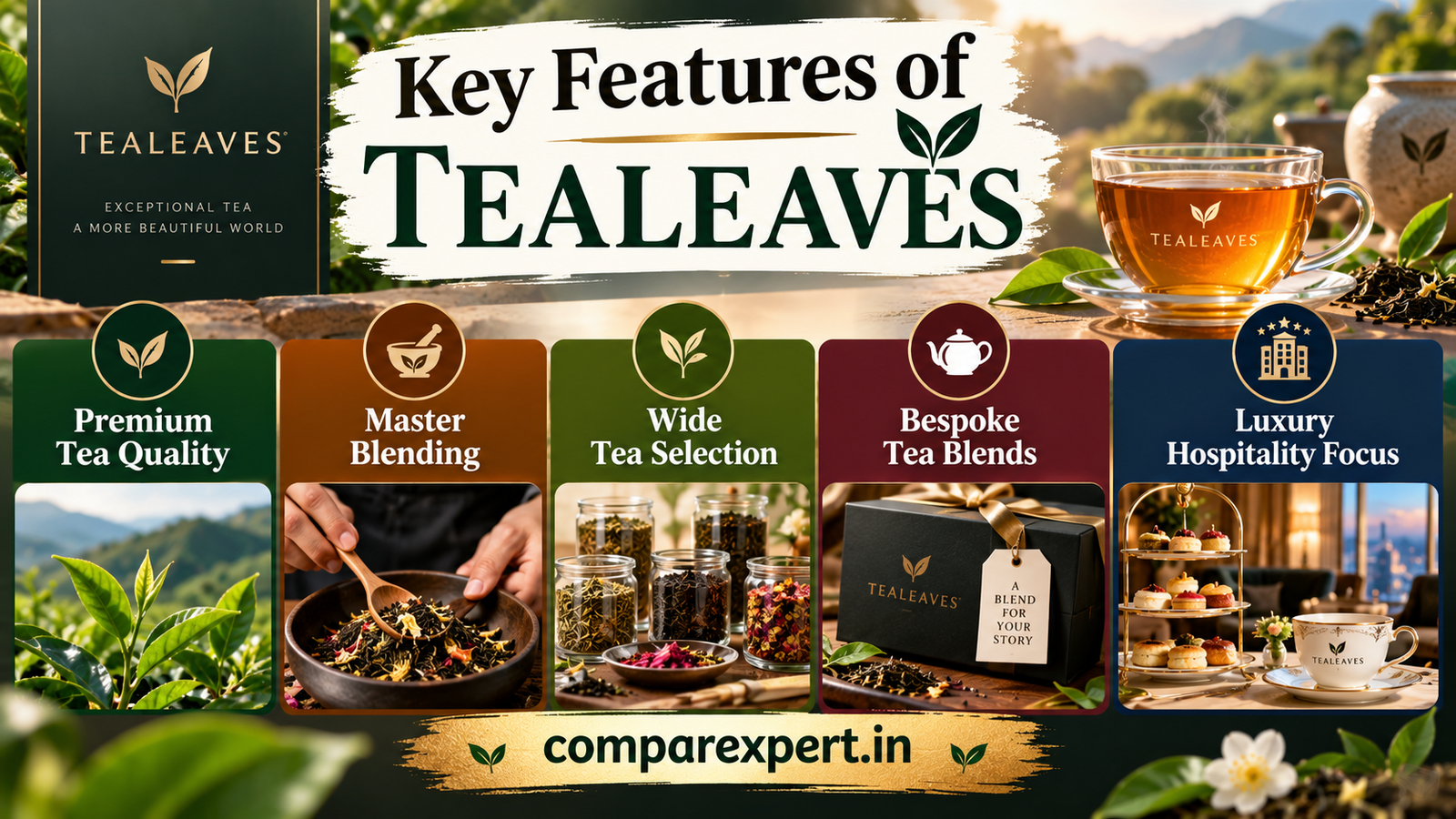
Key Features of TEALEAVES
- Premium Tea Quality – Carefully selected high-quality tea leaves and botanicals.
- Master Blending – Expertly crafted blends focused on balanced color, aroma, and taste.
- Wide Tea Selection – Includes black, green, white, oolong, herbal, and botanical teas.
- Bespoke Tea Blends – Custom tea blends created for hotels, chefs, brands, and special experiences.
- Luxury Hospitality Focus – Trusted by luxury hotels and culinary professionals around the world.
Botanical Teas and Tisanes
Modern tea culture has expanded far beyond traditional tea leaves. Many consumers now enjoy botanical ingredients because they bring different aromas, colors, and flavors to the tea ritual. TEALEAVES works with ingredients such as herbs, flowers, spices, fruits, and other botanicals to create blends that offer a different experience from conventional tea.
The company has also explored botanical powders and sustainable ingredients through its In Good Taste initiative. That project examines the relationship between taste, health, agriculture, sustainability, and consumer choices. TEALEAVES says the work encouraged it to rethink ingredients and packaging while exploring ways that delicious products can also support more conscious choices.
This approach fits the modern consumer mindset. People increasingly want to understand what they are consuming and where it comes from. A botanical tea can therefore become more than a beverage—it can be part of a broader lifestyle centered around flavor, ritual, and mindful consumption.
Bespoke Tea Blending
One of TEALEAVES’ most distinctive offerings is bespoke blending. Instead of creating only standard products for a general market, the company also works with luxury brands, hotels, chefs, cultural organizations, and other partners to develop teas connected to particular identities or experiences.
This turns tea into a form of storytelling. A hotel might want a signature blend that reflects its location or history. A fashion, design, or cultural brand might want a tea connected to a particular visual identity. The tea then becomes part of the brand experience rather than simply another item on a menu.
Collaborations With Luxury Hotels and Chefs
TEALEAVES has created blends associated with luxury hospitality and culinary partners. Its collection includes examples such as St. Regis Blend, Four Seasons Hong Kong, The Ritz-Carlton Naples, and Grand Hyatt Hong Kong – Tiffin Bespoke Blend.
The company also highlights relationships with culinary figures and institutions, including chefs such as Jean-Georges Vongerichten, Alain Ducasse, and Guy Savoy.
These collaborations demonstrate how premium tea can move beyond a traditional beverage category. When chefs and hospitality brands use tea creatively, it can become part of desserts, cocktails, food pairings, welcome rituals, afternoon tea services, and other experiences.
TEALEAVES and the Modern Tea Ritual
Modern life moves quickly. People work, study, travel, communicate, and consume information almost constantly. A tea ritual creates an opportunity to slow down, even if only for several minutes.
TEALEAVES approaches tea as an intentional experience. The preparation itself can become part of the enjoyment: selecting the blend, heating the water, watching the leaves open, noticing the aroma, and finally tasting the tea. These simple steps create a break from the digital pace of everyday life.
That is why premium tea does not necessarily mean complicated tea. Sometimes the luxury is simply having a product carefully designed so that an ordinary moment feels more enjoyable.
Sustainability at the Heart of the Brand
A modern premium brand cannot focus only on luxury. Consumers increasingly ask what happens behind the product, including how ingredients are sourced, how workers are treated, and what happens to packaging after use. TEALEAVES has made sustainability a major part of its brand positioning and describes its approach as blending for people and planet.
The company says it supports sustainable growing practices, works with small-scale growers, and promotes biodiversity-positive design. It also describes its sustainability work as extending beyond packaging into sourcing, agriculture, social impact, and collaboration with organizations and experts.
Compostable and Recyclable Packaging
Packaging is one area where TEALEAVES has tried to connect premium presentation with environmental responsibility. Its classic compostable teabags use plant-based materials, while the company says its envelopes are cellulose-based and designed without plastic.
Its loose-leaf teas are packaged in recyclable tins that can also be reused for other household purposes. TEALEAVES describes these decisions as part of a circular approach to packaging, where materials are considered beyond their initial use.
This is an important shift in the meaning of luxury. Traditionally, luxury could be associated with excess. Today, a growing number of consumers see thoughtful design, durability, responsible materials, and reduced waste as more meaningful forms of premium quality.
Supporting Tea Growers and Biodiversity
Tea quality begins long before the leaves reach a blender. It begins in the garden. TEALEAVES says it has developed long-term relationships with many of the gardens it works with and aims to support small-scale growers rather than placing unnecessary burdens on them.
The company also highlights regenerative agriculture, women-owned micro farms, organic practices, and biodiversity as part of its sourcing philosophy.
One notable example is its Himalayan Mountain Tea project, which involves collaboration with women in a remote Himalayan village. TEALEAVES says the project aims to support greater empowerment and growth within the community’s traditional agro-pastoral livelihood and notes that it received the Equator Prize in 2023.
Quality Testing and Traceability
Premium positioning only works when customers can trust the quality of what they are buying. TEALEAVES says all of its teas undergo third-party testing based on stringent international and EU standards for issues including herbicides, pesticides, mold, and salmonella. The company also says its quality management process includes radiation testing and full lot traceability.
Not every TEALEAVES blend is certified organic, and the company explains why. Certification can create significant costs for smaller tea gardens, so TEALEAVES says it does not require every grower to obtain organic certification. Instead, it states that its botanical ingredients undergo independent third-party testing.
This is an example of how premium sourcing can involve more than a simple label. The broader question is how a company manages quality, relationships, testing, and transparency across its supply chain.
Popular TEALEAVES Tea Experiences
TEALEAVES offers a wide selection of traditional and creative blends. One example is its English Breakfast, a loose-leaf black tea featuring predominantly Keemun summer harvests with Ceylon added for additional nuance. The brand describes its profile as sweet and biscuity in aroma, with an elegant, bright, and brisk palate.
The collection also includes blends such as Earl Grey variations, Jasmine, Vanilla Rooibos, Chai, Mountain Berry, Ginger Yuzu, and other seasonal and botanical creations. Current products are available in formats including loose leaf, signature teabags, classic teabags, and other specialty formats.
This variety is useful for modern tea drinkers because not everyone wants the same cup every day. Someone may want a strong black tea in the morning, a floral green tea in the afternoon, or a caffeine-free botanical infusion in the evening.
English Breakfast and Signature Blends
Classic blends are important because premium tea should not require customers to completely abandon familiar flavors. TEALEAVES takes recognizable categories and applies its own sourcing and blending philosophy to them.
Its English Breakfast is a good example. Instead of presenting the blend simply as a generic breakfast tea, TEALEAVES explains its ingredients, flavor character, purpose, and suggested pairings. That additional information helps consumers understand the experience rather than simply seeing tea as a packaged commodity.
Why Luxury Hotels Choose TEALEAVES
Luxury hotels operate in a world where details matter. Guests may remember the quality of breakfast, the welcome drink, the room amenities, or the afternoon tea service. A premium tea brand can therefore support a hotel’s larger promise of quality.
TEALEAVES’ wholesale catalog specifically positions the company as a tea blender for five-star hotels and Michelin chefs. Its listed hospitality partners include major luxury hotel groups across different markets.
There is also an important customization advantage. Bespoke blends can help a property create something guests cannot experience in exactly the same way elsewhere. In that sense, tea becomes part of hospitality branding.

How TEALEAVES Connects Tea With Design
TEALEAVES does not treat tea as separate from visual culture. Its projects have explored connections between tea, color, aroma, design, culinary experiences, and sustainability. The company has also collaborated with organizations and brands such as Pantone and Cooper Hewitt on custom blends.
This makes sense because people experience products with more than one sense. Before tasting a tea, we see its packaging, smell its aroma, and notice the color of the infusion. The visual identity can influence expectations before the first sip.
For modern tea lovers, this creates a more complete experience. The tea can fit naturally into a kitchen, office, hotel room, restaurant, or social gathering while still retaining its traditional roots.
Tea, Wellness, and Conscious Living
Tea has long been associated with calm and daily rituals, but today’s consumers are also interested in mindful consumption. They want products that fit their routines without feeling disconnected from larger concerns about health, environment, and society.
TEALEAVES’ In Good Taste initiative explores this relationship between food, taste, sustainability, and conscious decision-making. The company argues that consumers can develop preferences for products that are both enjoyable and more responsible.
This does not mean every cup of tea needs to become a complicated wellness routine. Instead, the idea is simple: enjoy good flavor while becoming more aware of where ingredients come from and what choices mean for the wider system.
Also Read
The Ultimate Guide to Ivacy VPN: Features, Benefits & Security
Key Facts and Insights You Should Know About Interfocus Inc
What Makes Aporro a Popular Choice for Modern Men’s Fashion
A Beginner’s Guide to Understanding Smartbox and Its Benefits
Online Shopping Tips: How to Find the Best Products on Mini in the box
How to Create a Premium Tea Experience at Home
You do not need a five-star hotel kitchen to enjoy premium tea. The first step is choosing a tea that matches your preferred flavor profile. If you like stronger and richer flavors, explore black teas; if you prefer lighter and fresher notes, green or white tea may be more appealing. Herbal and botanical blends are useful when you want something different from traditional tea.
Water temperature and steeping time also matter. TEALEAVES provides different guidelines for different tea types, including approximately 82°C for green and white tea, 99°C for black tea, and 93°C for oolong tea.
The final ingredient is attention. Instead of preparing tea while scrolling through your phone, take a moment to notice the aroma and color. Use a good cup or teapot, serve it properly, and treat those few minutes as a small ritual. That simple change can make an ordinary beverage feel surprisingly special.
TEALEAVES vs. Ordinary Tea
The difference between TEALEAVES and conventional mass-market tea is not simply that one is expensive and the other is inexpensive. The bigger difference is the philosophy behind the product.
Feature | TEALEAVES Approach | Typical Mass-Market Approach |
Leaf selection | Highly selective sourcing | Designed primarily for scale |
Blending | Master-blended profiles | Standardized mass production |
Variety | Traditional, botanical, bespoke | Usually core mainstream varieties |
Hospitality | Used by luxury hotels and chefs | Broad consumer distribution |
Customization | Bespoke blends available | Usually limited |
Packaging | Compostable and recyclable options | Depends heavily on product |
Sustainability | Biodiversity and sourcing are central themes | Varies by company |
Experience | Focus on color, aroma, taste, and ritual | Primarily convenience |
The comparison does not mean mass-market tea is automatically poor. Affordable tea serves an important purpose and can be perfectly enjoyable. TEALEAVES simply operates at a different end of the market, where sourcing, blending, design, hospitality, and sustainability are all part of the value proposition.
The Future of Premium Tea
The future of premium tea is likely to be shaped by more than flavor. Consumers are increasingly interested in origin, sustainability, transparency, design, personalization, and the story behind a product. TEALEAVES is already working across these areas, from bespoke blends and hospitality partnerships to biodiversity projects and alternative packaging.
The brand’s approach also reflects a broader change in the definition of luxury. Luxury does not necessarily have to mean bigger, rarer, or more extravagant. It can mean carefully made, thoughtfully sourced, beautifully presented, and respectful of the environment.
For tea lovers, this creates an exciting future. A cup of tea can be traditional while still being innovative. It can be luxurious without ignoring sustainability. And it can be deeply personal while still connecting people with cultures, farmers, designers, chefs, and ecosystems around the world.
Conclusion
TEALEAVES brings premium tea experiences to modern tea lovers by combining craftsmanship, global sourcing, master blending, luxury hospitality, design, and sustainability. Founded in Vancouver in 1994, the company has grown into a specialist tea blender known for working with five-star hotels and Michelin chefs while also offering its collections to consumers at home.
Its approach begins with carefully selected tea leaves and botanicals, but it does not stop there. TEALEAVES considers color, aroma, taste, terroir, packaging, presentation, and the environmental impact of its choices. Its work with bespoke blends demonstrates how tea can become part of a brand identity, while its sustainability initiatives show how premium products can respond to modern environmental expectations.
Frequently Asked Questions
TEALEAVES is a premium tea blender founded in Vancouver, Canada, in 1994. The company creates traditional, botanical, and bespoke teas and works with luxury hotels, chefs, brands, and individual consumers.
TEALEAVES focuses on selective sourcing, master blending, sensory quality, bespoke products, and detailed presentation. The company says it sources tea and botanicals from more than 80 countries and selects a very small percentage of the leaves presented to its blenders.
Yes. TEALEAVES offers packaging designed around recyclable and compostable materials. Its classic teabags use plant-based materials, while its loose-leaf teas are packaged in recyclable tins.
The collection includes white, green, oolong, black, herbal, botanical, and tisane options. It also offers loose-leaf teas, teabags, seasonal blends, and bespoke creations.
Yes. TEALEAVES offers bespoke blending for hospitality, culinary, cultural, and brand collaborations. Its existing bespoke collection includes blends connected with luxury hotels and collaborations with organizations and brands such as Pantone and Cooper Hewitt.
Table of Contents
Related Post

A Complete Guide to Choosing the Right K9 Training Institute in India
admin
October 21, 2026
Read More »

What Pet Owners Should Know About Pets Best Pet Insurance Before Buying
admin
October 20, 2026
Read More »

How Peanut Butter & Co. Stands Out in the Competitive Peanut Butter Market
admin
October 19, 2026
Read More »


The Ultimate Guide to Choosing the Best Anolon Cookware for Your Kitchen
admin
October 18, 2026
Read More »