

Comparexpert
Comparison Between Company


What Pet Owners Should Know About Pets Best Pet Insurance Before Buying

Discover what you need to know about Pets Best Pet Insurance before buying, including coverage options, costs, deductibles, exclusions, reimbursement rates, and claim procedures. Explore the advantages and disadvantages to help you select the best pet insurance plan for your furry friend.
Table of Contents
What Is Pets Best Pet Insurance?
Pets Best is a US-based pet insurance provider that helps dog and cat owners manage eligible veterinary expenses. Depending on the policy selected, coverage can include unexpected accidents, illnesses, diagnostic tests, surgeries, and certain prescription medications. Its plans offer different levels of financial protection, allowing pet owners to choose coverage based on their budget and their animal’s needs.
The company offers customizable policies, so you can compare options rather than paying for the same level of coverage as every other pet owner. For example, an owner primarily concerned about emergency injuries may prefer accident-only protection, while someone seeking broader protection against illnesses may choose an accident-and-illness plan. Before enrolling, review the actual policy terms because benefits, prices, and available options can vary by state.
What Does Pets Best Cover?
Pets Best offers two main types of accident and medical coverage. Understanding their differences is important because the cheapest plan may not provide the protection you expect when your pet becomes sick.
Accident-Only Coverage
Insurance that covers accidents only is intended to help pay for eligible care for unforeseen injuries. Examples may include broken bones, accidental poisoning, swallowed objects, and other covered injuries. This option may appeal to owners who want basic financial protection against emergencies while keeping their monthly premium lower.
However, accident-only coverage generally does not cover illnesses such as cancer, diabetes, or infections. If your dog gets a medical condition that isn’t caused by an accident, you might need to cover the entire veterinary bill on your own. Before you select this plan, review the policy’s definition of an accident and its exclusions.
Accident-and-Illness Coverage
An accident-and-illness policy provides broader protection for eligible injuries and medical conditions. Depending on your selected plan, covered expenses may include cancer treatment, emergency care, surgery, diagnostic testing, allergies, hereditary conditions, and chronic disease management.
This option may be more suitable if you want help with a wider range of unexpected veterinary expenses. Pets Best states that eligible chronic conditions can remain covered at renewal when the policy stays active and the condition is covered under its terms. Nevertheless, pre-existing conditions remain excluded, and reimbursement depends on your deductible, benefit limits, and selected coverage.
Optional Wellness Coverage
Pet insurance does not always cover routine veterinary care. Vaccinations, annual checkups, dental cleanings, and preventive treatments are generally not included in standard accident-and-illness coverage unless the policy specifically provides for them.
Pets Best provides optional wellness plans that may help cover the cost of some routine expenses. These benefits may be useful for puppies, kittens, and adult pets that need regular preventive care. However, you should compare the additional premium with the benefits you realistically expect to use during the year.
For instance, if the cost of your wellness add-on exceeds the eligible expenses it covers, you might be better off putting that money into a separate pet-care fund instead. Review the benefit schedule carefully, since individual services may have specific reimbursement limits.
Understanding Deductibles, Reimbursement, and Annual Limits
Before buying Pets Best insurance, make sure you understand three important terms: deductible, reimbursement percentage, and annual coverage limit. These establish how much you compensate yourself and how much the insurer might reimburse for covered veterinary costs.
Pets Best lists customizable options for dogs, including annual deductibles from $100 to $1,000, reimbursement rates from 70% to 90%, and annual limits from $5,000 to unlimited, depending on the available policy. Confirm the options offered for your pet and location when requesting a quote.
Consider this simplified example of how the costs might work:
Policy feature | Example |
Eligible veterinary bill | $2,000 |
Annual deductible remaining | $500 |
Reimbursement rate | 80% |
Amount after deductible | $1,500 |
Estimated reimbursement | $1,200 |
Your estimated cost | $800 |
This illustration assumes the deductible is subtracted before applying the reimbursement percentage and ignores other policy restrictions. Your actual reimbursement may differ depending on the contract’s calculation method and covered expenses.
A lower deductible and higher reimbursement rate can reduce your out-of-pocket costs when a large claim occurs, but they may increase your premium. Choose a combination that balances monthly affordability with the amount you could comfortably pay during an emergency.
Benefits of Choosing Pets Best Pet Insurance
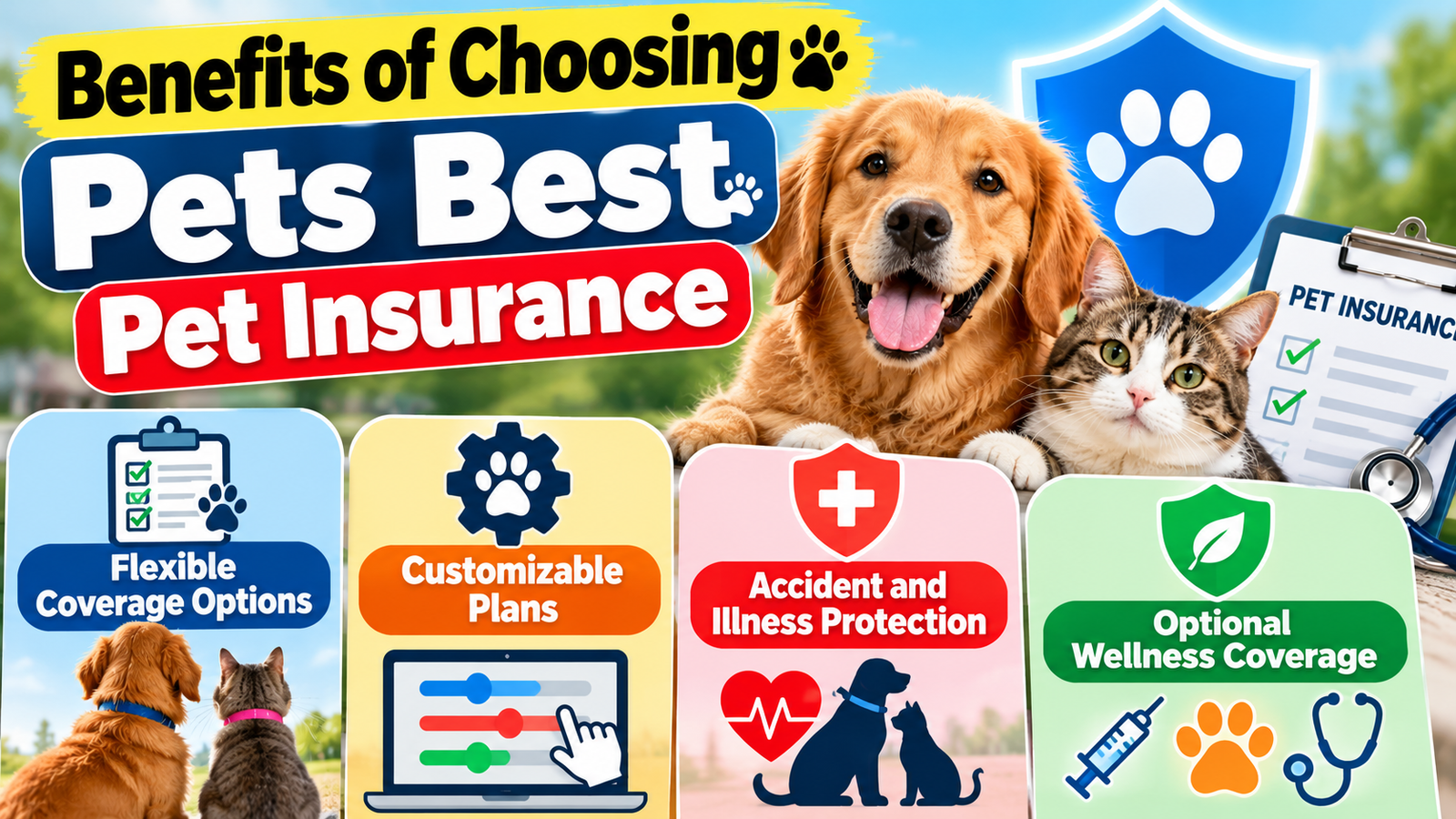
- Flexible Coverage Options: Choose accident-only or accident-and-illness plans based on your pet’s needs and budget.
- Customizable Plans: Select available deductibles, reimbursement rates, and annual coverage limits.
- Accident and Illness Protection: Get help with eligible veterinary expenses for covered injuries, illnesses, diagnostic tests, and treatments.
- Optional Wellness Coverage: Explore additional coverage for eligible routine care, such as wellness exams and vaccinations.
What Does Pets Best Not Cover?
Understanding what is excluded is just as important as knowing the benefits. Pet owners sometimes assume that insurance covers every veterinary visit, but most policies have specific restrictions.
Pets Best generally excludes pre-existing conditions. Standard accident-and-illness coverage also does not automatically cover routine preventive care, elective or cosmetic procedures, grooming, and certain other expenses. Coverage for wellness may be offered on its own for preventive services that qualify.
Other limitations can apply to prescription products, alternative treatments, breeding-related expenses, and particular dental or behavioral services. Coverage is determined by the specific policy and any endorsements that apply.
Before enrolling, ask for the sample policy and look carefully at its exclusions. If your pet already has a history of allergies, joint problems, dental issues, or recurring symptoms, ask how that history could affect future claims. Getting clarity before purchasing can help prevent unexpected expenses later.
Waiting Periods and Pre-Existing Conditions
A waiting period is the time between the policy’s effective date and the point when particular coverage becomes available. If your pet needs treatment during an applicable waiting period, the claim may not be covered.
The length and conditions of waiting periods can vary by policy and location. Check the current policy documents for separate rules that may apply to accidents, illnesses, or specific conditions. Do not assume that every benefit starts on the same day.
Pre-existing conditions require special attention. If your pet had symptoms or a medical diagnosis before coverage began, the insurer may consider related treatment ineligible for reimbursement. Buying insurance earlier, while your pet is healthy, can help reduce the risk of future conditions being classified as pre-existing, although it cannot guarantee coverage for every medical problem.
If your pet has an existing health issue, disclose relevant information accurately and request clarification in writing before purchasing the policy.
How the Claims Process Works
Pets Best generally uses a reimbursement-based process. You visit a licensed veterinarian, pay for eligible treatment, and submit a claim with the required invoice and medical records. The insurer then reviews the claim according to your policy terms. Direct Vet Pay may also be available, subject to its requirements and approval process.
To help avoid unnecessary delays, keep copies of veterinary invoices, treatment notes, diagnostic reports, and prescription records. Check that the documents clearly identify your pet and explain the services provided. Submit all requested information and retain confirmation of your claim.
Customer experiences are mixed. Some reviewers report quick reimbursements and helpful support, while others describe delays, requests for additional records, disputed claims, or premium increases at renewal. These reports are individual experiences rather than a guarantee of how your claim will be handled.
Is Pets Best Pet Insurance Suitable for Your Pet?
Pets Best Pet Insurance may be a suitable option for pet owners who want financial protection against unexpected veterinary expenses. Its different coverage options allow you to choose a plan based on your pet’s health needs, age, and your monthly budget. Dog and cat owners can compare accident-only and accident-and-illness coverage to find a suitable level of protection.
However, the best plan depends on your individual situation. If your pet already has a medical condition, check whether related treatment will be excluded. Comparing policy details before purchasing can help you choose coverage that offers better value for your money.
Factors That Affect Pets Best Pet Insurance Costs
The cost of Pets Best Pet Insurance varies depending on several factors. Understanding these details can help you estimate your monthly expenses and choose a plan that fits your budget.
- Pet’s age: Older pets may have higher insurance premiums.
- Breed: Some breeds may have higher premiums because of differences in health risks.
- Location: Veterinary costs and insurance rates can vary by location.
- Deductible: Choosing a higher deductible may reduce your monthly premium.
- Reimbursement rate: Higher reimbursement percentages may increase the premium.
- Annual coverage limit: The limit you select can affect the overall cost.
Request a personalized quote to understand your actual premium. Remember that the cheapest policy is not always the best choice if it offers insufficient protection for your pet.
How to Get the Most Value from Your Pet Insurance
Getting good value from Pets Best Pet Insurance involves more than choosing a low premium. You should understand the policy and make sure its benefits match your pet’s needs.
First, compare several deductible and reimbursement combinations before enrolling. Next, keep your pet’s veterinary records organized and submit claims with complete documentation. Review your coverage at renewal to ensure that the deductible, annual limit, and premium remain appropriate for your budget.
Pets Best Pet Insurance for Puppies and Kittens
Getting pet insurance when your animal is young can be a practical way to prepare for future veterinary expenses. Puppies and kittens need regular veterinary visits, vaccinations, and preventive care, although these expenses are not necessarily covered by a standard accident-and-illness policy. Pets Best offers optional wellness coverage for eligible routine expenses.
Young pets can also experience unexpected injuries or illnesses while exploring their surroundings. An appropriate insurance policy may help reimburse eligible treatment costs after applicable waiting periods and deductibles. Before enrolling, check the minimum enrollment age, waiting periods, and coverage options available for your pet.
Advantages and Disadvantages of Pets Best
Pets Best has features that may appeal to owners seeking flexible insurance, but it is important to weigh them against the limitations.
Advantages | Disadvantages |
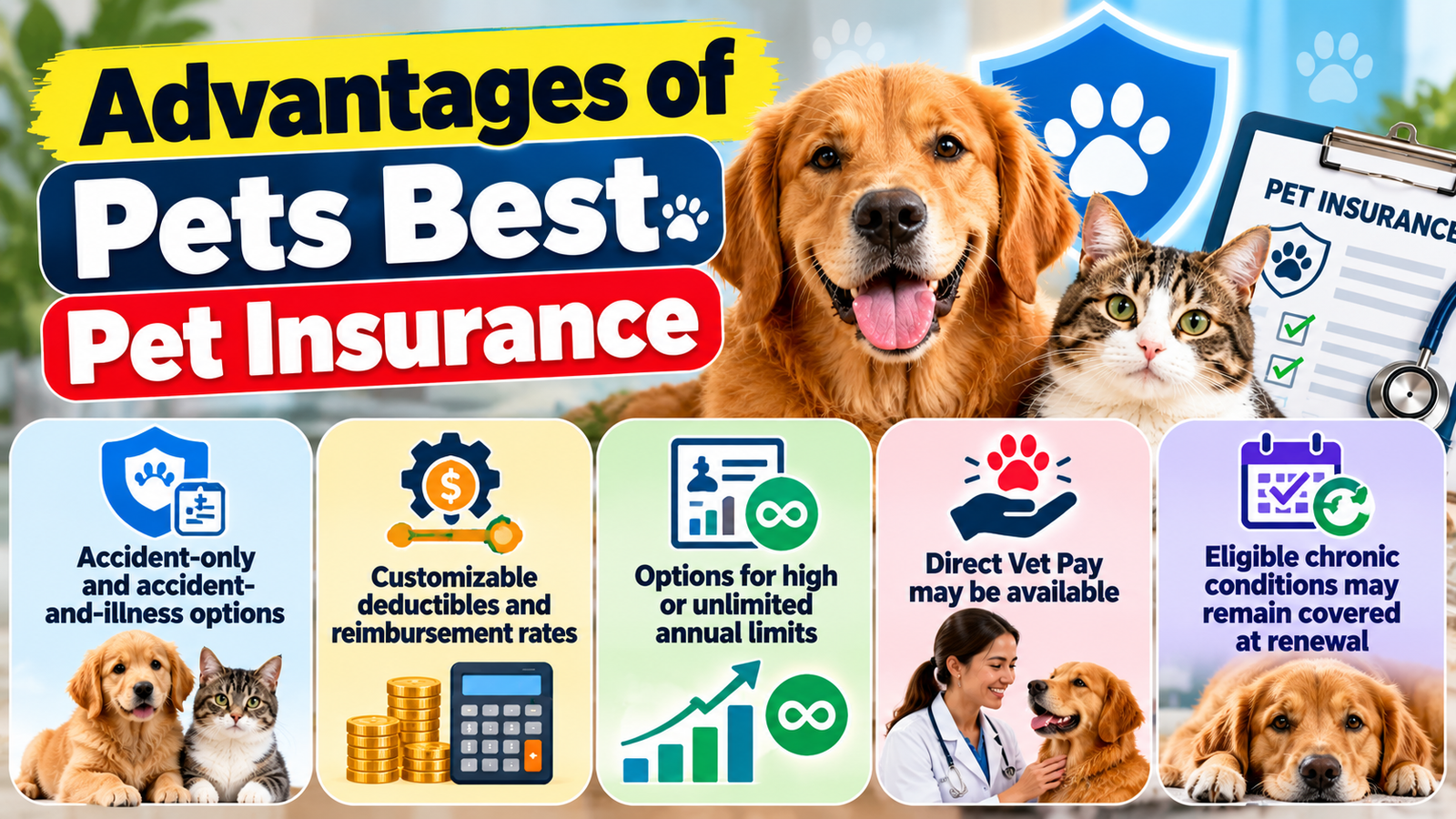
Accident-only and accident-and-illness options | Pre-existing conditions are excluded |
Customizable deductibles and reimbursement rates | Routine care may require an additional plan |
Options for high or unlimited annual limits | Premiums may rise at renewal |
Direct Vet Pay may be available | Claims may require additional documentation |
Eligible chronic conditions may remain covered at renewal | Policy exclusions and benefit limits still apply |
The biggest advantage is flexibility. You can select coverage that fits your budget and risk tolerance rather than automatically choosing the most expensive plan. The availability of direct payment may also help some owners manage large veterinary expenses, although eligibility requirements apply.
The main drawbacks are the exclusions, the potential for rising premiums, and the need to understand the claims process. A plan with a low starting price is not necessarily the best value if it excludes a benefit your pet is likely to need.
Pets Best Pet Insurance for Senior Pets
Older pets may require more frequent veterinary visits, diagnostic testing, and treatment for chronic health conditions. Pet insurance can help manage certain eligible expenses, but finding the right policy requires careful consideration of your pet’s medical history.
Before purchasing Pets Best Pet Insurance for a senior dog or cat, ask for a quote and review the policy’s exclusions. Conditions that existed before coverage began are generally excluded, so existing health problems may not qualify for reimbursement. Compare the premium with the benefits offered to determine whether the policy makes financial sense for your situation.
Common Mistakes to Avoid When Buying Pet Insurance
Choosing pet insurance without comparing policy details can lead to disappointment when you submit a claim. Avoid these common mistakes before purchasing Pets Best Pet Insurance.
- Choosing only by price: A low premium may come with a higher deductible or more limited coverage.
- Ignoring exclusions: Some medical conditions and treatments may not qualify for reimbursement.
- Overlooking waiting periods: Coverage may not begin immediately for every condition.
- Misunderstanding reimbursement: Insurance generally does not mean every veterinary bill will be paid in full.
- Forgetting renewal costs: Premiums may change over time.
- Skipping policy documents: Marketing descriptions may not explain every limitation.
Taking time to understand these details can help you choose a plan that offers suitable financial protection.
Also Read
Top Reasons to Consider Frey When Comparing Popular Brands
Top Reasons to Explore Rachael Ray Cookware and Kitchen Accessories
Everything You Need to Know About Breeze Before Choosing It
Essential Features to Consider When Choosing MH Themes
How Drop Can Simplify Everyday Tasks and Improve Efficiency
Does Pets Best Pet Insurance Cover Prescription Medications?
Prescription medication coverage depends on the policy and the reason the medication is prescribed. Certain medications used to treat eligible covered accidents or illnesses may qualify for reimbursement, subject to policy terms.
However, not every medication or supplement is automatically covered. Some products may be excluded, and prescriptions associated with pre-existing conditions may not qualify. If your pet needs ongoing medication, check the policy wording and ask Pets Best whether the specific type of treatment is eligible before buying.
Tips for Managing Your Pet Insurance Budget
Pet insurance should provide useful protection without creating unnecessary financial pressure. Start by deciding how much you can comfortably spend each month and how much you could afford to pay toward an unexpected veterinary bill.
Consider different deductible and reimbursement combinations to understand how the premium changes. A higher deductible may lower the premium, but it also means you will pay more before reimbursement applies. Make sure you can afford that deductible if an emergency occurs.
Tips for Choosing the Right Policy
Start by considering your pet’s age, breed, health history, and lifestyle. An active dog that spends a lot of time outdoors may have different injury risks from an indoor cat. Older pets may have greater medical needs, while their existing conditions could limit the protection available from a new policy.
Next, decide how much you could afford to pay unexpectedly. If a large veterinary bill would create financial hardship, you may prefer a lower deductible, a higher reimbursement rate, or a larger annual limit, provided the premium fits your budget.
Request quotes for several combinations rather than comparing only the monthly price. Check whether exam fees, prescription medications, rehabilitation, dental illnesses, and hereditary conditions are included or require additional coverage.
Conclusion
Pets Best Pet Insurance can be worth considering if you want flexible protection against unexpected veterinary expenses. Its accident-and-illness plans, customizable coverage options, and potential direct vet payment feature offer useful benefits for many dog and cat owners.
However, the right choice depends on your pet’s health, your budget, and the policy’s specific terms. Pre-existing conditions, waiting periods, coverage exclusions, and possible premium increases deserve careful attention.
Before buying, compare at least two or three insurance providers, request personalized quotes, and read the full policy. The best plan is not necessarily the cheapest one; it is the one that provides suitable protection at a price you can afford.
Frequently Asked Questions
It may be worthwhile if you want financial protection against eligible accidents and illnesses. Compare its coverage, exclusions, premium, and reimbursement options with other providers before deciding.
Generally, no. Conditions that existed before coverage began are typically excluded. Review the policy and disclose your pet's medical history before enrolling.
Routine care is generally excluded from standard accident-and-illness coverage. Optional wellness plans may reimburse eligible expenses such as vaccinations, wellness exams, and certain preventive services.
You typically pay the veterinarian, submit a claim with the required documentation, and receive reimbursement for eligible expenses according to your deductible, reimbursement rate, and policy limits. Direct Vet Pay may also be available under applicable conditions.
Yes, premiums may change at renewal. Rates can depend on factors such as your pet's age, breed, location, and selected coverage. Ask about renewal pricing and review your policy before purchasing.
Table of Contents
Related Post


The Ultimate Guide to Choosing the Best Anolon Cookware for Your Kitchen
admin
October 18, 2026
Read More »

Comparing Popular IQAir Air Purifiers for Different Home Environments
admin
October 17, 2026
Read More »

Top Reasons to Explore Rachael Ray Cookware and Kitchen Accessories
admin
October 16, 2026
Read More »
What Makes Waterdrop (US) Different? A Guide to Its Products and Benefits
admin
October 16, 2026
Read More »