

Comparexpert
Comparison Between Company


How Ivacy VPN Protects Your Data from Online Threats

The internet is becoming a necessary component of everyday life. We shop online, transfer money, communicate with family, work remotely, and store sensitive information in cloud-based applications. While these conveniences make life easier, they also expose users to an increasing number of cyber threats. Hackers, advertisers, identity thieves, and even internet service providers continuously collect and analyze user data. Every click, search query, and online transaction leaves a digital footprint that can potentially be exploited.
This is where a Virtual Private Network (VPN) becomes a valuable security tool. Ivacy VPN is designed to create a secure and private online environment by encrypting internet traffic and hiding a user’s real identity online. With thousands of servers across multiple countries, advanced encryption standards, and privacy-focused features, Ivacy VPN helps users defend themselves against a variety of online threats. According to Ivacy’s official platform, users can access thousands of servers worldwide while benefiting from enhanced online privacy and security features.
Table of Contents
Understanding Modern Online Threats
The Growing Risk of Cybercrime
Over the past ten years, cybercrime has changed significantly. Attackers no longer focus solely on large corporations; everyday internet users have become prime targets. Data breaches, phishing scams, ransomware attacks, and identity theft incidents continue to rise worldwide. Cybercriminals often seek personal information such as email addresses, passwords, banking details, and browsing habits because this information can be sold or exploited for financial gain.
One reason cybercrime is growing is the increasing number of connected devices. Smartphones, tablets, laptops, smart TVs, and IoT devices all communicate online, creating additional opportunities for attackers. A single unsecured connection can become an entry point for malicious actors. Public Wi-Fi networks, in particular, present significant vulnerabilities because attackers can intercept data traveling across unsecured connections.
The challenge for most users is that online threats are often invisible. You may not realize that someone is monitoring your connection or collecting information about your browsing habits. A VPN acts as a protective layer between your device and the internet, helping shield your information from unauthorized access.
Why Personal Data Is Valuable to Attackers
Personal data has become one of the most valuable commodities in the digital economy. Information such as login credentials, credit card numbers, shopping habits, and location data can be used for fraud, targeted scams, or unauthorized surveillance. Even seemingly harmless information can be combined to create detailed user profiles.
Many websites and advertising networks track user behavior across the internet. While some tracking is used for marketing purposes, excessive data collection raises serious privacy concerns. Attackers and data brokers often exploit these digital footprints to create comprehensive profiles of individuals.
Protecting personal information is no longer just about avoiding hackers. It’s also about maintaining control over who can access, analyze, and profit from your online activities. Ivacy VPN addresses these concerns by encrypting internet traffic and helping users browse more privately.
What Is Ivacy VPN?
Overview of Ivacy VPN
Ivacy VPN is a virtual private network service that focuses on privacy, security, and unrestricted internet access. The service has built a reputation for providing encrypted connections that help protect users from cyber threats while allowing them to browse the internet anonymously. Ivacy has also transitioned into an enhanced platform powered by PureVPN, bringing additional security capabilities and broader protection tools.
One of the key goals of Ivacy VPN is to create a secure connection between the user’s device and the internet. Instead of sending data directly through an internet service provider, the VPN routes traffic through encrypted tunnels and secure servers. This process helps prevent unauthorized parties from viewing or intercepting information.
The platform supports multiple devices and operating systems, making it suitable for individuals, families, remote workers, and frequent travelers who require secure internet access.
Global Server Network and Accessibility
A strong VPN relies on a robust server network. Ivacy operates thousands of servers across numerous countries, giving users flexibility when selecting virtual locations. Reports indicate that the service offers more than 5,700 servers across over 70 countries, helping users maintain stable and secure connections worldwide.
This extensive network serves two important purposes. First, it improves privacy by allowing users to route traffic through different regions. Second, it helps maintain performance by reducing congestion and providing access to nearby servers.
How VPN Technology Works
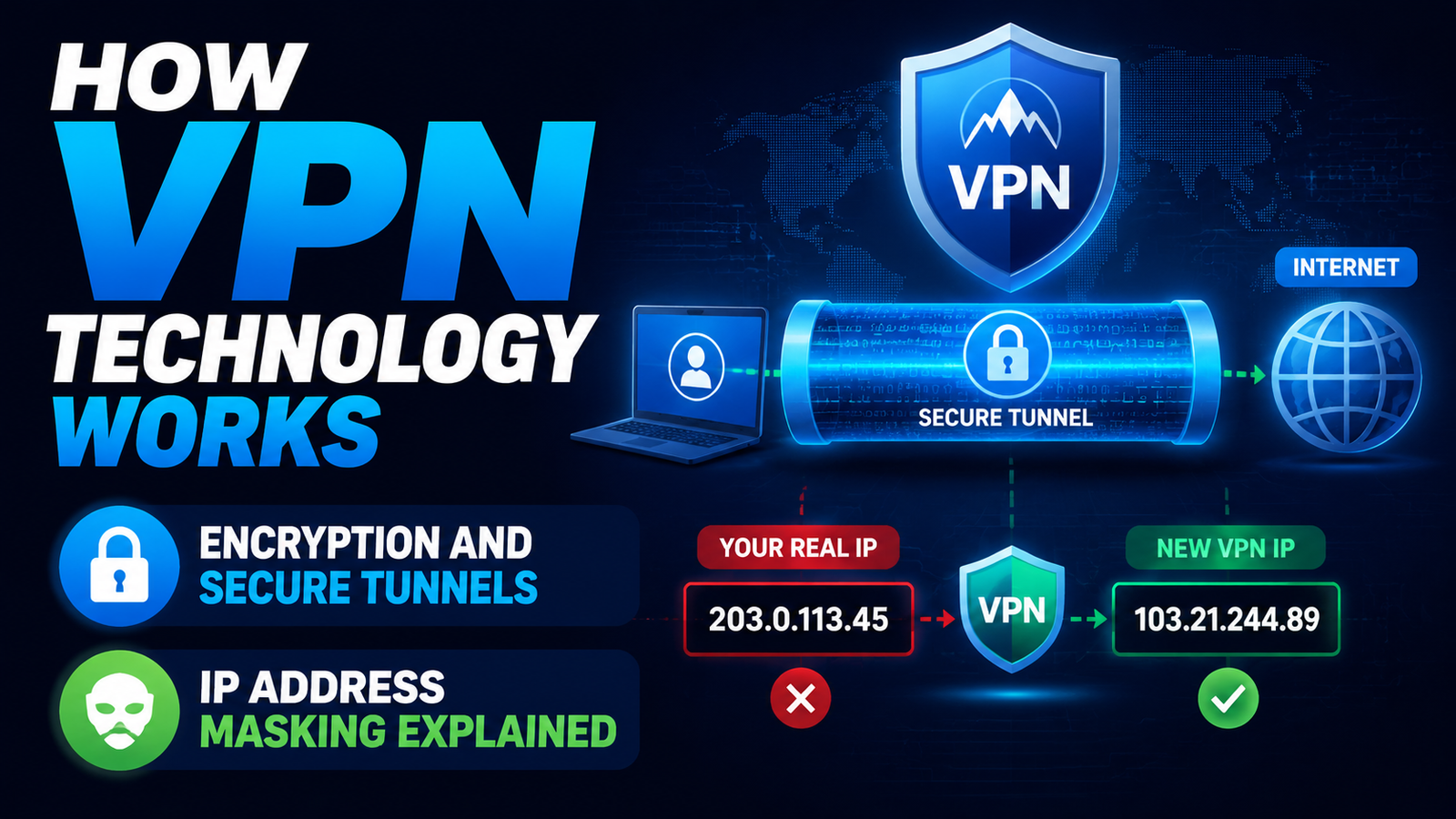
Encryption and Secure Tunnels
At its core, a VPN creates an encrypted tunnel between a user’s device and a VPN server. Imagine placing your internet traffic inside a locked armored vehicle before sending it across a busy highway. Even if someone intercepts the vehicle, they cannot easily access its contents.
Encryption converts readable data into coded information that can only be decrypted with the correct keys. Ivacy VPN utilizes modern encryption technologies, including AES-256 encryption, which is widely recognized as an industry standard for securing digital communications.
This encrypted tunnel protects sensitive information such as:
- Login credentials
- Credit card information
- Emails and messages
- Online banking sessions
- Business communications
Without encryption, attackers on the same network could potentially intercept and read this data.
IP Address Masking Explained
Every internet-connected device has an IP address that can reveal information about location and network identity. Websites, advertisers, and trackers often use IP addresses to monitor user behavior.
Ivacy VPN masks a user’s real IP address by replacing it with the IP address of a VPN server. This process makes it much harder for websites and third parties to identify a user’s actual location or track browsing activities across the web.
AES-256 Encryption and Data Protection
Why AES-256 Is Considered Secure
AES-256 encryption is often referred to as the gold standard in data security. Governments, financial institutions, and cybersecurity organizations use this encryption method because of its exceptional resistance to brute-force attacks.
Ivacy VPN incorporates AES-256 encryption into its security architecture, ensuring that transmitted data remains highly protected from unauthorized access. Security reviewers and independent analyses consistently highlight AES-256 encryption as one of Ivacy’s core privacy strengths.
Security Feature | Benefit |
AES-256 Encryption | Protects data from interception |
Secure VPN Tunnel | Shields internet traffic |
IP Masking | Hides user identity |
Modern Protocols | Improves security and performance |
The practical advantage of AES-256 encryption is simple: even if someone manages to intercept encrypted traffic, deciphering it would be extremely difficult without the proper encryption keys.
Protection Against Public Wi-Fi Risks
Securing Connections in Cafes, Airports, and Hotels
Public Wi-Fi networks are convenient, but they are also among the most dangerous environments for online activity. Hackers frequently target these networks because many users connect without considering security risks.
When using public Wi-Fi, attackers may launch man-in-the-middle attacks, create fake hotspots, or intercept unencrypted traffic. This can expose passwords, banking information, and personal messages.
Ivacy VPN addresses this issue by encrypting all internet traffic before it leaves the device. Reviews and software analyses specifically note that Ivacy’s encryption system is particularly useful when connected to public Wi-Fi networks where security vulnerabilities are common.
For travelers, remote workers, and students, this added layer of protection can significantly reduce the risk of data theft while using shared internet connections.
No-Logs Policy and User Privacy
What a No-Logs Policy Means
Privacy-conscious users often worry about what happens to their browsing data after it passes through a VPN provider. A no-logs policy means that the VPN does not store records of browsing activities, connection history, or online behavior.
Independent reviews of Ivacy VPN indicate that the company maintains a no-logs approach, meaning it does not retain browsing history, traffic logs, assigned VPN IP addresses, DNS queries, or connection records.
This policy is important because it reduces the amount of information that could potentially be exposed if records were ever requested or compromised.
How It Benefits Everyday Users
A no-logs policy benefits users in several ways. It enhances privacy, reduces digital footprints, and provides greater confidence that online activities remain confidential. Whether someone is conducting business research, accessing personal accounts, or simply browsing the web, knowing that browsing data is not being stored offers peace of mind.
Privacy isn’t just for cybersecurity experts. It is increasingly becoming a necessity for everyday internet users who value control over their personal information.
Defense Against Tracking and Surveillance
Preventing ISP Monitoring
Internet Service Providers can often see a significant portion of user online activity. In some regions, this information may be logged, analyzed, or shared according to local regulations.
By encrypting traffic, Ivacy VPN makes it much more difficult for ISPs to monitor browsing behavior. While the ISP can see that a VPN connection exists, it cannot easily view the contents of encrypted traffic.
Reducing Online Tracking
Advertisers and tracking networks rely heavily on identifying users through IP addresses, cookies, and behavioral patterns. While a VPN does not eliminate all tracking technologies, it significantly reduces the visibility of a user’s true network identity.
This added anonymity helps limit targeted profiling and contributes to a more private browsing experience.
The Importance of Multi-Device Security
In today’s world, people access the internet from multiple devices: laptops, smartphones, tablets, and even smart TVs. Each device represents a potential point of vulnerability. Ivacy VPN supports multiple platforms and devices simultaneously, ensuring all your connected devices are protected. This is especially important for families or professionals who work remotely and need a consistent level of security across devices. By using a VPN across all devices, you reduce the chances of data leakage or unauthorized access.
VPN Protocols and Why They Matter
Ivacy VPN uses multiple security protocols like OpenVPN, IKEv2, and L2TP/IPSec. Each protocol has its advantages, whether it’s faster connection speeds, better encryption, or improved stability on mobile networks. Understanding these protocols allows users to choose the best option based on their needs. For instance, OpenVPN is excellent for high-security needs, while IKEv2 offers speed and stability on mobile networks. This flexibility ensures your online experience is both secure and optimized for performance.
Advanced Security Features
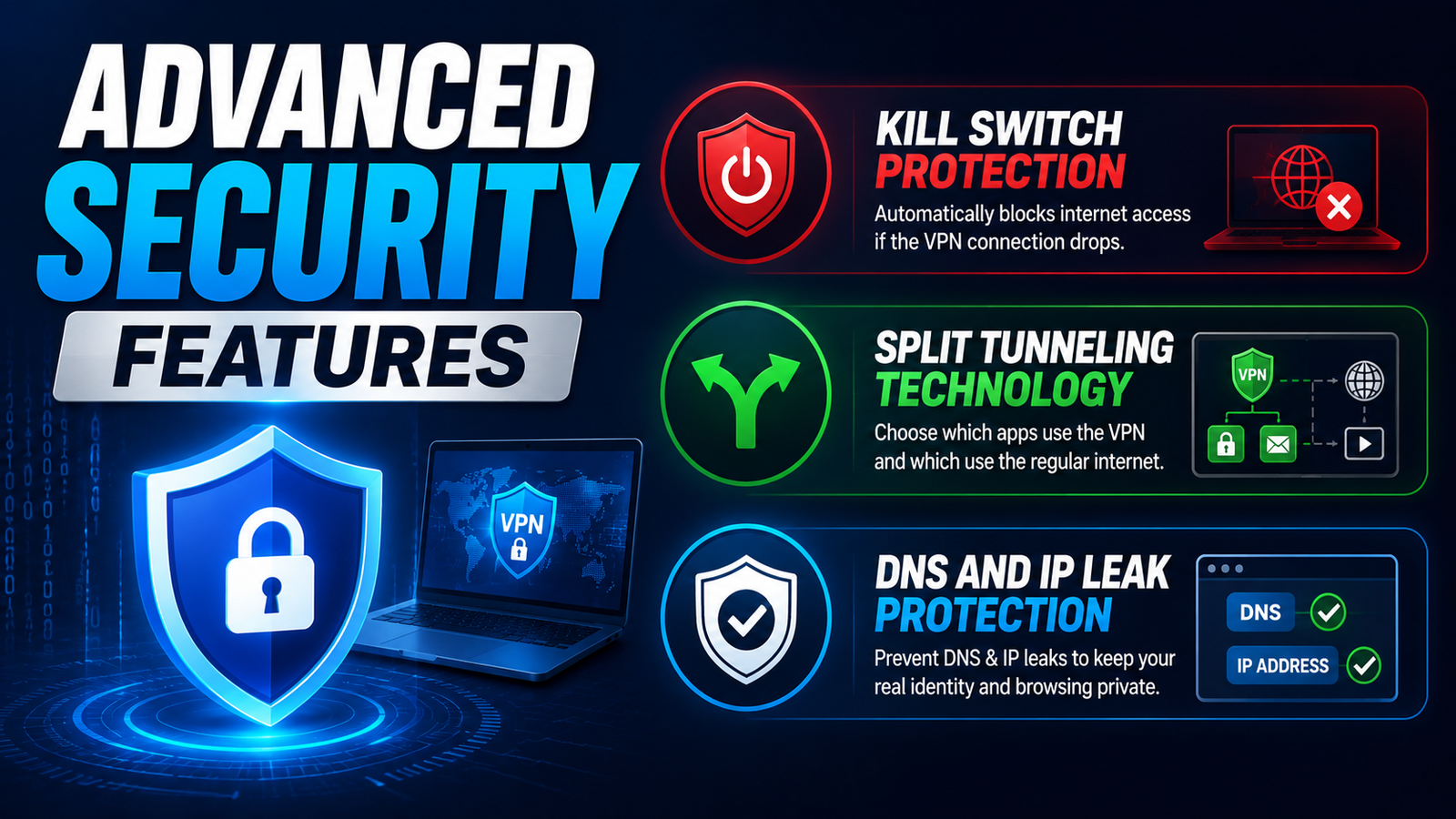
Kill Switch Protection
A VPN connection can occasionally drop due to network instability or server issues. If this happens without protection, the device may automatically reconnect through the regular internet connection, exposing the user’s real IP address.
Ivacy VPN includes a Kill Switch feature on supported platforms. This feature automatically blocks internet access if the VPN connection unexpectedly disconnects, preventing accidental data exposure.
Split Tunneling Technology
Split tunneling allows users to choose which applications use the VPN and which connect directly to the internet. Ivacy is widely recognized for implementing split tunneling technology, giving users greater control over network traffic.
For example, users can route sensitive work applications through the VPN while allowing streaming or gaming traffic to use a standard connection.
DNS and IP Leak Protection
Even when using a VPN, DNS leaks and IP leaks can reveal user information. Ivacy includes leak protection measures designed to prevent accidental exposure of browsing requests and real IP addresses. Security reviews also mention IPv6 leak protection as part of the service’s security offering.
How Ivacy VPN Helps Bypass Geo-Restrictions
One of the hidden threats online is the restriction of content based on your location. Certain streaming platforms, websites, and services block access depending on your region. While this is not a direct security threat, it does affect user freedom and privacy. Ivacy VPN helps bypass geo-restrictions by allowing you to connect to servers in different countries, making it appear as if you’re browsing from that location. This not only helps access global content safely but also prevents local ISPs from tracking your activity.
Protecting Sensitive Financial Transactions
Online banking and payment platforms are frequent targets for hackers. Every time you use public Wi-Fi or an unsecured network, your financial data is at risk. Ivacy VPN encrypts all your transactions, making it nearly impossible for hackers to intercept sensitive information like credit card numbers, passwords, and account details. This level of protection is crucial for people who manage their finances online or run e-commerce businesses.
Also Read
Why Gaia Herbs Is a Trusted Name in Natural Wellness Products
Curated Crowd Review 2026: Is This Influencer Marketing Platform Worth It?
Big Bus Tours Review 2026: Best Hop-On Hop-Off City Experience?
Why Players Prefer (PSL) Prime Slots for Online Entertainment
HelloFresh – US Groceries Review 2026: Is It Worth the Subscription?
Cybersecurity for Remote Workers
The rise of remote work has expanded the attack surface for cybercriminals. Employees often access company resources from personal devices or home networks that may not have enterprise-level security. Ivacy VPN provides a secure tunnel for remote employees, ensuring corporate data is encrypted and safe from interception. Businesses can encourage VPN usage to protect internal communications, sensitive files, and client information, mitigating the risk of data breaches.
Ivacy VPN for Streaming, Remote Work, and Daily Browsing
Modern VPNs must do more than simply provide security. They must also support real-world use cases without causing major disruptions. Ivacy VPN supports streaming, remote work, online communication, and everyday browsing activities. Reviews note compatibility with major streaming platforms while maintaining privacy protections.
For remote workers, secure access to company resources is critical. VPN encryption helps protect sensitive business communications and confidential documents when working outside traditional office environments. For travelers, VPN protection adds security when connecting from hotels, airports, and public networks.
The result is a versatile security solution that balances privacy, convenience, and accessibility.
Comparing Ivacy VPN Security Features
Feature | Ivacy VPN Protection |
AES-256 Encryption | Yes |
No-Logs Policy | Yes |
Kill Switch | Yes (supported platforms) |
Split Tunneling | Yes |
DNS Leak Protection | Yes |
IP Leak Protection | Yes |
Public Wi-Fi Security | Yes |
Multiple VPN Protocols | Yes |
Global Server Network | 5,700+ Servers |
Device Support | Multiple Platforms |
Data compiled from Ivacy documentation and independent VPN reviews.
Conclusion
Online threats continue to evolve, making digital privacy and security more important than ever. From hackers targeting public Wi-Fi users to advertisers tracking browsing behavior and cybercriminals attempting identity theft, the risks facing internet users are significant. A VPN serves as an essential layer of protection, helping secure personal information and reduce exposure to these threats.
Ivacy VPN protects user data through a combination of AES-256 encryption, secure VPN tunnels, IP masking, leak protection, split tunneling, and a no-logs policy. Its extensive server network and support for modern security protocols further strengthen its ability to safeguard online activities. Whether you’re working remotely, shopping online, streaming content, or simply browsing the web, Ivacy VPN provides tools designed to improve privacy and reduce vulnerability to cyber threats.
Frequently Asked Questions
Yes. Ivacy VPN uses AES-256 encryption, secure VPN protocols, IP masking, and privacy-focused features to help protect user data.
According to published privacy information and independent reviews, Ivacy VPN follows a no-logs policy and does not store browsing history, connection logs, or DNS queries.
Yes. Ivacy encrypts internet traffic, making it significantly harder for attackers on public networks to intercept sensitive information.
Split tunneling allows users to decide which apps use the VPN connection and which use the regular internet connection.
Yes. Ivacy VPN masks your real IP address by routing traffic through VPN servers, helping improve privacy and reduce tracking.
Table of Contents
Related Post

Finding Student Housing and Communities With Erasmusu: A Practical Guide
admin
September 19, 2026
Read More »

What Travelers Should Know About Iberostar (closed) and Its Hotel History
admin
September 18, 2026
Read More »

Planning a European Trip? Discover the Benefits of Direct Ferries
admin
September 17, 2026
Read More »

What Makes Der Gepflegte Mann a Notable Name in Men’s Personal Care
admin
September 16, 2026
Read More »