

Comparexpert
Comparison Between Company


The Secrets to Building a Successful Legacy That Stands the Test of Time

Discover the secrets to building a lasting Legacy through strong values, meaningful relationships, effective leadership, and positive contributions to society. Learn how to turn your life experiences into valuable lessons, inspire future generations, and create an impact that stands the test of time.
Table of Contents
Understanding What a Lasting Legacy Really Means
A successful legacy is not just about wealth, fame, or professional achievements. It is about the positive influence you leave on people, communities, and future generations. Some people are remembered for their leadership, while others are admired for their kindness, honesty, or commitment to helping others. The strongest legacies often grow from ordinary actions repeated consistently over many years.
Think about the people who have inspired you. Perhaps a teacher helped you believe in yourself, a family member taught you the value of hard work, or a community leader motivated others to create change. Their influence may continue long after the original moment has passed. Research on legacy creation also highlights the importance of sharing personal values, life lessons, and meaningful experiences with others.
To build your own lasting legacy, start by asking yourself a simple question: What do I want people to remember about me? Your answer can help you identify the kind of person you want to become and the impact you want to create.
Discovering Your Core Values and Purpose
The values you hold form the basis of the legacy you leave behind. They influence your decisions, relationships, and response to difficult situations. Values such as honesty, responsibility, compassion, courage, and fairness can guide you when life becomes complicated. Without a clear purpose, it is easy to spend years chasing goals that look impressive but do not bring lasting satisfaction.
Start by identifying three to five values that matter most to you. Consider what motivates you, what problems you want to solve, and what principles you would never want to compromise. For example, if education is important to you, your purpose might involve helping students gain knowledge and confidence. If you value community development, you might focus on supporting local initiatives or creating opportunities for others.
Your purpose does not need to be extraordinary from the beginning. It can develop through experience, learning, and reflection. The key is to connect your everyday decisions with something meaningful. When your actions reflect your values, you build a reputation that people can trust.
Turning Your Values Into Daily Actions
Having good values is important, but living by them is what makes a difference. People notice how you behave when nobody is watching, how you treat those who cannot help you, and whether you keep your promises when circumstances become difficult. These small moments gradually shape your character and influence how others remember you.
For example, a person who values honesty should communicate truthfully, accept mistakes, and take responsibility for their decisions. Someone who values kindness can support a struggling colleague, listen carefully to a friend, or volunteer time for a worthwhile cause. These actions may appear small, but they can create a ripple effect as others begin treating people with similar respect.
Try choosing one value each week and finding practical ways to demonstrate it. Over time, these habits can become part of your identity. A lasting legacy is built through consistent behavior, not occasional grand gestures.
Building Meaningful Relationships
Relationships are among the most valuable parts of a person’s legacy. Professional success and financial achievements may attract attention, but genuine relationships create lasting emotional connections. The people around you often remember whether you supported them, listened to their concerns, encouraged their dreams, and treated them with respect.
Building strong relationships requires time and effort. Make space for family conversations, maintain friendships, appreciate colleagues, and show interest in other people’s experiences. When disagreements occur, focus on understanding rather than winning. Say sorry when you should, forgive when it makes sense, and don’t let pride ruin the relationships that truly matter.
You can also build relationships by helping others succeed. Share opportunities, offer guidance, and celebrate their achievements without feeling threatened by their progress. When people feel valued in your presence, they are more likely to remember your influence positively.
Remember that meaningful relationships are not measured by the number of people you know. They are measured by the trust, care, and mutual respect you develop over time. A legacy of strong relationships can continue through families, friendships, workplaces, and communities for generations.
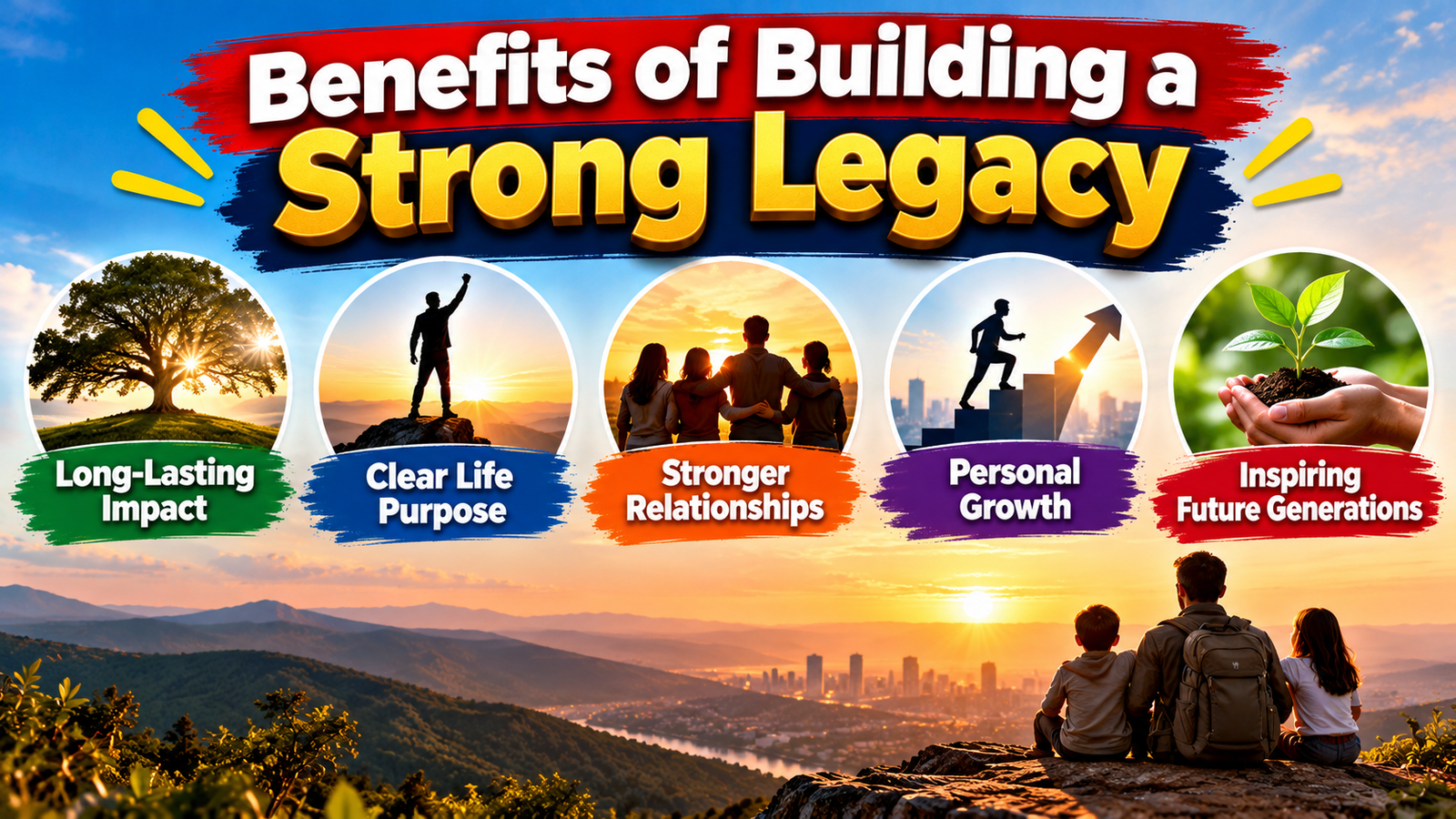
Benefits of Building a Strong Legacy
- Long-Lasting Impact: Create a positive influence that continues to benefit others for generations.
- Clear Life Purpose: Identify your values and goals to live a more meaningful life.
- Stronger Relationships: Build trust, respect, and lasting connections with family, friends, and colleagues.
- Personal Growth: Develop leadership, responsibility, and valuable life skills.
- Inspiring Future Generations: Motivate others through your achievements, experiences, and values.
Developing Leadership and Inspiring Others
Leadership is not limited to people who manage companies or hold important positions. Anyone can demonstrate leadership by taking responsibility, solving problems, and helping others move toward a common goal. A strong leader does not simply give instructions; they set an example that encourages others to act with confidence and integrity.
To develop leadership skills, learn to communicate clearly, listen to different opinions, and make thoughtful decisions. Be willing to accept feedback instead of assuming you are always right. When mistakes happen, acknowledge them and focus on solutions. These behaviors help build trust and show others that leadership is about responsibility rather than authority.
Another important part of leadership is developing future leaders. Share your experience with younger colleagues, mentor students, and give people opportunities to make decisions. Instead of creating a system that depends entirely on you, build a team that can continue succeeding without your constant involvement.
A leadership legacy becomes stronger when others carry forward the positive principles they learned from you. Your greatest achievement may not be what you accomplish alone, but what others become capable of achieving because you supported them.
Creating a Legacy Through Knowledge and Education
Knowledge becomes more valuable when it is shared. Your professional experience, personal lessons, and practical skills can help others avoid mistakes and discover new opportunities. Education is therefore one of the most effective ways to build a legacy that reaches beyond your immediate circle.
You can share knowledge in many ways. Teach students, mentor beginners, document useful processes, write articles, or create learning resources. Even explaining a difficult concept to a colleague can make a meaningful difference. You do not need to be a famous expert to help someone learn something valuable.
Consider documenting important lessons from your own life. Write about challenges you faced, decisions that helped you grow, and mistakes that taught you something important. These records can become useful resources for your family, team, or community.
Making a Positive Impact on Society
A meaningful legacy extends beyond personal success. It also considers how your actions affect the people and environment around you. You can contribute to society through volunteering, supporting education, helping vulnerable communities, promoting responsible business practices, or participating in local improvement projects.
Start with an issue that genuinely matters to you. If you care about education, support learning opportunities for students who need them. If you are concerned about the environment, reduce waste and participate in local conservation efforts. If you want to improve employment opportunities, help people develop practical skills or connect them with useful resources.
You do not need a large budget to make a difference. Giving your time, sharing your skills, or helping someone access an opportunity can be valuable. What matters is understanding the needs of the people you want to support and choosing actions that provide real benefits.
How to Measure the Success of Your Legacy
Measuring a Legacy involves looking beyond money, awards, or professional achievements. True success can also be seen in the people you have helped, the knowledge you have shared, and the positive changes you have created. Ask yourself whether your actions have improved someone’s life, encouraged personal growth, or helped build a stronger community. These outcomes can reveal the real value of your contributions.
You can evaluate your progress by reviewing your goals, seeking honest feedback, and reflecting on the relationships you have developed. For example, a teacher may measure their Legacy through students who become confident learners, while a business owner may consider the opportunities created for employees and customers. The most meaningful measures are connected to your personal values and purpose. By reviewing your impact regularly, you can identify areas for improvement and make your Legacy more meaningful over time.
The Importance of Integrity and Trust
Integrity is the foundation of a Legacy that people can respect for years to come. It means doing the right thing even when it is difficult, being honest about mistakes, and treating people fairly regardless of their position or influence. While success may bring attention, integrity helps build the trust that makes that success meaningful.
Trust develops through everyday decisions. Keeping commitments, communicating honestly, respecting others, and accepting responsibility can strengthen your reputation. On the other hand, repeatedly ignoring your values for personal gain can damage relationships and weaken the influence you hope to leave behind. When your actions reflect your principles, people have a stronger reason to believe in your leadership and intentions.
Using Technology to Preserve Your Legacy
Technology provides new ways to preserve personal experiences, professional knowledge, and family history. Digital photographs, videos, blogs, podcasts, and personal websites can help you document important lessons and share them with a wider audience. These tools allow your ideas to reach people who may never meet you personally.
For example, you could create a blog that shares lessons from your professional journey, record stories about your family’s history, or publish educational resources that help others develop useful skills. A digital collection can also preserve important memories and achievements for future generations. However, it is important to organize your files, protect sensitive information, and maintain backups so valuable content is not easily lost.
Creating a Legacy Through Mentorship
Mentorship is a powerful way to build a Legacy because it allows you to share experience and help others grow. A mentor offers guidance, encouragement, and practical advice to someone who is developing their skills or navigating an unfamiliar challenge. This support can help people make better decisions, build confidence, and discover opportunities they might otherwise overlook.
You do not need to be a senior executive or a famous professional to become a mentor. You can guide a student, support a new employee, teach a useful skill, or help a young person prepare for future responsibilities. The key is to listen carefully, share lessons honestly, and encourage others to think independently rather than simply follow your instructions.
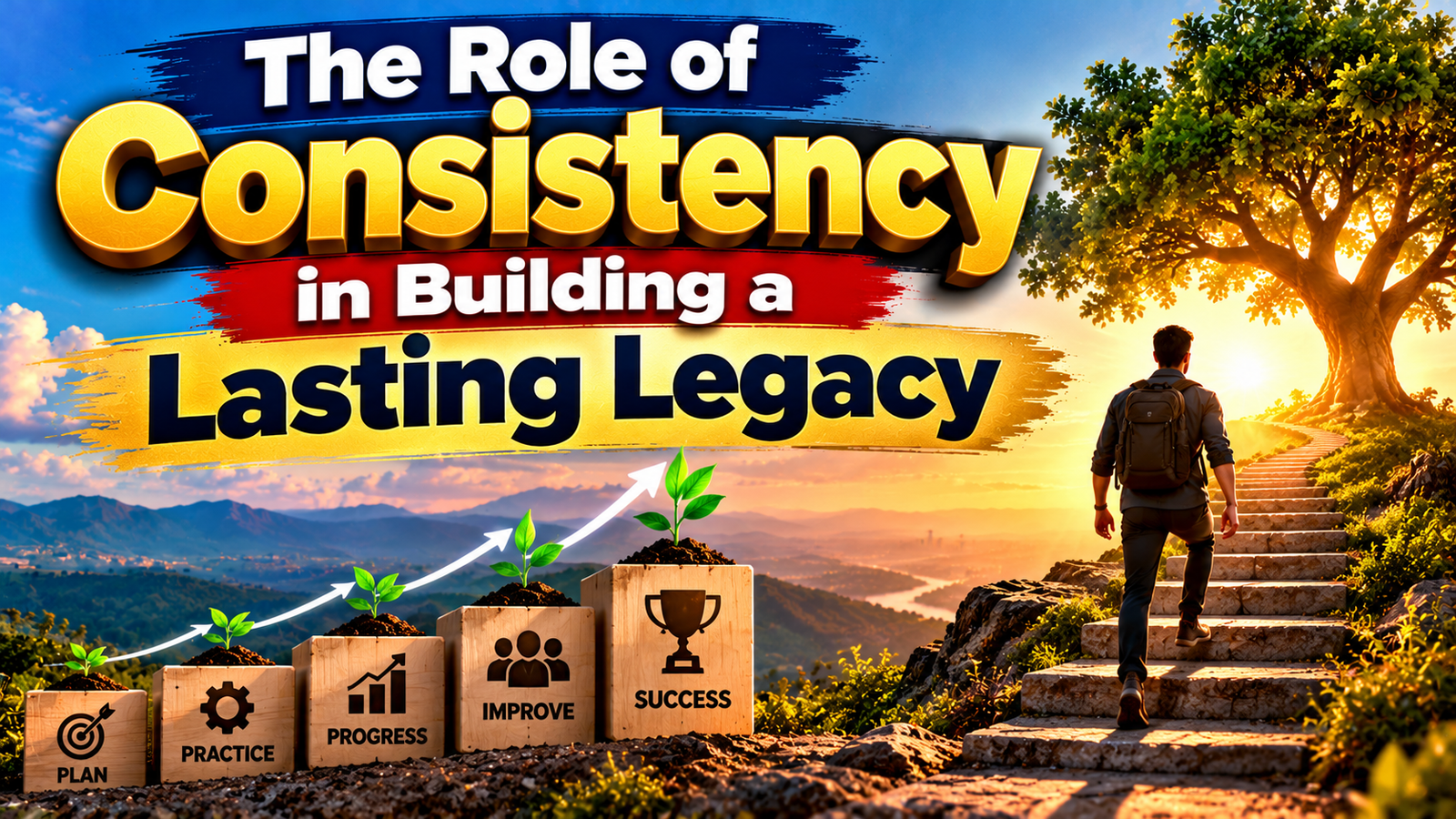
The Role of Consistency in Building a Lasting Legacy
Consistency is one of the most important factors in building a successful Legacy. Great achievements rarely happen overnight; they develop through small, meaningful actions repeated over time. Whether you want to inspire others, grow a business, support your family, or contribute to society, staying committed to your values helps you create a lasting impact. Even simple habits, such as keeping promises, helping others, and continuously improving your skills, can strengthen your reputation.
A consistent approach also builds trust. People are more likely to respect someone whose actions match their words. Instead of focusing only on short-term success, concentrate on making steady progress toward your long-term goals. Over time, these efforts can create a Legacy that reflects reliability, integrity, and dedication.
Building a Legacy That Reflects Your Personal Goals
Every person has a different idea of success, so there is no single formula for creating a meaningful Legacy. Some people want to strengthen their family relationships, while others hope to improve education, build a responsible business, or support social causes. Defining your own goals helps you focus your time and energy on what matters most.
Start by identifying the contribution you want to make and the people you hope to benefit. Break your long-term vision into realistic steps, set milestones, and review your progress regularly. You may need to adjust your plans as your responsibilities and priorities change, but your core purpose can continue guiding your decisions.
Building Financial and Professional Stability
Although a legacy is much more than money, financial and professional stability can help you support your goals and protect the people who depend on you. Good financial habits provide greater flexibility when unexpected challenges arise and make it easier to contribute to causes you care about.
Begin with practical steps: manage spending, build emergency savings, understand your debts, and plan for long-term needs. Invest in your skills and continue learning as your profession changes. Financial decisions should reflect your circumstances, responsibilities, and risk tolerance rather than pressure to imitate someone else’s success.
If you own a business or manage a team, think about how your work can remain successful in the future. Develop reliable processes, train capable people, maintain ethical standards, and prepare for leadership transitions. Recent management research emphasizes the importance of preserving meaningful organizational values while allowing practices to evolve.
Also Read
Why The Phoenix Continues to Inspire People Around the World
How Peanut Butter & Co. Stands Out in the Competitive Peanut Butter Market
Top Reasons to Explore Rachael Ray Cookware and Kitchen Accessories
A Complete Guide to Business Envelopes, Sizes, and Designs with Envelopes.Com
Expert Tips for Savvy Car Insurance Savings When Comparing Insurance Policies
Adapting to Change Without Losing Your Values
The world changes constantly. Technology advances, industries evolve, social expectations shift, and new challenges emerge. A legacy that depends on doing everything the same way may struggle to remain relevant. Lasting influence requires a balance between preserving important principles and adapting the methods used to express them.
For example, a teacher who once relied entirely on printed materials might use digital learning tools to reach more students. A business built on personal service might adopt new technology while continuing to prioritize customer trust. In both cases, the methods change, but the underlying purpose remains.
Make learning a regular part of your life. Ask for feedback, study new developments in your field, and remain open to ideas from younger generations. When a strategy stops working, evaluate it honestly rather than defending it simply because it is familiar.
Passing Your Legacy to Future Generations
A legacy becomes more sustainable when others understand it and have the freedom to carry it forward. This applies to families, businesses, educational institutions, and community organizations. Simply telling future generations what you believe is not always enough; they also need opportunities to experience those values in practice.
Within a family, share stories about important experiences, discuss the lessons behind major decisions, and encourage younger members to participate in meaningful activities. In a workplace, document essential knowledge, mentor future leaders, and create clear succession plans. In community projects, involve local participants in decision-making so that they develop the confidence to take ownership.
Common Mistakes to Avoid
Building a lasting legacy takes patience, and several common mistakes can weaken your efforts. One is focusing too much on recognition. When your main goal is to receive praise, you may choose visible achievements over meaningful contributions. A healthier approach is to measure success by the value you create, even when nobody is watching.
Another mistake is neglecting relationships while pursuing professional goals. Career success can be rewarding, but it should not require sacrificing every personal connection. Make time for the people who support you and remember that your legacy includes how you treated them along the way.
Some people also avoid delegating responsibilities because they believe everything must depend on them. This creates unnecessary pressure and makes their work difficult to continue. Sharing knowledge, trusting others, and developing future leaders can make your contribution more durable.
Conclusion
Building a successful legacy that stands the test of time begins with deciding what truly matters to you. Wealth, recognition, and professional achievements may contribute to your story, but character, relationships, knowledge, and service often determine how deeply your influence reaches others.
Start with clear values, turn them into daily actions, and look for practical ways to help people grow. Continue learning, prepare others to take responsibility, and remain willing to adapt as the world changes. You do not need to change millions of lives to create something meaningful; making a lasting difference in a few lives can be an important beginning.
Frequently Asked Questions
A lasting legacy is the positive influence, values, knowledge, achievements, or contributions that remain after a person's direct involvement ends. It can include family traditions, educational contributions, meaningful relationships, community service, or an organization that continues serving people.
Start by identifying your core values and choosing one meaningful goal. Practise those values in everyday decisions, support people around you, and develop habits that contribute to your long-term purpose. Consistency is more important than starting with a large project.
No. Money can support certain goals, but it is not essential for creating a meaningful legacy. Sharing knowledge, mentoring others, helping your community, and treating people with respect can create lasting value without requiring significant financial resources.
Share your experiences and values through conversations, mentoring, written records, and meaningful family or community activities. Create opportunities for younger people to practise what they learn, and encourage them to develop their own ideas and leadership skills.
There is no fixed timeline. Some contributions create immediate benefits, while others become more influential over many years or generations. A lasting legacy develops through consistent actions, strong relationships, responsible planning, and a willingness to help others continue the work.
Table of Contents
Related Post


Top Benefits of Using Sesame Care for Convenient Online Medical Consultations
admin
October 21, 2026
Read More »

A Complete Guide to Choosing the Right K9 Training Institute in India
admin
October 21, 2026
Read More »

What Pet Owners Should Know About Pets Best Pet Insurance Before Buying
admin
October 20, 2026
Read More »

How Peanut Butter & Co. Stands Out in the Competitive Peanut Butter Market
admin
October 19, 2026
Read More »