
Comparexpert
Comparison Between Company


Expert Tips for Savvy Car Insurance Savings When Comparing Insurance Policies
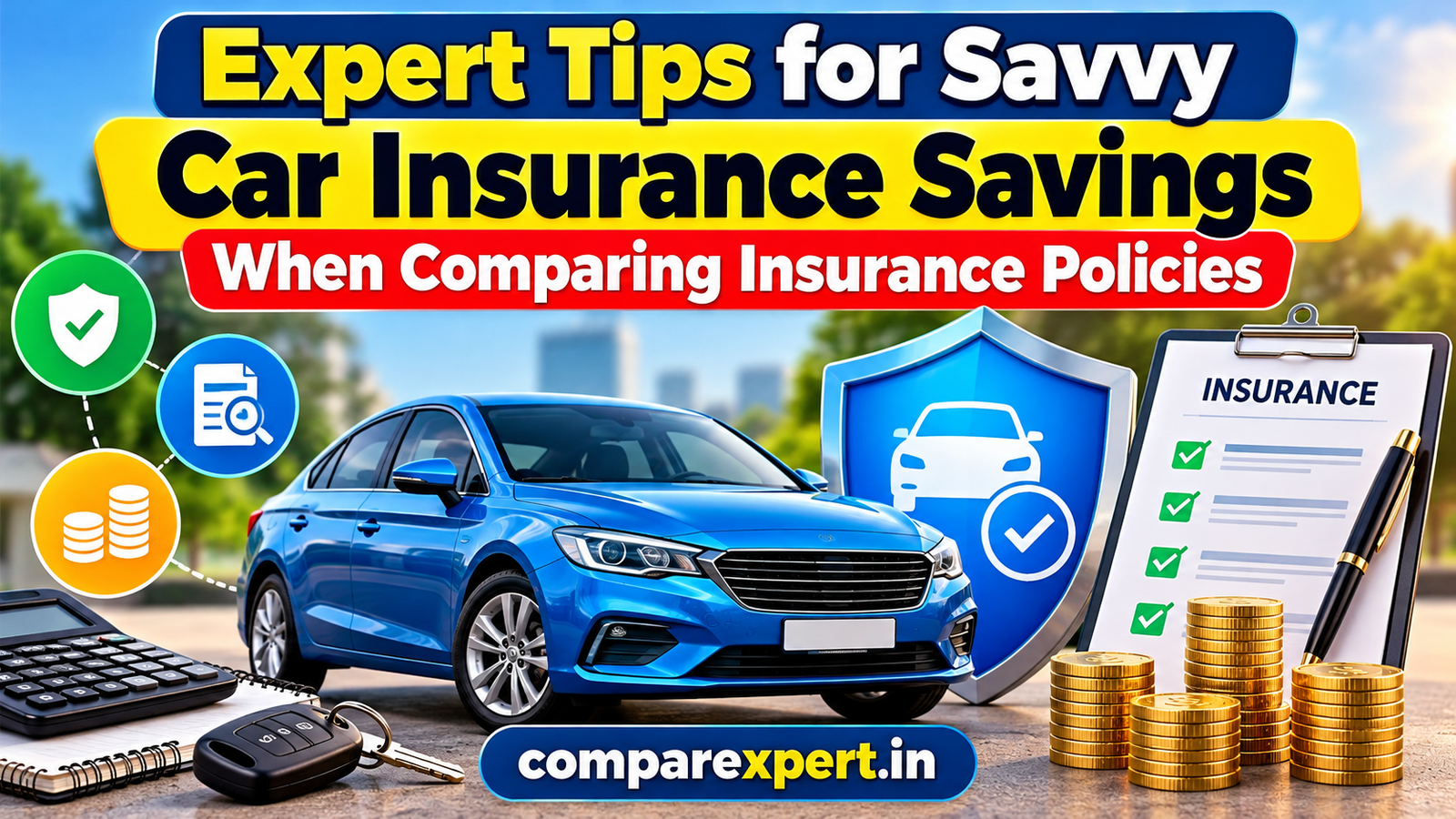
Selecting the best car insurance involves more than simply choosing the policy with the lowest premium; it means finding the right balance between cost, coverage, and financial protection. A good policy should provide reliable financial protection, useful coverage, and affordable premiums. By comparing insurance policies carefully, you can identify valuable discounts, avoid unnecessary costs, and select coverage that suits your driving habits and budget.
Table of Contents
Understand Your Car Insurance Needs
Before comparing insurance policies, identify the protection your vehicle needs. In India, third-party liability insurance is mandatory for vehicles used on public roads. Comprehensive insurance can also cover damage to your own vehicle, depending on the policy terms. Your ideal insurance policy will depend on your vehicle’s age, current value, how often you drive it, and how comfortably you can afford unexpected repair costs.
If you drive a new or expensive car, broader protection may be worth the additional premium. For an older vehicle with a low market value, you may want to compare the cost of own-damage coverage against the potential repair or replacement benefit. However, do not reduce essential protection simply to make the premium cheaper. Think of insurance as a financial safety net: the goal is to save money without leaving yourself exposed to a major expense.
Compare Multiple Insurance Quotes
One of the easiest ways to find affordable car insurance is to request quotes from several insurers. The Insurance Regulatory and Development Authority of India (IRDAI) recommends comparing at least three quotes and checking the premium, deductibles, coverage, and Insured Declared Value (IDV).
Comparison websites can help you review different options in one place, but you should also check insurers’ official websites. Enter accurate information about your car, driving history, previous policy, and selected coverage so the quotes are comparable. A low quote may look attractive initially, but it could include a lower IDV, fewer benefits, or a higher deductible. Before selecting a policy, review the total cost and carefully evaluate the coverage, benefits, and terms offered by each insurer.
Compare Coverage, Not Just Prices
Comparison factor | What to check |
Premium | Total amount payable for the policy |
IDV | Insured value of your vehicle |
Deductible | Amount you pay toward an eligible claim |
Own-damage cover | Protection against covered damage to your car |
Add-ons | Extra benefits and their individual costs |
Exclusions | Situations the policy does not cover |
Claims service | Claim process, support, and repair options |
A useful comparison focuses on similar coverage rather than simply choosing the cheapest insurer. This helps you understand whether a price difference reflects better protection or a reduction in benefits.
Look for Available Discounts
Insurance discounts can reduce your premium without requiring you to sacrifice important coverage. In India, eligible policyholders may benefit from a No Claim Bonus (NCB), approved anti-theft devices, or other discounts offered under the insurer’s terms. Some insurers may also provide offers for online purchases or specific customer categories. The options available may differ depending on the insurance provider and the type of policy you choose.
Contact your insurance provider to find out which discounts are available for your car and whether you can use multiple offers together. Review the quote carefully to confirm that each eligible discount has been included. If you are renewing your policy, check your NCB entitlement and provide supporting documents when required. Avoid installing accessories solely for a discount unless the savings and security benefits justify the cost.
Key Features of Savvy Car Insurance Savings
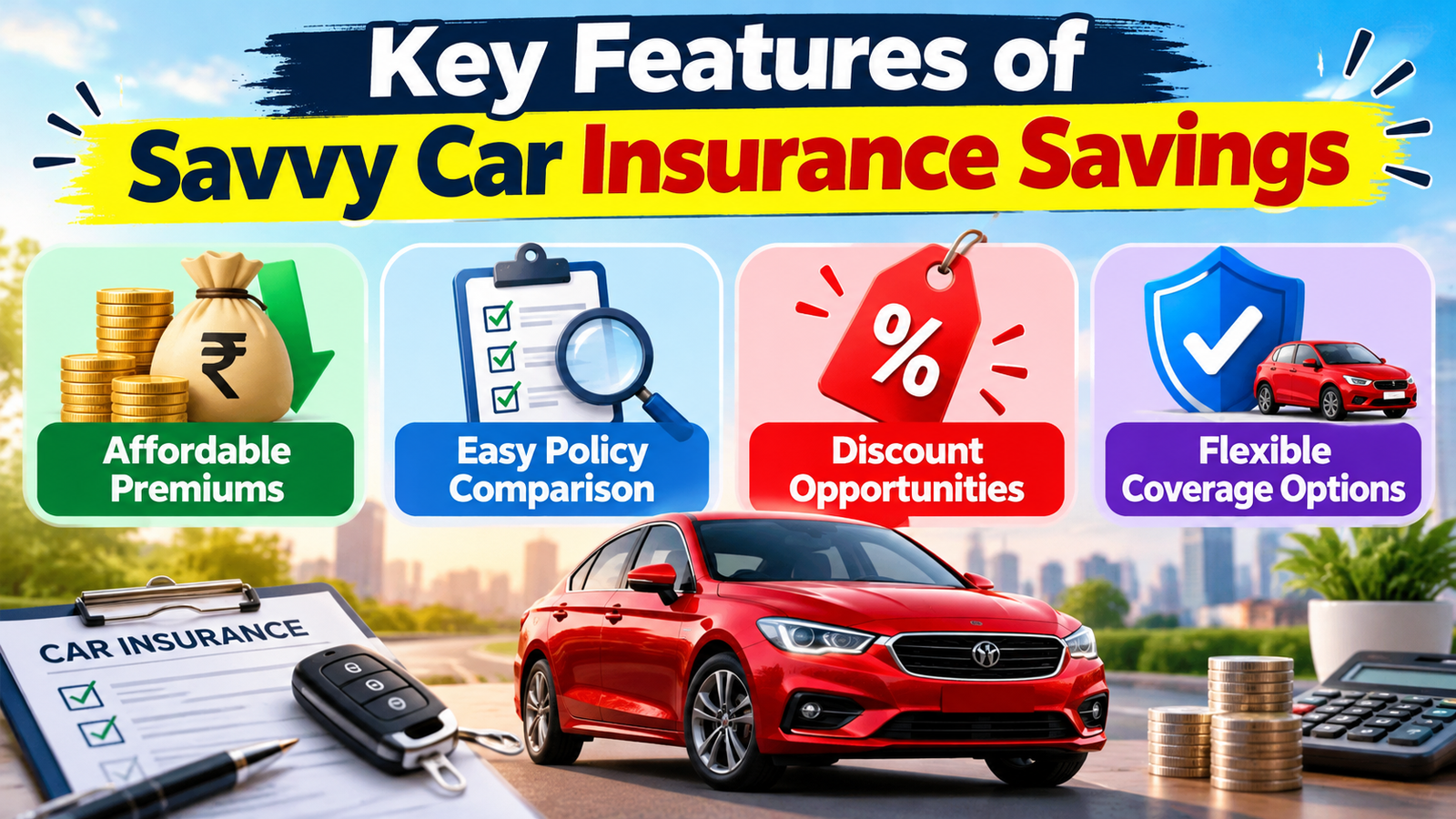
- 1. Affordable Premiums: Find cost-effective insurance policies that fit your budget without sacrificing essential coverage.
- 2. Easy Policy Comparison: Compare multiple insurance quotes, coverage options, and benefits to identify the most suitable plan.
- 3. Discount Opportunities: Explore available discounts, including No Claim Bonus (NCB) and eligible insurer offers.
- 4. Flexible Coverage Options: Choose insurance coverage and add-ons based on your vehicle, driving habits, and protection needs.
Choose the Right Deductible
A deductible, also called an excess, is the amount you must pay toward a covered claim under the policy terms. Choosing a higher voluntary deductible may lower your premium, but it also means paying more from your own pocket when a claim occurs.
For example, imagine one policy offers a lower premium with a higher deductible, while another costs slightly more but requires you to contribute less toward an eligible repair. The cheaper policy may not be the better deal if you cannot comfortably afford the deductible. Compare the potential savings with the amount you might need to pay after an accident. Select a deductible that fits your budget rather than increasing it just to reduce the premium.
Review Your Coverage Limits
Your coverage limits determine the extent of financial protection available under your policy. For own-damage insurance in India, the Insured Declared Value (IDV) represents the insured value of your vehicle, subject to the policy’s terms. A lower IDV can reduce the premium, but it can also reduce the amount payable for a total loss. Choose an IDV that reasonably reflects your car’s current market value rather than lowering it just to save money.
You should also review third-party liability protection, personal accident requirements, and available add-ons. Useful options may include zero depreciation, roadside assistance, engine protection, or return-to-invoice cover, depending on eligibility and the insurer’s offerings. Each add-on increases the cost, so consider whether it addresses a realistic risk. A well-balanced policy protects you against meaningful expenses without charging you for benefits you are unlikely to need.
Maintain a Good Driving Record
Your driving history can influence insurance costs, depending on the insurer and the rules applicable in your market. Safe driving reduces the likelihood of accidents, helps protect your vehicle, and may help you qualify for certain benefits. In India, maintaining a claim-free record can also help you earn a No Claim Bonus, which reduces the own-damage premium when eligible.
Drive responsibly, follow traffic regulations, and keep your vehicle properly maintained. Before making a small claim, check your policy’s deductible and the effect a claim may have on your NCB. Paying for a minor repair yourself can sometimes make financial sense, but you should never avoid reporting an incident when your policy or the law requires it. Compare the immediate repair cost with the potential loss of future benefits before deciding.
Consider Your Vehicle and Usage
The type of car you own and how you use it can affect your insurance premium. A vehicle’s age, value, engine capacity, location of registration, and claims history may influence the final price. Expensive parts or costly repairs can also make some vehicles more expensive to insure.
Think about how frequently you drive and where you park your car. Someone who drives daily through heavy traffic may have different coverage needs from someone who uses a vehicle only occasionally. Tell your insurer how the vehicle is actually used, and ask whether any relevant usage-based options are available. Never misrepresent your driving habits to obtain a cheaper quote, because incorrect information can create problems during a claim.
Check the Insurer's Reputation
Affordable car insurance is valuable only when the policy provides suitable protection and the insurer handles claims properly. Before purchasing, review the claim submission process, customer support options, authorised repair network, and policy exclusions. Read recent customer feedback to identify recurring complaints about delays, communication, or settlement disputes.
Do not rely on a single online rating or promotional claim. Check the insurer’s official policy documents and regulatory information, and ask how cashless repairs work at nearby network garages. Understand which documents are needed for a claim and what expenses you may have to pay yourself. A slightly higher premium may be worthwhile if the policy better suits your repair needs and offers a clear, convenient claims process.
Understand the Difference Between Third-Party and Comprehensive Insurance
Choosing the right type of car insurance is an important step toward achieving Savvy Car Insurance Savings. Third-party insurance covers your legal liability for injury, death, or property damage caused to another party, subject to the policy terms. Comprehensive insurance generally combines third-party liability protection with cover for damage to your own vehicle from insured events. The best option depends on your car’s value, driving habits, and financial requirements.
Before making a decision, compare the premiums and benefits of both options. Although third-party insurance usually costs less, it does not cover damage to your own car. Comprehensive insurance may offer broader protection, but its exclusions and deductibles still matter. Understanding these differences helps you select suitable coverage without spending money on a policy that does not meet your needs.
Check the Network Garages Before Buying
The availability of network garages can influence your overall insurance experience. Many insurers offer cashless repair services at approved garages, allowing eligible repair bills to be settled directly with the insurer, subject to policy conditions and applicable deductions. This can reduce the amount you need to pay upfront and make the repair process more convenient after an accident.
Before purchasing a policy, check whether your preferred service centre is included in the insurer’s network. Review the claims process, repair approval requirements, and any expenses that remain your responsibility. A policy with a slightly higher premium may offer greater convenience if it provides access to suitable garages near your home or workplace. This is another important factor when comparing car insurance policies.
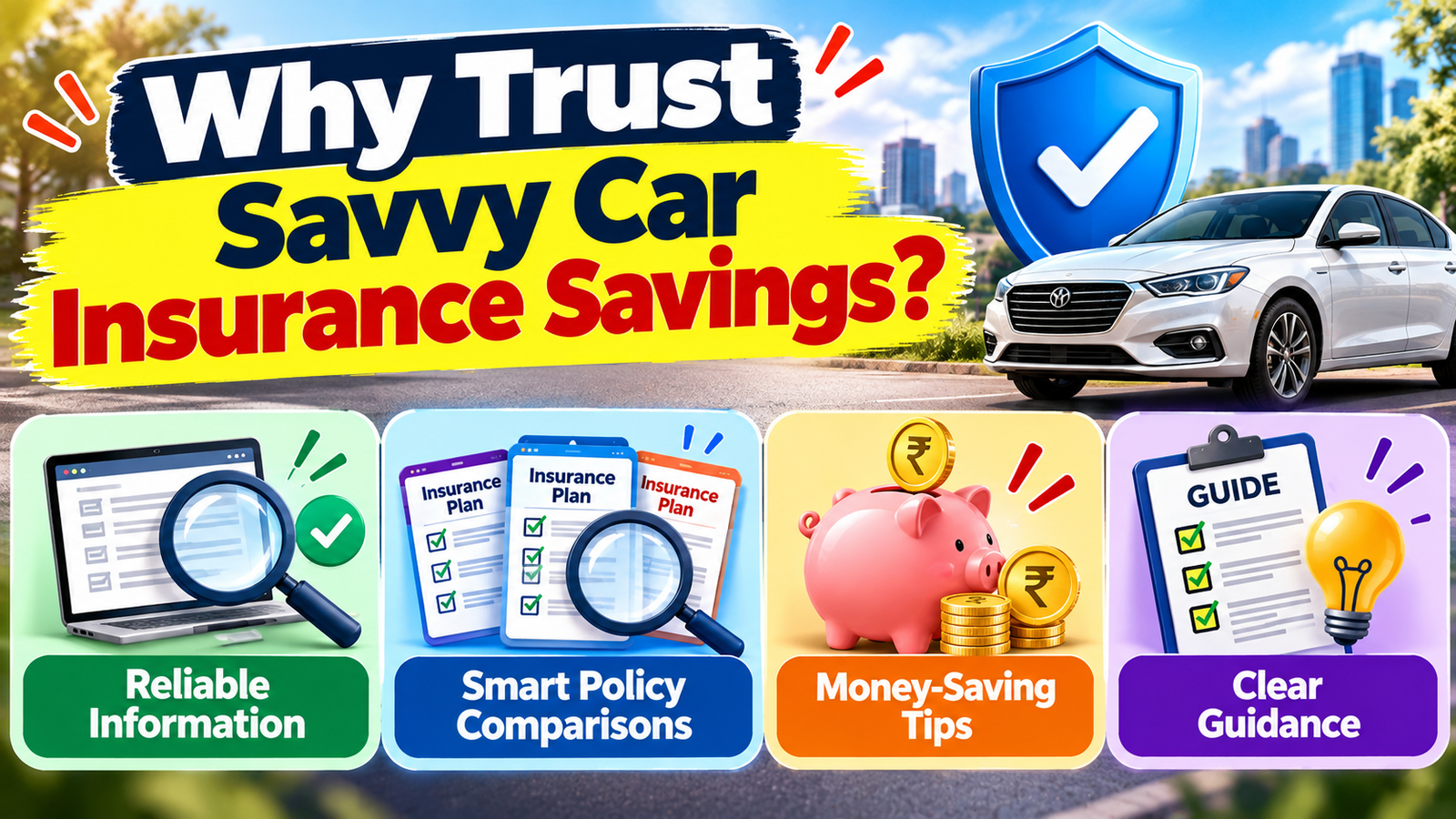
Why Trust Savvy Car Insurance Savings?
Trusting Savvy Car Insurance Savings means making informed decisions when comparing car insurance policies. By focusing on transparent pricing, coverage benefits, available discounts, and policy terms, drivers can identify options that suit their needs and budgets.
- Reliable Information: Understand key insurance features, coverage limits, and policy conditions before making a decision.
- Smart Policy Comparisons: Compare premiums, benefits, deductibles, and exclusions to find suitable coverage.
- Money-Saving Tips: Discover practical ways to reduce insurance costs through eligible discounts and informed choices.
- Clear Guidance: Learn about insurance terms and options in simple, easy-to-understand language.
Protect Your No Claim Bonus When Switching Insurers
Your No Claim Bonus (NCB) can help lower the own-damage premium when you qualify for the benefit. If you decide to switch insurers at renewal, check the process for transferring your eligible NCB and provide the necessary documentation. The bonus generally belongs to the policyholder rather than the vehicle, subject to applicable rules and eligibility requirements.
Before renewing, verify the NCB percentage shown in your quote and confirm that the insurer has applied it correctly. Avoid assuming that switching providers will automatically produce a lower premium. Compare the final cost, coverage, deductibles, and add-ons together. Protecting your earned benefits while selecting appropriate coverage can support long-term insurance savings.
Create a Simple Annual Insurance Comparison Checklist
A comparison checklist makes it easier to review insurance offers without overlooking important details. Start by checking the total premium, IDV, third-party liability protection, own-damage coverage, deductibles, and policy exclusions. Then compare optional add-ons, cashless garage availability, customer support, and claim procedures. Using the same criteria for every quote helps you identify meaningful differences between policies.
You can also keep a record of your current policy’s expiry date, NCB entitlement, and previous claims. Review these details before requesting renewal offers so you can provide accurate information to insurers. Once you have compared the available policies, choose the option that provides appropriate protection at a reasonable cost.
Also Read
How to Choose the Right Coverage With Pets Best Pet Insurance for Your Pet
Important Things to Know Before Shopping on Banggood
Why Manfrotto Equipment Is Popular Among Photography Enthusiasts
Key Things to Consider When Shopping on Kogan Australia
How Miro Can Improve Brainstorming and Project Planning
Avoid Common Insurance Comparison Mistakes
Many drivers focus on the headline premium and overlook details that can affect the value of their coverage. Some drivers believe all comprehensive insurance plans offer identical protection or buy extra coverage without reviewing the situations those benefits exclude. These mistakes can result in unexpected expenses when a claim is made.
Use a consistent checklist when comparing quotes, and read the policy wording before paying. Confirm the IDV, deductible, add-ons, exclusions, and applicable claim conditions. AMake sure the quoted premium covers all relevant taxes and additional fees so you know the exact amount you will need to pay. The best policy is not necessarily the cheapest or the one with the most features; it is the one that offers appropriate protection at a reasonable overall cost.
Review Your Policy at Renewal
Renewal is an excellent opportunity to reassess your coverage and compare competing offers. Your vehicle’s value may have changed, your driving needs may be different, and another insurer may offer a more suitable combination of price and benefits. Start comparing insurance plans well ahead of your policy’s expiry date to evaluate your options and renew your coverage on time.
In India, keep track of your policy’s expiry date and renew without a break. Policyholders should contact their insurance provider before the policy expires, as a coverage lapse could result in vehicle inspections or additional renewal difficulties. If you switch insurers, check that your eligible NCB is carried forward using the required proof.
Conclusion
Finding affordable car insurance becomes easier when you compare policies carefully instead of choosing the lowest quote immediately. Understand your coverage needs, compare at least three offers, review deductibles and IDV, and check which discounts you qualify for. Maintain a good driving record, evaluate add-ons according to your needs, and research the insurer’s claims service before making a decision.
Focus on overall benefits rather than cost alone. A good policy should offer financial security, useful coverage, and affordable premiums. By reviewing your insurance regularly and asking the right questions, you can make informed choices and save money without compromising essential protection.
Frequently Asked Questions
Compare quotes from at least three insurers, check eligible discounts, review unnecessary add-ons, and select an appropriate deductible. Make sure the coverage and IDV are comparable before choosing a policy.
No. A cheaper policy may offer a lower IDV, fewer benefits, or a higher deductible. Compare exclusions, coverage limits, and claims support to determine which policy offers the best value.
A No Claim Bonus (NCB) is a benefit for eligible policyholders who complete a policy period without making a claim. In India, it reduces the own-damage premium and can generally be retained when switching insurers, subject to the required documentation and applicable rules.
A higher voluntary deductible may reduce your premium, but it increases your share of eligible claim expenses. Choose one only if you can comfortably afford the additional out-of-pocket cost.
Compare policies before your current policy expires and whenever your vehicle, budget, or coverage needs change. Starting early gives you time to review quotes, confirm discounts, and avoid a lapse in coverage.
Table of Contents
Related Post

How to Choose the Right Coverage With Pets Best Pet Insurance for Your Pet
admin
October 10, 2026
Read More »