

Comparexpert
Comparison Between Company


Explore Interactive Learning and Events Through Live webinar INT

Discover how LiveWebinar INT is transforming online education and professional events through interactive learning experiences. Explore the benefits of real-time webinars, expert sessions, digital collaboration, and modern learning technologies that help students and professionals connect, learn, and grow from anywhere in the world. This guide explains how LiveWebinar INT creates engaging virtual experiences and the future of interactive online learning.
Table of Contents
Introduction to Interactive Learning Through Live Webinars
Education and professional learning have changed significantly in recent years. People no longer depend only on traditional classrooms, printed books, or fixed schedules to gain knowledge. Today, digital platforms have created new ways of learning where students, professionals, and experts can connect from anywhere in the world. One of the most effective examples of this transformation is Live Webinar INT, which combines online events with interactive learning experiences.
A live webinar is not just an online lecture where someone speaks and others listen. It creates a digital environment where participants can ask questions, share opinions, participate in discussions, complete activities, and communicate directly with speakers. This makes learning more active and engaging compared to passive learning methods. Current education trends show that interactive content, AI-based learning, and flexible digital platforms are becoming important parts of modern education systems.
What Makes Live Webinars Different From Traditional Learning
Traditional learning methods often follow a one-way communication model. A teacher explains a topic, students take notes, and questions are usually answered after the lecture. While this method is useful, it sometimes limits participation and creativity.
Live webinars create a two-way learning environment. Participants can communicate with instructors through live chats, polls, Q&A sessions, and group discussions. This interaction keeps learners involved and helps them understand concepts more clearly.
Another major difference is accessibility. A physical event requires travel, accommodation, and specific timing. Live webinars remove these challenges because learners can join sessions from their homes, offices, or educational institutions.
Modern online learning platforms are also using technologies such as artificial intelligence, personalized learning systems, and interactive tools to improve user experience. These developments are making digital education more adaptive and learner-focused.
Understanding the Concept of Live Webinar INT
Live Webinar INT represents an interactive international webinar experience where participants connect through online platforms for educational sessions, workshops, discussions, and professional events. The main purpose is to create meaningful communication between experts and audiences.
Unlike recorded videos, live webinars happen in real time. This creates a feeling of attending a physical event because participants can immediately respond, ask questions, and receive feedback.
For businesses, universities, and organizations, webinars have become powerful tools for training employees, educating customers, and sharing knowledge. For students, they provide access to expert guidance and industry insights that may not always be available in traditional classrooms.
Role of Technology in Modern Learning Events
Technology is the foundation behind successful webinar experiences. Platforms today provide features like screen sharing, virtual whiteboards, live polls, breakout rooms, and automated recordings.
These features transform a simple online meeting into a complete learning environment. A speaker can demonstrate practical examples, conduct activities, and involve participants throughout the session.
Artificial intelligence is also influencing digital education by supporting personalized learning, smart recommendations, and automated feedback systems. These technologies are helping create more effective and engaging learning experiences.
Key Features of Live Webinar INT
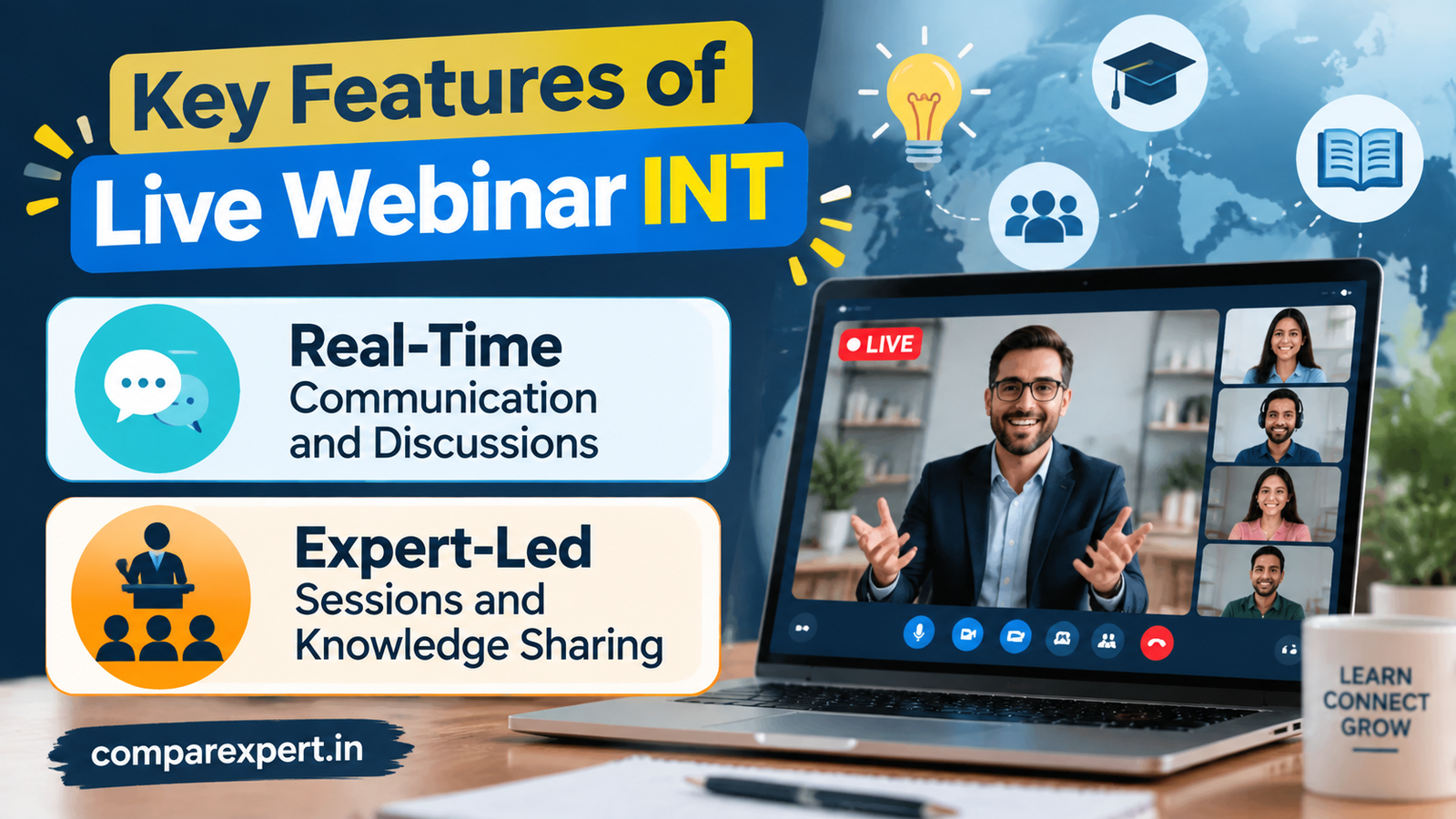
Real-Time Communication and Discussions
One of the biggest advantages of Live Webinar INT is real-time communication. Participants are not isolated learners; they become part of a learning community.
During live sessions, attendees can:
- Ask questions directly to experts
- Participate in polls and activities
- Share ideas with other participants
- Receive immediate answers and feedback
This creates a more personal and engaging learning atmosphere.
Expert-Led Sessions and Knowledge Sharing
Live webinars often include industry experts, professors, trainers, and experienced professionals. These speakers bring practical knowledge that goes beyond textbook information.
Learning directly from experts helps participants understand current trends, real-world challenges, and professional expectations.
For career development, these sessions can provide valuable guidance about industry skills, job opportunities, and future technologies.
Why Interactive Learning Is Becoming More Popular
Interactive learning focuses on participation rather than memorization. Instead of simply receiving information, learners actively engage with the subject.
This method improves understanding because people remember concepts better when they participate in discussions, solve problems, and apply knowledge practically.
For example, a student learning marketing concepts through a webinar can participate in case studies, answer live questions, and discuss strategies with professionals. This practical approach creates deeper understanding.
Many educational institutions are moving toward blended and interactive learning models because they support flexibility, collaboration, and skill development.
How Live Webinars Improve Learning Experience
Learning becomes more effective when people actively participate. Live webinars focus on engagement rather than only delivering information. Features such as live chat, question sessions, polls, quizzes, and interactive activities encourage learners to become part of the session.
In a traditional lecture, students may hesitate to ask questions because of time limitations or classroom pressure. In a webinar environment, digital tools create easier communication between learners and instructors. Participants can submit questions, share opinions, and receive immediate responses.
Interactive learning improves understanding because learners are not simply listening; they are thinking, responding, and applying concepts. Studies on interactive online learning highlight that activities such as live feedback, quizzes, and discussions can increase learner engagement and knowledge retention.
A successful webinar usually follows an interactive structure:
- Introduction and topic explanation – The speaker explains the purpose and objectives.
- Interactive discussion – Participants share questions and opinions.
- Practical examples – Real-world cases help learners connect theory with practice.
- Feedback session – Learners receive answers and guidance.
This approach makes learning more enjoyable and memorable.
Collaboration and Networking Opportunities
One of the hidden advantages of Live Webinar INT is community building. Learning is not only about collecting information; it is also about connecting with people who share similar goals.
During webinars, participants from different cities, countries, and professional backgrounds come together on one platform. This diversity creates opportunities to exchange ideas and understand different perspectives.
For example, a technology webinar may include software developers, students, entrepreneurs, and researchers. Each participant brings unique experiences, making discussions more valuable.
Professional networking through webinars can help individuals:
- Discover new career opportunities
- Build professional relationships
- Exchange knowledge and ideas
- Find mentors and industry experts
Many organizations now use webinars as a part of professional development because they provide access to specialists who may not be available for physical events.
How to Choose the Right Live Webinar Platform
Choosing the right webinar platform is important for creating a smooth and engaging learning experience. A good platform should provide useful features that support communication, collaboration, and easy access for participants.
Before selecting a webinar platform, organizations and educators should consider factors such as user experience, video quality, security, audience capacity, and interactive features. A platform with tools like live chat, polls, screen sharing, Q&A sessions, and recording options can improve the overall webinar experience.
A successful LiveWebinar INT experience depends not only on the speaker but also on the technology used. When the platform works smoothly, participants can focus on learning instead of facing technical difficulties.
Some important features to look for include:
- High-quality video and audio: Ensures clear communication between speakers and participants.
- Interactive tools: Features like polls, quizzes, and live questions increase engagement.
- Recording options: Allows learners to revisit important topics later.
- Security features: Protects meetings and participant information.
- Mobile accessibility: Helps users join sessions from smartphones and tablets.
The right webinar platform acts like a digital classroom where knowledge, communication, and technology come together.
Tips for Making Live Webinar Sessions More Engaging
A webinar becomes successful when participants feel involved throughout the session. Simply presenting information is not enough; creating interaction is the key to keeping audiences interested.
Speakers can use different strategies to improve engagement during LiveWebinar INT sessions. Starting with an interesting introduction, asking questions, sharing real-life examples, and encouraging discussions can make the session more effective.
Some useful tips include:
1. Start with a clear objective
Participants should understand what they will learn from the webinar. A clear goal helps maintain focus and interest.
2. Encourage audience participation
Using polls, surveys, and question-answer sessions allows attendees to actively participate instead of just listening.
3. Use practical examples
Real-world examples help learners understand concepts easily and connect knowledge with practical situations.
4. Keep the session organized
A well-planned structure with proper timing improves the overall learning experience.
Importance of Live Webinars for Business Growth
Businesses are also using webinars as powerful tools for communication, marketing, and employee development. A well-organized webinar helps companies connect with customers, train employees, and showcase their expertise.
Companies can use LiveWebinar INT events for:
- Product demonstrations
- Customer education
- Employee training
- Industry discussions
- Brand awareness campaigns
Webinars help businesses reach a larger audience without the high costs associated with physical events. They allow companies to build trust by sharing valuable knowledge and interacting directly with their audience.
For example, a technology company can organize a webinar to explain a new product, answer customer questions, and demonstrate its features. This creates a stronger relationship between the company and its users.
Challenges of Live Webinar Learning and How to Overcome Them
Although live webinars provide many benefits, they also come with some challenges. Understanding these challenges helps organizers create better experiences.
One common challenge is technical problems. Poor internet connections, audio issues, or software problems can affect the quality of a webinar. Organizers can reduce these problems by testing equipment before the session and choosing reliable platforms.
Another challenge is maintaining audience attention. Since participants join from different environments, distractions can reduce engagement. Interactive activities, shorter sessions, and meaningful discussions can help keep learners focused.
Other common challenges include:
- Limited personal interaction compared to physical events
- Difficulty managing large audiences
- Lack of technical knowledge among some participants
With proper planning and the use of modern digital tools, these challenges can be managed effectively.
Benefits of Joining Live Webinar Events
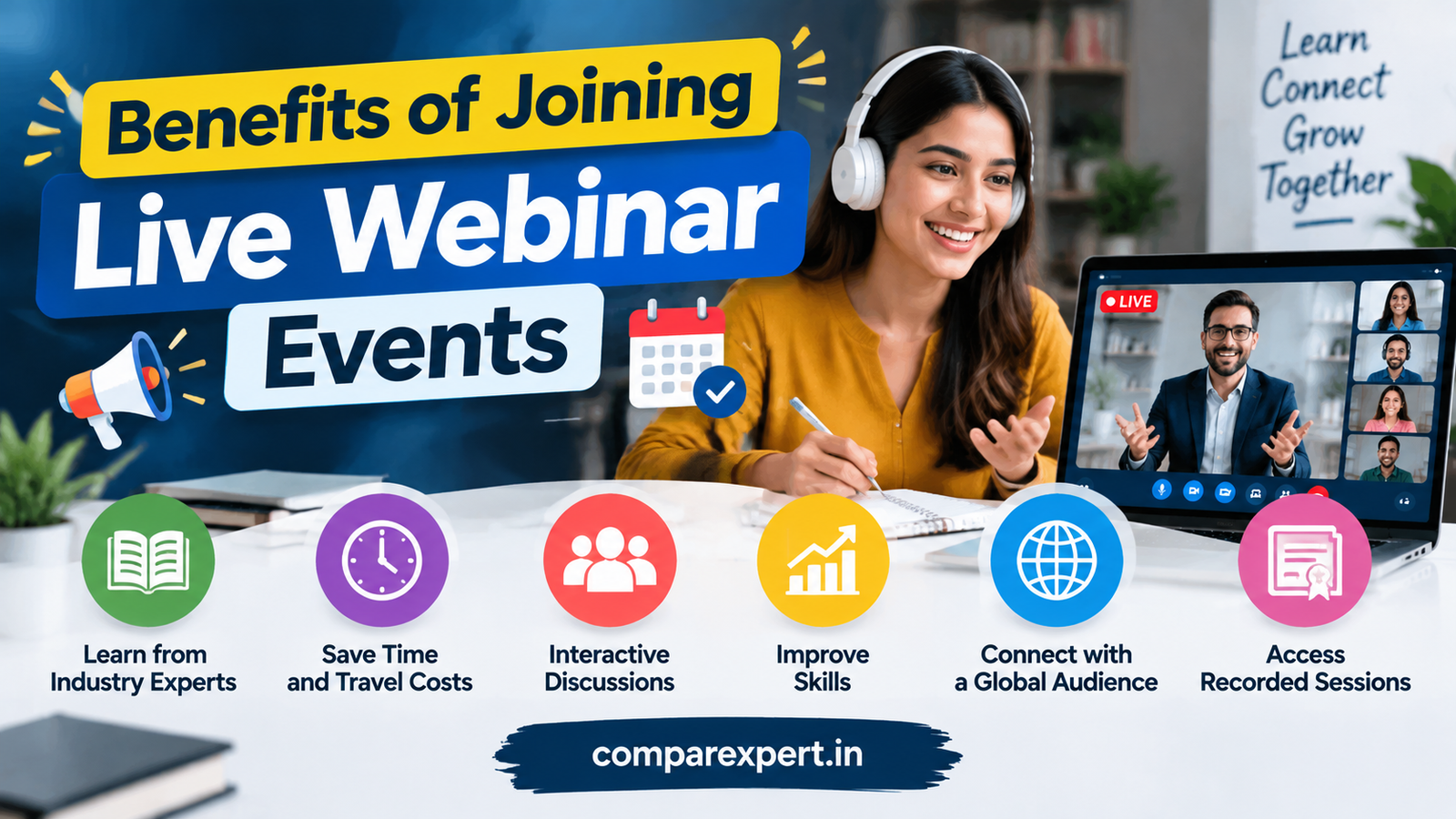
Live webinar events provide many advantages for students, professionals, businesses, and organizations. The biggest benefit is accessibility. Participants can join educational sessions, workshops, and expert discussions from any location with an internet connection. This removes barriers such as travel costs, physical distance, and limited access to experts. Research on webinar-based learning shows that webinars can support knowledge development by allowing real-time communication, feedback, and interaction between instructors and learners.
Another important advantage is flexibility. Many learners today manage multiple responsibilities, including studies, jobs, and personal commitments. Live webinars allow them to gain valuable knowledge without leaving their current environment. They can attend sessions from home, office, or any convenient place. Some webinar platforms also provide recordings, allowing participants to review important concepts later.
Live webinars also create networking opportunities. A participant does not only learn from the speaker but also connects with other people who have similar interests. These connections can lead to collaborations, career opportunities, and professional relationships.
Some major benefits include:
- Learning directly from industry experts
- Saving travel time and expenses
- Participating in real-time discussions
- Improving professional skills
- Connecting with global audiences
- Accessing recorded sessions for revision
For organizations, webinars are useful for employee training, customer education, product demonstrations, and knowledge-sharing programs. They provide a cost-effective way to reach a large audience without arranging physical events.
Role of AI and Digital Tools in Webinar Learning
Artificial intelligence is transforming how online learning works. Modern webinar platforms are becoming smarter by using AI-powered features that improve communication and personalization.
AI tools can help with:
- Automatic subtitles and translations
- Personalized learning recommendations
- Session summaries
- Attendance tracking
- Question management
These features make webinars easier to understand and more accessible for different types of learners.
For example, automatic transcription allows participants to read important points during or after a session. Translation tools can help international audiences participate without language barriers.
Digital tools such as virtual whiteboards, screen sharing, breakout rooms, and online assessments also improve the learning experience. These technologies make webinars closer to real classroom experiences while maintaining the convenience of online education.
Why LiveWebinar INT Is the Future of Digital Learning
The future of education and professional development is moving toward flexible and interactive learning models. People want access to quality information without location restrictions, and LiveWebinar INT provides exactly that opportunity.
Future webinars will become more advanced with technologies such as artificial intelligence, virtual reality, and personalized learning systems. These innovations will make online sessions more immersive and effective.
The combination of expert knowledge, interactive communication, and advanced technology makes live webinars an important part of modern learning. Whether it is education, business training, or professional growth, interactive webinars will continue to connect people and ideas across the world.
Also Read
How Jungle Scout Can Help You Find Winning Products on Amazon
How to Choose the Perfect Format for Your Marketing Content
How Streak-CRM for Gmail Can Transform Your Sales Pipeline Management
Process Street vs Trello: Which Tool Works Best for Your Business?
How ConvertKit(Kit) Empowers Creators with Seamless Email Marketing
Live Webinar INT for Students and Professionals
Academic and Career Development Advantages
Students can benefit greatly from Live Webinar INT because it provides exposure beyond traditional textbooks. Webinars allow students to learn from professors, researchers, and industry professionals.
A student studying computer science, for example, can attend webinars about artificial intelligence, cybersecurity, cloud computing, or software development. This helps them understand current industry requirements and improve their skills.
For professionals, webinars support continuous learning. Industries change quickly, and employees need to update their knowledge regularly. Online workshops and expert sessions help professionals stay competitive in their careers.
Some professional benefits include:
- Learning new technologies
- Improving workplace skills
- Understanding market trends
- Preparing for career growth
- Earning certificates and professional recognition
Many professionals prefer webinars because they can upgrade their skills without taking long breaks from work.
Future of Interactive Online Learning
The future of learning is becoming more digital, flexible, and personalized. Live Webinar INT represents an important step toward a learning system where knowledge is available anytime and anywhere.
Future webinars are expected to include advanced technologies such as virtual reality, augmented reality, AI tutors, and personalized learning assistants. These technologies may create more immersive learning environments where students feel like they are physically present in a classroom.
Organizations and educational institutions are likely to continue using webinars because they provide a balance between convenience and interaction. Unlike simple recorded videos, live webinars create human connections and immediate communication.
The focus of future education will not only be about providing information but also creating meaningful learning experiences. Interactive webinars support this goal by combining technology with human interaction.
Conclusion
Live Webinar INT has changed the way people learn, communicate, and share knowledge. By combining technology with real-time interaction, webinars create a powerful learning environment for students, professionals, and organizations.
The biggest strengths of live webinars are accessibility, flexibility, expert guidance, and interactive communication. They allow learners to connect with global experts without geographical limitations.
As digital education continues to grow, interactive webinars will play an important role in professional development and lifelong learning. They are not simply online meetings; they are modern learning experiences that connect people, ideas, and opportunities.
Frequently Asked Questions
Live Webinar INT is an interactive online learning event where participants connect with experts through live digital platforms. It allows real-time communication, discussions, and knowledge sharing.
A live webinar allows participants to interact with speakers instantly through questions, discussions, and activities. Recorded courses usually do not provide real-time communication.
Students, professionals, entrepreneurs, teachers, and anyone interested in gaining knowledge can participate in live webinar sessions.
Webinars can help improve technical skills, communication abilities, professional knowledge, problem-solving skills, and industry awareness.
Yes, live webinars help professionals learn new skills, understand industry trends, connect with experts, and improve career opportunities.
Table of Contents
Related Post

A Complete Guide to Choosing the Right K9 Training Institute in India
admin
October 21, 2026
Read More »

What Pet Owners Should Know About Pets Best Pet Insurance Before Buying
admin
October 20, 2026
Read More »

How Peanut Butter & Co. Stands Out in the Competitive Peanut Butter Market
admin
October 19, 2026
Read More »


The Ultimate Guide to Choosing the Best Anolon Cookware for Your Kitchen
admin
October 18, 2026
Read More »