

Comparexpert
Comparison Between Company


How Peanut Butter & Co. Stands Out in the Competitive Peanut Butter Market

Discover how Peanut Butter & Co. stands out in the competitive peanut butter market through its unique flavors, quality ingredients, creative branding, and product variety. Learn what makes the brand different from its competitors and how it attracts customers in a crowded food industry.
Table of Contents
Introduction to Peanut Butter & Co.
The peanut butter market offers consumers countless choices, from traditional creamy spreads to natural peanut butter and dessert-inspired flavors. Out of all these brands, Peanut Butter & Co. has developed a distinctive identity by combining creative flavors, ingredient-conscious product development, and a passion for peanut butter.
The company began in 1998 as a New York City sandwich shop. Its founders wanted to offer better peanut butter options than those they found in the mainstream market, so they began creating their own spreads. Today, the brand sells products through supermarkets, specialty food retailers, and online channels. It also emphasizes its family-owned identity and its commitment to using peanuts grown in the United States.
What makes the brand interesting is its approach to a familiar food. Rather than competing solely on price or conventional taste, Peanut Butter & Co. gives customers more ways to enjoy peanut butter. Its combination of flavor innovation, ingredient choices, and recognizable branding helps it stand apart in a crowded category.
Understanding the Competitive Peanut Butter Market
The peanut butter industry includes established brands such as Jif and Skippy, alongside natural and specialty producers such as Justin’s and Once Again. Large companies benefit from extensive distribution, familiar packaging, and strong consumer recognition. Smaller or specialized brands often compete by offering distinctive ingredients, unique flavors, or products designed for particular dietary preferences.
This competitive environment means that simply selling a standard peanut butter spread may not be enough to attract new customers. Consumers compare taste, texture, price, nutritional information, and ingredient lists before choosing a product. Peanut Butter & Co. responds to this challenge by presenting peanut butter as both an everyday pantry staple and a flavorful ingredient for creative meals and snacks.
Traditional Brands vs. Specialty Brands
Traditional brands generally focus on familiar flavors, affordability, and widespread availability. Specialty brands can appeal to shoppers who want something different, whether that means fewer ingredients, premium positioning, or unusual flavor combinations.
Peanut Butter & Co. holds an intriguing place somewhere between these strategies. It offers recognizable peanut butter products while also developing sweet and creative varieties. This allows the company to appeal to customers who enjoy traditional spreads as well as those looking for a new taste experience.
Unique Product Flavors and Variety
A key distinguishing feature of Peanut Butter & Co. is its emphasis on offering a range of flavors. Alongside classic peanut butter, its product range has included distinctive options such as Dark Chocolatey Dreams, White Chocolatey Wonderful, The Bee’s Knees, Cinnamon Raisin, and Mighty Maple. These flavors offer shoppers choices beyond the usual creamy and crunchy spreads.
A variety of flavors can make a familiar product seem fresh once more. A chocolate-flavored spread, for example, can work as a topping for fruit, an ingredient in desserts, or a quick addition to breakfast. A honey- or maple-inspired option offers a different taste profile without requiring customers to purchase several separate ingredients.
Beyond Traditional Peanut Butter
Rather than treating peanut butter as something used only in sandwiches, the brand encourages consumers to explore different applications. Its flavored spreads can be incorporated into smoothies, oatmeal, toast, baked goods, and snack recipes.
This versatility increases the product’s appeal to people with different food preferences and eating habits. It also gives customers reasons to try multiple varieties instead of repeatedly purchasing the same flavor. In a competitive market, that experience-led approach can help a brand build customer loyalty.
Key Features of Peanut Butter & Co.
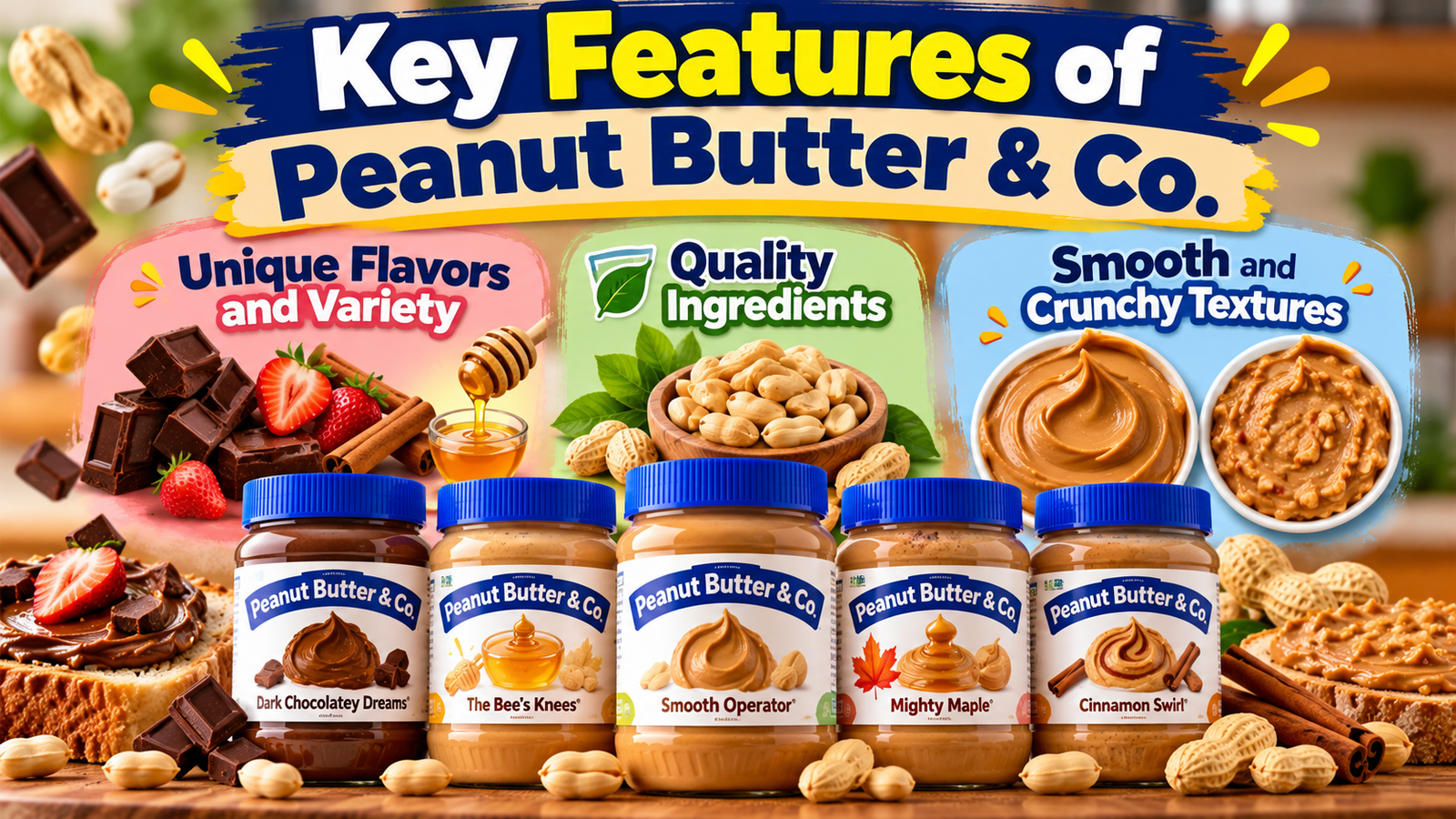
Unique Flavors and Variety
Offers classic, creamy, crunchy, and creative flavors such as Dark Chocolatey Dreams, Mighty Maple, and The Bee’s Knees.
Quality Ingredients
Uses USA-grown peanuts and makes products without artificial colors, flavors, or preservatives.
Smooth and Crunchy Textures
Provides options for different preferences, from creamy spreads to crunchy peanut butter with peanut pieces
Focus on Ingredients and Product Quality
Peanut Butter & Co. highlights ingredient selection as an important part of its brand identity. According to its official website, the company uses USA-grown peanuts and avoids artificial colors, flavors, and preservatives in its products. It also explains that some spreads contain ingredients such as cane sugar, honey, cocoa, or palm oil, depending on the variety.
Transparency matters because shoppers increasingly examine product labels rather than relying only on packaging claims. Providing information about ingredients and sourcing helps customers understand what they are buying and decide whether a product suits their preferences.
The company also explains why it uses a small amount of palm oil in some spreads: it helps stabilize the product and reduce natural oil separation. According to its website, it supports the production of sustainably certified palm oil. These details help consumers understand the practical choices behind the formulation, although customers should still check individual labels for specific ingredients and allergens.
Branding and Market Positioning
A clear brand identity helps Peanut Butter & Co. distinguish itself from competitors. Its name, playful flavor descriptions, and focus on peanut butter make its specialty clear to shoppers. Instead of presenting the product as only a source of protein or a basic sandwich ingredient, the company emphasizes enjoyment, creativity, and taste.
Its history as a sandwich shop also gives the brand a recognizable origin story. That background supports its image as a company founded by people who wanted to improve a familiar food rather than simply enter a profitable category. The company’s official messaging continues to highlight its family-owned status and its mission to create products that taste good, feel good, and do good.
This positioning can attract consumers who appreciate distinctive products and a personal brand story. However, branding alone is not enough to maintain a competitive advantage. The company must also deliver consistent taste, reliable quality, and value that customers consider worth paying for.
Reaching Customers Through Multiple Channels
Product innovation is most effective when customers can find the products easily. Peanut Butter & Co. reports selling through supermarkets, natural grocery stores, specialty food retailers, online channels, and international markets.
A presence across multiple channels gives customers different ways to discover and purchase its products. Grocery stores provide visibility during routine shopping, while online platforms allow shoppers to explore flavors, read product details, and reorder their favorites.
Digital marketing can also help the brand demonstrate how its products fit into everyday meals. Recipe ideas, serving suggestions, and social media content can turn a simple jar of peanut butter into an ingredient customers want to experiment with. These activities are particularly useful for specialty flavors because shoppers may need inspiration before deciding how to use them.
Customer Experience and Brand Loyalty
Customer experience plays an important role in building a successful food brand. Peanut Butter & Co. attracts attention by offering different flavors and giving customers more ways to enjoy a familiar product. From spreading peanut butter on toast to adding it to smoothies and desserts, the brand encourages consumers to experiment with their favorite foods. A varied product range can also encourage repeat purchases when customers find flavors that suit their tastes. By maintaining consistent quality, sharing useful recipes, and communicating clearly about ingredients, Peanut Butter & Co. can strengthen relationships with existing customers while attracting new ones.
Farmer & Friends: Connecting Peanut Butter with Farming
One of the interesting developments from Peanut Butter & Co. is its Farmer & Friends product line, launched in April 2026. This range is made using peanuts grown on the company’s own farm in Randolph County, Arkansas, and by neighboring farms in the same community. The product is available in smooth and crunchy varieties and uses peanuts as its sole ingredient.
This approach gives the brand a new way to stand out in the competitive peanut butter market. By connecting its products to a specific farming community, the company helps consumers learn more about where their food comes from. The initiative also supports local agriculture and emphasizes traceability. For customers who prefer simple ingredients and a closer connection to food production, this product line offers another reason to consider the brand.
Ingredient Transparency and Product Certifications
Modern shoppers often check ingredient lists and certifications before choosing packaged foods. Peanut Butter & Co. provides information about its ingredients, manufacturing, and product certifications to help consumers make informed decisions. Its official product information identifies certifications such as gluten-free, kosher, and vegan for eligible products, although the exact certifications vary by item.
The brand also offers different formulations to suit different preferences. For example, Simply Smooth has no added sugar, while Smooth Operator is lightly sweetened. This variety allows shoppers to compare ingredients and choose products according to their taste and dietary preferences. Customers should always review the individual package for current ingredients, allergens, and certification details.
The Role of Innovation in Peanut Butter & Co.'s Growth
Innovation helps food brands remain relevant as customer preferences change. Peanut Butter & Co. uses creative flavor combinations to give customers alternatives to traditional peanut butter. Chocolate-inspired spreads, sweet flavor variations, and classic options help the company appeal to different tastes and occasions. This strategy also encourages customers to explore new recipes and experiment with familiar foods.
Product innovation is not limited to introducing new flavors. Brands must also consider packaging, ingredient choices, product formats, and customer convenience. By continuing to understand consumer preferences, Peanut Butter & Co. can identify opportunities to improve its offerings and strengthen its position in the specialty food market.
Benefits of Choosing Peanut Butter & Co.
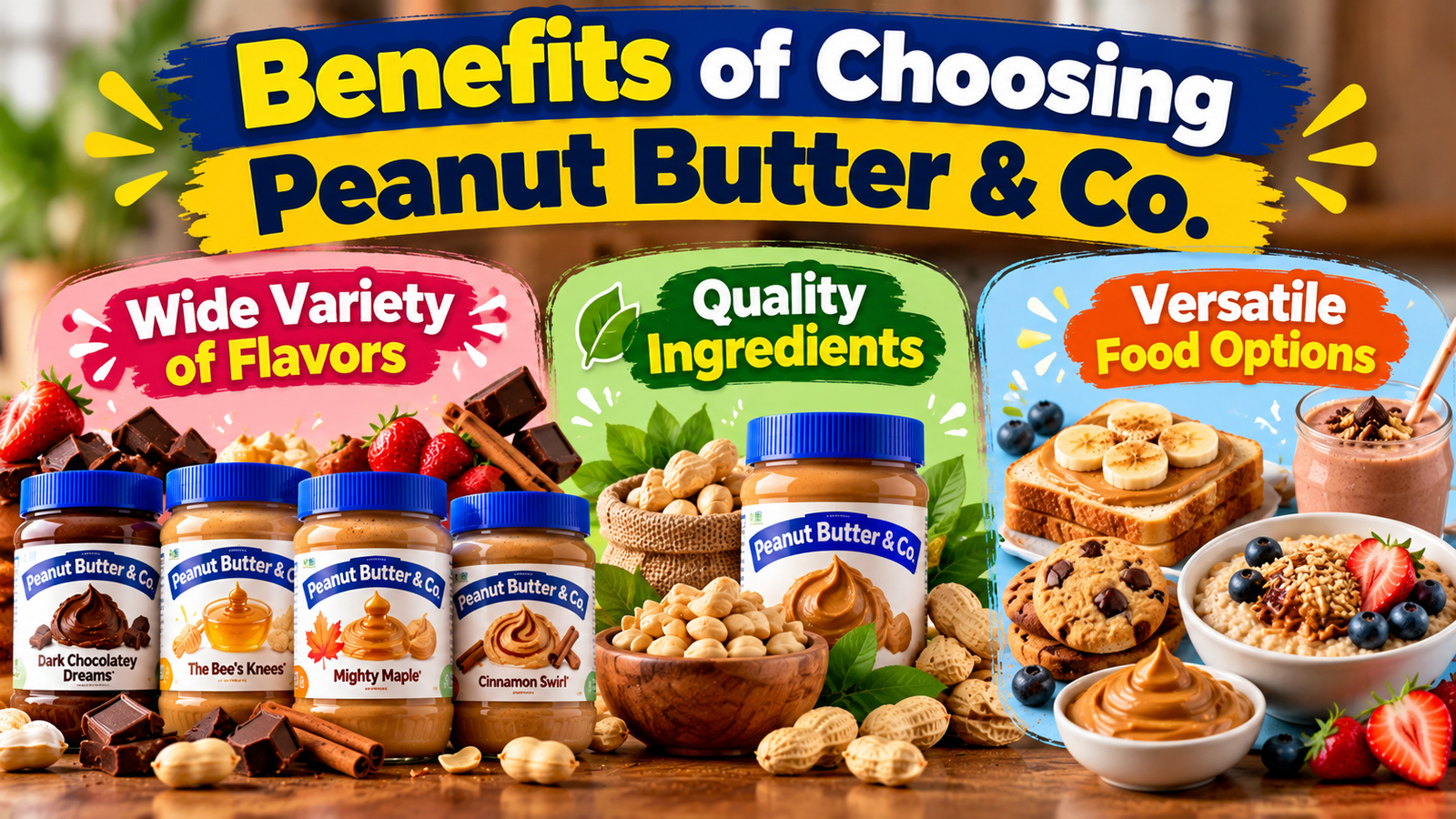
Wide Variety of Flavors
Peanut Butter & Co. offers classic spreads and creative flavors, giving customers more options for sandwiches, snacks, and desserts.
Quality Ingredients
The brand highlights its use of USA-grown peanuts and provides ingredient information to help customers make informed purchasing decisions.
Versatile Food Options
Its peanut butter can be enjoyed with toast, fruit, oatmeal, smoothies, and baked goods, making it useful for everyday meals and snacks.
Target Audience of Peanut Butter & Co.
Understanding the target audience helps explain how a brand attracts customers. Peanut Butter & Co. appeals to people who enjoy peanut butter but want more variety than traditional spreads may offer. Its products can interest families, students, busy professionals, home cooks, and consumers who enjoy experimenting with different flavors.
The brand’s flavored products may appeal to customers looking for convenient breakfast options, quick snacks, or dessert ingredients. Meanwhile, consumers who prefer simpler formulations can explore suitable products by checking ingredient labels. This range allows the company to serve different preferences without relying on a single product type.
Marketing Strategies That Help the Brand Stand Out
Effective marketing helps customers recognize a brand and understand what makes its products different. Peanut Butter & Co. benefits from a distinctive name, memorable flavor descriptions, and packaging that highlights its product range. These elements make it easier for shoppers to distinguish its spreads from conventional peanut butter options.
Digital marketing provides further opportunities to engage consumers. Recipes, product demonstrations, food photography, and social media posts can show customers how to use different flavors in everyday meals. Search engine optimization can also help the brand reach people searching for peanut butter reviews, flavor comparisons, and recipe ideas. A combination of product quality and useful online content can help build awareness and encourage repeat purchases.
Also Read
Comparing Popular IQAir Air Purifiers for Different Home Environments
A Beginner’s Guide to Convenient Grocery Shopping with Walmart Online Grocery
Everything You Need to Know About Breeze Before Choosing It
Essential Features to Consider When Choosing MH Themes
World Of Warships Explained: Ships, Battles, Modes, and More
Sustainability and Responsible Sourcing
Sourcing practices are becoming an important consideration for many food consumers. Peanut Butter & Co. highlights its use of USA-grown peanuts and its connection with farming through its Farmer & Friends range. These initiatives provide opportunities to communicate the origins of its ingredients and the role of agricultural communities in food production.
Responsible sourcing also requires clear communication. Customers benefit when companies explain where ingredients come from and provide accurate information about their production practices. By maintaining transparency and developing strong relationships with suppliers, Peanut Butter & Co. can strengthen consumer trust. However, shoppers should evaluate specific environmental and sourcing claims individually rather than assuming every product has the same sustainability credentials.
Nutrition, Convenience, and Everyday Use
Peanut butter is popular partly because it is convenient and versatile. It can be spread on toast, mixed into oatmeal, added to smoothies, or used in sauces and baking. Peanut butter also naturally provides plant-based protein and fat, although its precise nutritional profile depends on the formulation and serving size.
Peanut Butter & Co. connects with these everyday uses while offering options for people who want additional flavor. Its product portfolio has also included Mighty Nut powdered peanut butter, which was developed as an alternative format for customers interested in mixing peanut butter flavor into drinks, recipes, and other foods.
Challenges and Opportunities
Despite its distinctive product range, Peanut Butter & Co. faces several challenges. Established brands such as Jif and Skippy benefit from broad distribution and strong consumer familiarity, while specialty competitors offer their own natural ingredients, premium flavors, and health-focused products. Market research also identifies product innovation, distribution expansion, and changing consumer preferences as important competitive factors.
The company has opportunities to strengthen its position by developing new flavors, improving online visibility, and communicating its sourcing practices. Its Farmer & Friends range offers another point of differentiation because it uses peanuts grown on the company’s Arkansas farm and by neighboring growers. The brand describes this initiative as a way to build a closer connection between consumers, farming, and food production.
Conclusion
Peanut Butter & Co. stands out by combining creative flavors, ingredient transparency, and a distinctive brand story. Its journey from a New York sandwich shop to a specialty peanut butter brand reflects a strategy built around making a familiar food more exciting.
Its USA-grown peanuts, family-owned identity, varied product range, and commitment to ingredient-conscious choices give it a recognizable position in the market. Although competition from large manufacturers and other specialty brands remains strong, the company can continue to differentiate itself through product innovation, customer engagement, and responsible sourcing.
Ultimately, its competitive advantage comes from offering customers more than a basic spread: it offers variety, convenience, and new ways to enjoy peanut butter.
Frequently Asked Questions
The brand combines traditional peanut butter with creative flavors, ingredient-focused product choices, and a family-owned identity. Its specialty varieties appeal to customers looking for alternatives to standard spreads.
Peanut Butter & Co. began in 1998 as a peanut butter sandwich shop in New York City. The founders started making their own spreads to offer the flavors and ingredients they wanted.
Popular options include Dark Chocolatey Dreams, White Chocolatey Wonderful, The Bee's Knees, Mighty Maple, and Cinnamon Swirl. Availability may vary by retailer and product line.
Yes. The company states that it uses USA-grown peanuts in its products. Its Farmer & Friends line also features peanuts grown on its Arkansas farm and by neighboring growers.
It differentiates itself through distinctive flavors, ingredient transparency, specialty products, and brand storytelling. Rather than competing only on price and distribution scale, it aims to attract customers who value variety and a more specialized product experience.
Table of Contents
Related Post

The Ultimate Guide to Choosing the Best Anolon Cookware for Your Kitchen
admin
October 18, 2026
Read More »

Comparing Popular IQAir Air Purifiers for Different Home Environments
admin
October 17, 2026
Read More »

Top Reasons to Explore Rachael Ray Cookware and Kitchen Accessories
admin
October 16, 2026
Read More »

What Makes Waterdrop (US) Different? A Guide to Its Products and Benefits
admin
October 16, 2026
Read More »

How Does Uber Eats Global Delivery Work Across Different Countries?
admin
October 15, 2026
Read More »