
Comparexpert
Comparison Between Company


What You Should Know About AKKO Before Protecting Your Gadgets
Learn what you should know about AKKO before protecting your gadgets. Explore AKKO coverage, costs, deductibles, claims, exclusions, and key benefits to decide if it’s the right protection for your devices.
Table of Contents
What Is AKKO?
AKKO is a device protection provider designed to help consumers reduce the financial impact of accidental damage and other covered problems involving their electronics. Instead of paying the entire repair or replacement bill yourself, customers pay for a protection plan and may pay a deductible when they make a covered claim. This approach can be useful when you own expensive gadgets that would be costly to repair after an accident. The basic idea is similar to other protection services: you pay a smaller predictable amount in exchange for help with potentially larger unexpected expenses.
One of the things that makes AKKO interesting is its focus on protecting multiple personal devices rather than limiting protection to a single type of product. Depending on the plan and eligibility requirements, customers can protect devices such as smartphones, computers, tablets, cameras, gaming equipment, and other electronics. This can make a multi-device protection plan appealing to households with several expensive gadgets. Still, a protection plan should be evaluated according to the actual terms rather than the headline price because coverage, deductibles, limits, and exclusions can affect its real value.
How AKKO Gadget Protection Works
The process is relatively straightforward. You select an eligible device or plan, pay the required premium, and maintain the coverage according to the policy terms. If a covered incident happens, you submit a claim and provide the information required by AKKO. After the claim is reviewed and approved, the device may be repaired, replaced, or otherwise handled according to the applicable terms.
That sounds simple, but there is an important distinction between having protection and having every problem covered. Insurance and protection plans always operate within specific rules. For example, normal wear, intentional damage, certain types of loss, or other excluded situations may not qualify. Reading the current terms before purchasing is therefore just as important as comparing prices.
What Types of Gadgets Can AKKO Protect?
One of AKKO’s main attractions is its broad approach to electronics protection. Rather than thinking only about smartphone insurance, consumers can look at protection across several categories of personal technology. This can be especially useful for people who depend heavily on electronics for work, study, entertainment, photography, or communication. A broken phone is inconvenient, but replacing a premium laptop, camera, or gaming device can create a much larger financial problem.
Phones, Laptops, Tablets, and More
Smartphones are obvious candidates for protection because they are carried everywhere and frequently exposed to drops, spills, cracked screens, and other accidents. Laptops and tablets can also be vulnerable because they travel between home, school, offices, cafés, and other locations. Cameras and gaming equipment may have different risks, but their repair or replacement costs can also be significant.
Before purchasing, check whether your exact device model and purchase circumstances satisfy AKKO’s current eligibility requirements. Do not assume that every electronic product automatically qualifies simply because it falls into a general category. Device age, ownership, condition, documentation, and other requirements can affect eligibility.
What Does AKKO Protection Cover?
The most important question is not simply, “How much does AKKO cost?” It is “What will AKKO actually pay for if something goes wrong?” Coverage can vary according to the protection product and its terms, so consumers should review the current agreement before making a decision. Generally, the value of gadget protection comes from transferring some of the financial risk associated with accidental damage and other covered events.
For example, imagine dropping a laptop and damaging its display. Without protection, you may have to pay the entire repair bill. With an applicable protection plan, you could instead pay the required deductible while the covered repair is handled according to the plan. The savings can be meaningful when the repair cost is high.
Accidental Damage and Breakdowns
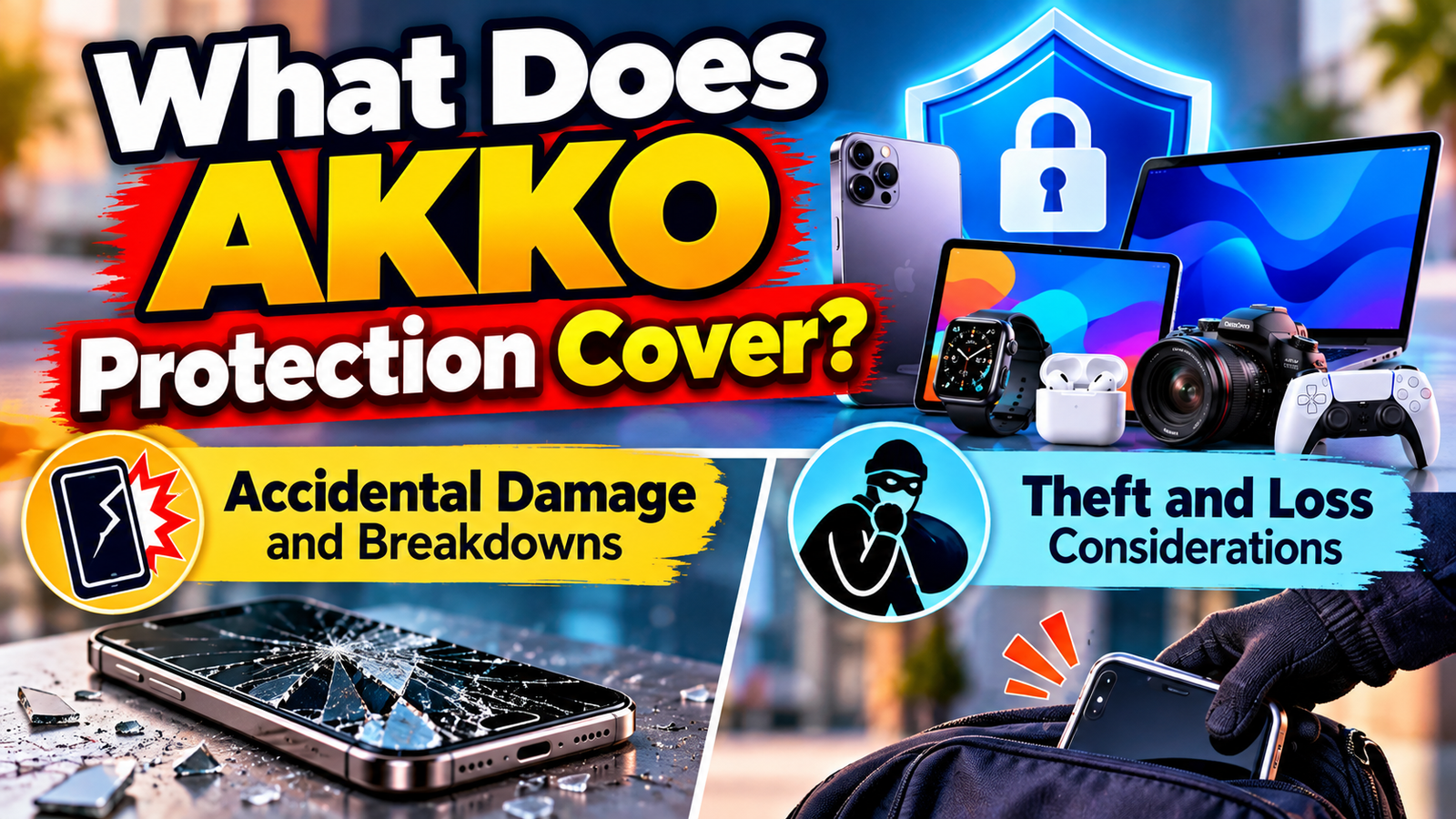
Accidental damage is one of the biggest reasons consumers consider gadget protection. Electronics can be damaged through everyday accidents, such as drops, impacts, or liquid exposure. A protection plan can provide financial assistance when those incidents fall within the covered causes of loss.
Some protection arrangements may also address mechanical or electrical failures, depending on the specific plan. This distinction matters because an accidental break and a hardware failure are not necessarily treated in exactly the same way. Always check the applicable terms instead of assuming that one type of coverage automatically includes another.
Theft and Loss Considerations
Theft and loss are particularly important when evaluating smartphone or portable-device protection. Losing an expensive phone can be frustrating because there is no damaged device to repair. Theft presents a different situation again because documentation and specific claim requirements may apply.
Consumers should carefully determine whether loss and theft protection is included in the particular AKKO coverage they are considering. If it is included, examine the conditions attached to it. If it is excluded or limited, you may need a different type of protection for that particular risk.
AKKO Deductibles and Protection Costs
Price comparisons can be misleading if you look only at the monthly or annual premium. A better comparison considers the total potential cost of ownership, including the premium, deductible, coverage limits, and the likelihood of making a claim. A cheaper plan with a high deductible may not always be the best value for a device that is expensive to repair.
Think of the premium as the regular cost of keeping the protection active, while the deductible is the amount you may have to contribute when a covered claim occurs. If a device costs $1,500 and a covered repair costs several hundred dollars, the deductible can strongly influence whether the protection feels worthwhile.
Why the Deductible Matters
Suppose two protection plans have similar monthly prices but different deductibles. Plan A might appear attractive initially, while Plan B could provide a lower out-of-pocket cost when something happens. If you are primarily buying protection for major unexpected expenses, the deductible deserves as much attention as the monthly price.
It is also useful to think about your personal risk. Someone who carries a phone everywhere, travels frequently, or regularly uses a laptop outdoors may face more opportunities for accidental damage than someone who rarely moves their devices. Your usage pattern should influence whether the cost of protection makes sense.
AKKO vs. Manufacturer Protection
Manufacturer protection and third-party protection solve related problems but are not necessarily identical. A manufacturer program may be closely integrated with the brand’s repair network, technicians, parts, and warranty systems. Third-party protection may offer a broader approach that can include devices from different manufacturers.
This is where AKKO can be attractive for people who own a mixture of electronics. Instead of purchasing separate protection products for every brand, a consumer may prefer one service that handles multiple eligible devices. However, manufacturer plans can sometimes offer benefits that are particularly convenient for owners who want repairs performed directly through the original brand.
The right choice depends on what matters most to you: price, convenience, device coverage, repair options, theft protection, deductibles, or multi-device flexibility.
AKKO Claims and Repairs
A protection plan is only as valuable as the experience you receive when you actually need it. Before purchasing, it is sensible to understand how AKKO handles claims and what documentation may be required. Consumers should expect to provide information about the device and the incident and may need to complete additional steps before a claim is approved.
The exact outcome can depend on the circumstances and policy terms. An approved claim might result in repair, replacement, reimbursement, or another remedy specified by the applicable agreement. This means you should not automatically assume that a damaged device will always be replaced with a brand-new model.
What to Expect When Filing a Claim
When something happens, report the incident as soon as reasonably possible and provide accurate information. Keep purchase records, serial numbers, photographs, receipts, and other useful documentation where possible. Having this information available can make the claims process easier.
You should also avoid attempting expensive repairs yourself before receiving instructions from the protection provider. Unauthorized repairs can potentially affect a claim depending on the terms. Following the claim instructions carefully is one of the simplest ways to avoid unnecessary complications.
Important AKKO Exclusions to Check
Every protection plan has boundaries. These boundaries are important because consumers sometimes focus heavily on advertised benefits while overlooking exclusions. Before paying for AKKO protection, read the current terms and conditions and look specifically for excluded events, device eligibility rules, claim limits, waiting periods, maintenance requirements, and circumstances that could invalidate coverage.
Some examples of issues that may require special attention include intentional damage, cosmetic damage that does not affect functionality, unauthorized modifications, certain forms of loss, and damage caused under excluded circumstances. The exact exclusions depend on the specific protection agreement, so they should be verified rather than assumed.
Another important consideration is pre-existing damage. Protection is generally designed to cover eligible incidents occurring after coverage begins, not damage that already exists. If a device already has a cracked screen or another significant defect, do not assume that buying protection afterward will make that problem eligible for repair.
Is AKKO Worth It for Your Gadgets?
Whether AKKO is worth it depends on your devices, budget, risk level, and tolerance for unexpected repair bills. If you own several expensive gadgets and regularly carry them around, protection may provide useful financial security. Someone with a $1,500 laptop and a premium smartphone may have more reason to consider protection than someone using inexpensive devices that would be relatively cheap to replace.
The decision becomes easier when you calculate the potential cost rather than relying on emotion. Add up the annual protection cost, possible deductibles, and your likely risk of experiencing a covered event. Then compare that figure with the potential repair or replacement cost of your devices.
Factor | What to Consider |
Device value | How expensive would replacement be? |
Premium | What will you pay to maintain coverage? |
Deductible | How much might you pay per approved claim? |
Coverage | Which types of damage or loss are covered? |
Exclusions | Which situations are specifically excluded? |
Claim limits | Are there restrictions on the number or value of claims? |
Convenience | How easy is the claims and repair process? |
Multi-device protection | Can several eligible devices be covered efficiently? |
Things to Check Before Buying AKKO Protection
Before choosing AKKO gadget protection, take a few minutes to understand what you are actually getting. Don’t focus only on the advertised price. Check the coverage details, deductible, claim limits, eligible devices, exclusions, and the conditions that apply when you file a claim. A protection plan can look inexpensive at first but may offer a different value once you consider the amount you would pay during a claim.
It is also a good idea to compare AKKO with the protection already available through your device manufacturer, retailer, credit card, or existing insurance policy. You may already have some level of coverage without realizing it. Comparing these options can help you avoid paying twice for similar protection.
Pros and Cons of AKKO
AKKO has several characteristics that can make it appealing, particularly for people with multiple electronics. Its broader device-protection approach can simplify coverage compared with purchasing separate plans for every gadget. Another potential advantage is the ability to protect expensive electronics against risks that ordinary manufacturer warranties may not cover.
There are also reasons to be cautious. Coverage details matter, and a protection plan is not the same thing as unlimited repair or replacement. Deductibles, exclusions, eligibility requirements, claim limits, and policy conditions can affect the real value. Consumers should therefore compare AKKO with manufacturer protection, retailer plans, homeowners or renters insurance, and simply self-insuring through an emergency fund.
Pros | Cons |
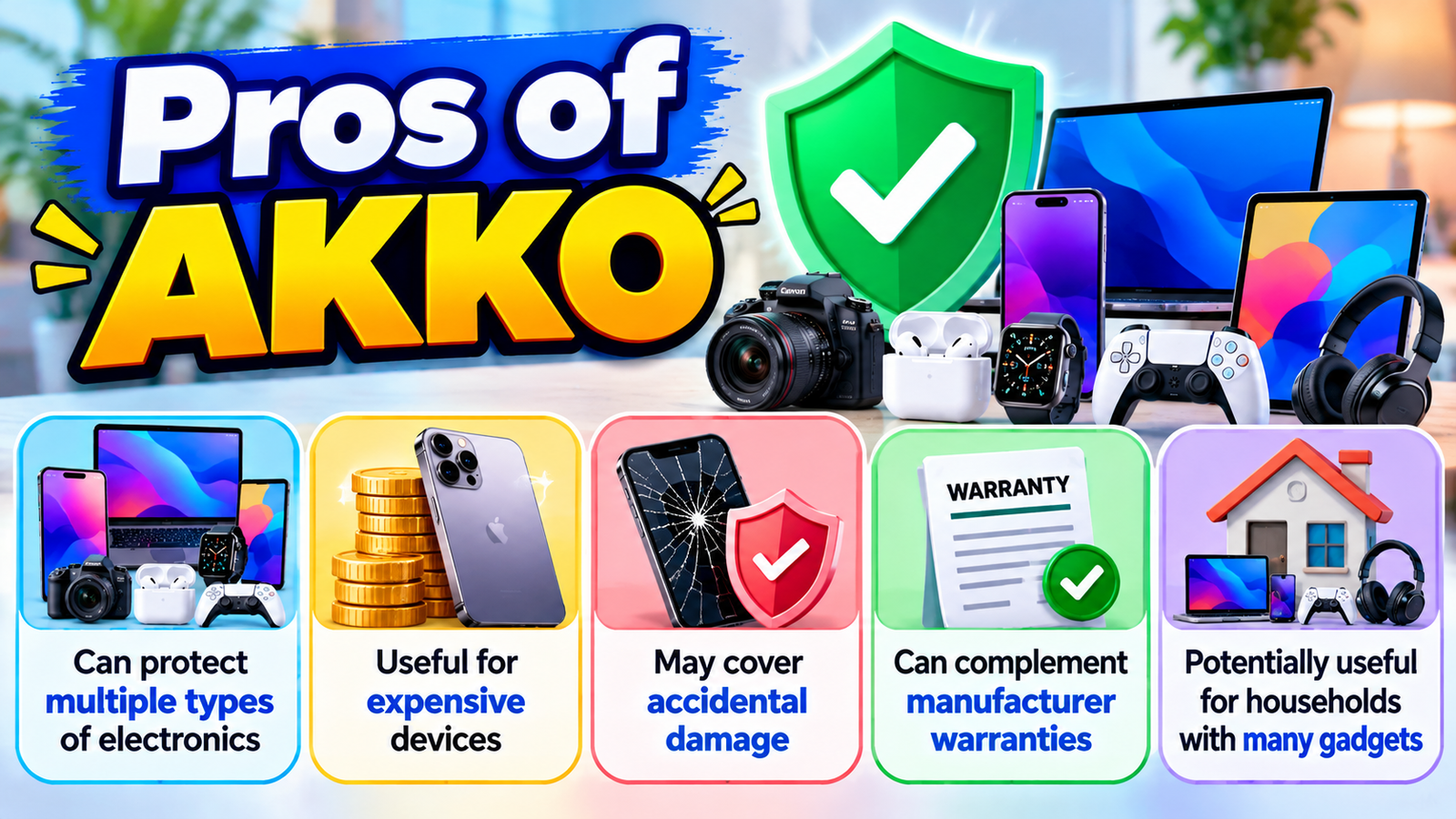
Can protect multiple types of electronics | Coverage depends on specific terms |
Useful for expensive devices | Deductibles can add to claim costs |
May cover accidental damage | Not every type of damage is necessarily covered |
Can complement manufacturer warranties | Third-party claims may involve additional steps |
Potentially useful for households with many gadgets | Plan value depends heavily on device usage and risk |
Why Protecting Expensive Gadgets Can Make Sense
Modern gadgets are not cheap. A premium smartphone, laptop, camera, tablet, or gaming device can cost hundreds or even thousands of dollars. A single accidental drop or liquid spill can turn a useful device into an expensive repair problem.
This is where AKKO device protection may become useful. Instead of handling the entire unexpected cost yourself, an eligible protection plan can help reduce the financial impact of certain covered incidents. The value becomes particularly important for people who own several expensive devices or frequently carry their electronics outside the home.
AKKO for People With Multiple Devices
One reason consumers may consider AKKO is the possibility of protecting multiple types of electronics. People today rarely own just one gadget. A typical household might have smartphones, laptops, tablets, cameras, gaming devices, and other personal electronics.
Managing separate protection plans for every device can become confusing. A multi-device approach can make it easier to organize protection, but you should still check the current terms for each device and understand whether any coverage limits apply. The most important question is simple: does the protection you are paying for match the devices and risks you actually have?
Also Read
A Beginner’s Guide to VirtualPBX and Cloud-Based Phone Systems
What to Consider Before Choosing NordVPN for Your Devices
Essential Trading Concepts You Need to Know About Square Off
Common Challenges Faced by Instacart – Shoppers and How to Handle Them
Why Professional Creators Are Turning to JOBY for Better Content
AKKO vs. Paying for Repairs Yourself
Some people prefer to skip protection plans and simply save money for future repairs. This can work well if you have inexpensive devices or enough savings to comfortably replace a damaged gadget.
However, self-insurance becomes more difficult when you own several high-value electronics. Imagine having a premium laptop and smartphone fail within the same year. Having to pay for both repairs or replacements at once could put pressure on your budget. AKKO protection may be worth considering when you want to reduce that type of financial uncertainty.
Keep Your Purchase Information Safe
Regardless of whether you choose AKKO or another protection provider, keeping your purchase records organized is a smart habit. Store receipts, invoices, device serial numbers, model information, and other important documentation in a secure location.
These details can become useful if you ever need to prove ownership or provide information during a claim. Taking a few minutes to organize this information when you purchase a gadget can save considerable time later.
Conclusion
AKKO can be an interesting option for consumers who want additional protection for expensive electronics, especially when they own several different types of gadgets. The biggest mistake is choosing a protection plan based only on its advertised price. Instead, look at the coverage, deductible, exclusions, eligibility requirements, claim process, and potential repair or replacement benefits.
Before purchasing, calculate what you could realistically afford to pay if your device breaks tomorrow. Then compare that amount with the ongoing cost of protection. If AKKO’s coverage matches your risks and the potential savings justify the cost, it may provide useful peace of mind. If your devices are inexpensive or already adequately protected, saving the premium and handling repairs yourself may make more financial sense.
Frequently Asked Questions
No. AKKO's protection offering is designed around multiple categories of consumer electronics, although eligibility can depend on the specific device and plan. Always check the current terms for your particular gadget.
Accidental damage can be covered under applicable protection plans, but the exact conditions and exclusions depend on the plan. Review the current policy before purchasing.
The answer depends on the specific protection product and coverage selected. Consumers should verify whether theft or loss is included and review any requirements associated with those claims.
Not necessarily. AKKO may be attractive for people who want broader protection across different electronics, while manufacturer protection can provide convenient brand-specific repair services. Compare coverage, price, deductible, and exclusions before choosing.
It can be worth considering if repairing or replacing the laptop would create a significant financial burden. Compare the protection cost and deductible with the laptop's value and your likelihood of accidental damage before making the decision.
Table of Contents
Related Post