
Comparexpert
Comparison Between Company


What Investors Should Know Before Choosing Hargreaves Lansdown

Discover what investors should know before choosing Hargreaves Lansdown. Explore its investment options, fees, account types, research tools, customer support, and key advantages and disadvantages to help you decide whether it is the right investment platform for your financial goals.
Table of Contents
Introduction to Hargreaves Lansdown
Hargreaves Lansdown is a well-known UK investment platform that allows individuals to manage investments, save for retirement, and build long-term wealth. Investors can choose from a wide range of investment products, including shares, funds, exchange-traded funds (ETFs), and tax-efficient accounts. The platform also provides market research, investment information, and tools to help users make informed decisions.
Before choosing Hargreaves Lansdown, investors should look beyond its reputation and examine its fees, available investments, customer support, and account features. A platform that works well for one investor might not suit another. For example, someone investing a small amount each month may have different priorities from someone managing a large retirement portfolio. Understanding these differences can help you decide whether HL fits your financial goals.
Investment Accounts and Services
Hargreaves Lansdown offers several account types designed for different financial needs. Depending on your goals, you can invest through a Stocks and Shares ISA, a Self-Invested Personal Pension (SIPP), a Lifetime ISA, or a general Fund and Share Account. Each account has different tax rules, eligibility requirements, and potential benefits.
Choosing the right account is just as important as choosing your investments. An ISA may suit someone who wants tax-efficient investing, while a SIPP is designed for retirement savings. A general investment account can offer more flexibility when you have already used your ISA allowance. Review the official HL account options before deciding which account best suits your circumstances.
Stocks and Shares ISA
A Stocks and Shares ISA allows eligible UK investors to invest without paying UK income tax or capital gains tax on returns within the account, subject to applicable rules. HL allows investors to select their own investments or consider ready-made options. For the 2026/27 UK tax year, the annual ISA allowance is £20,000 across eligible adult ISA subscriptions.
This account can be useful for people building wealth over several years. However, tax advantages do not remove investment risk, and the value of your portfolio can fall. Before investing, consider your time horizon, financial goals, and ability to withstand losses.
Self-Invested Personal Pension (SIPP)
A SIPP gives investors more control over how their pension savings are invested. With HL, eligible investors can select investments from the platform’s available range and manage their retirement portfolio online. Pension contributions may qualify for tax relief, depending on individual circumstances and applicable UK pension rules.
The main consideration is accessibility. Pension savings are generally locked away until the minimum pension access age, which is scheduled to rise to 57 from April 2028, subject to exceptions. A SIPP may be appropriate for long-term retirement planning, but investors should understand the charges, tax rules, and investment risks before transferring an existing pension.
Fees, Charges, and Investment Costs
Fees are among the most important factors to compare when selecting an investment platform. Even small recurring charges can reduce your returns over time, particularly when your portfolio grows. Hargreaves Lansdown updated its pricing from 1 March 2026, reducing certain account and dealing charges. Its published Stocks and Shares ISA pricing includes a 0.35% annual charge on funds up to £250,000, with lower percentage rates at higher tiers.
Here is a simplified overview of key charges published by HL:
Charge type | Published fee |
Fund account charge up to £250,000 | 0.35% annually |
Online fund trade | £1.95 per trade |
Online share trade for 0–19 trades in the previous month | £6.95 per trade |
Online share trade for 20 or more trades in the previous month | £3.95 per trade |
Monthly regular investing in eligible investments | No dealing charge |
These figures are based on HL’s published pricing and may differ by account type or investment. Additional costs can include fund management fees, foreign exchange charges, taxes, and market spreads. Review the latest HL fees and charges before opening an account, especially if you plan to trade frequently or invest in overseas shares.
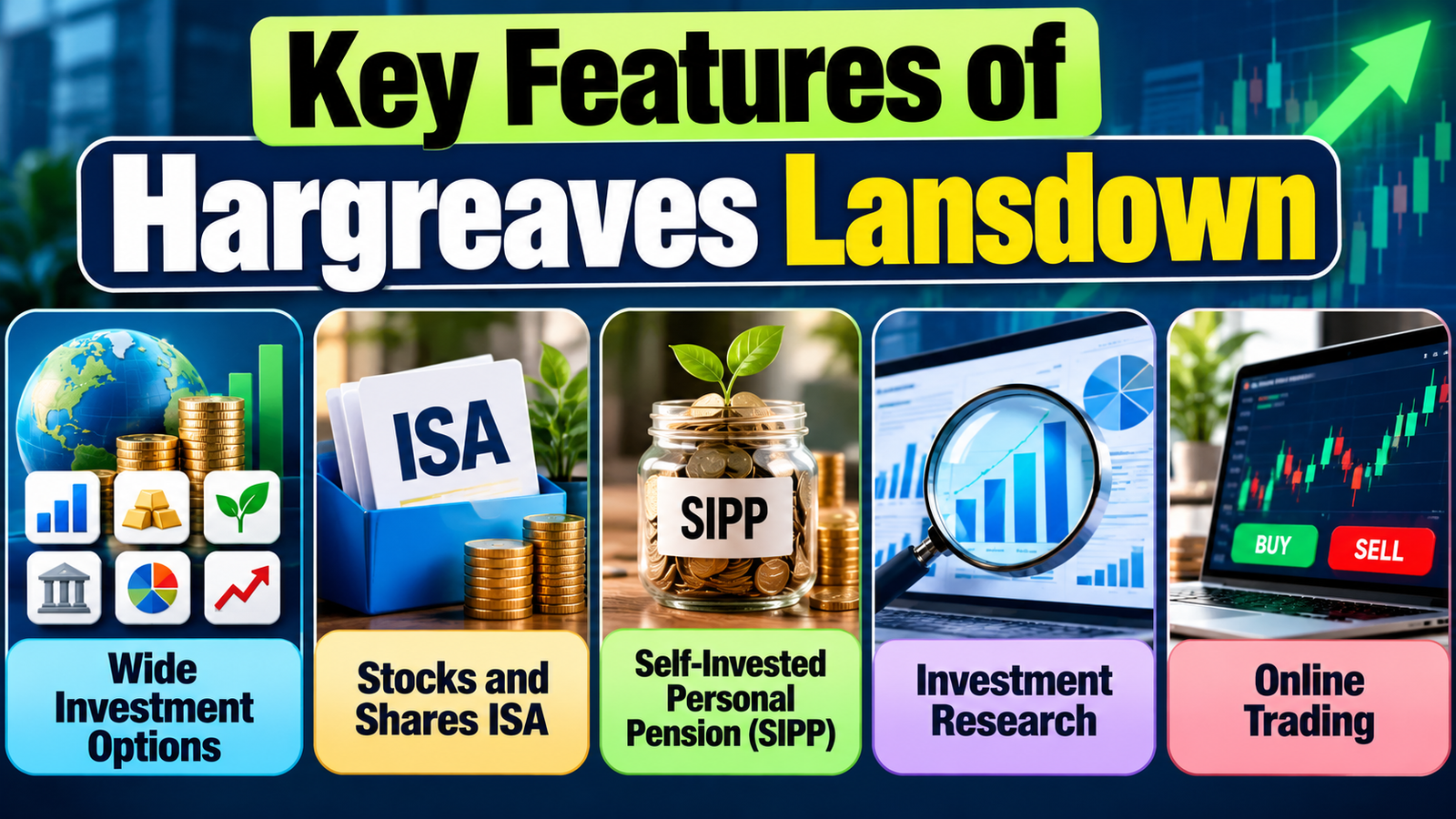
Key Features of Hargreaves Lansdown
1. Wide Investment Options: Invest in shares, funds, ETFs, investment trusts, and other available securities.
2. Stocks and Shares ISA: Access a tax-efficient investment account for eligible UK investors.
3. Self-Invested Personal Pension (SIPP): Manage pension investments and plan for retirement.
4. Investment Research: Access market news, fund information, investment insights, and educational resources.
5. Online Trading: Buy and sell eligible investments through the online platform.
Investment Options and Fund Choices
Investment choice is another major consideration when evaluating Hargreaves Lansdown. The platform provides access to a broad selection of funds and market-traded investments, giving investors the flexibility to build portfolios according to their preferences. Options can include individual company shares, ETFs, investment trusts, bonds, and funds covering different markets and asset classes.
A wide selection is helpful, but it can also make decisions more complicated for beginners. Instead of selecting investments simply because they appear popular, consider diversification, investment costs, risk levels, and your long-term objectives. Research each investment carefully and remember that past performance does not guarantee future results.
Platform Usability and Mobile App
An investment platform should make it easy to review holdings, monitor performance, and place transactions. Hargreaves Lansdown provides online account access and a mobile app that can help investors manage their portfolios without relying entirely on a desktop computer.
Convenience, however, should not be confused with investment quality. Before choosing HL, review its available app features, account statements, transaction process, and security settings. If you expect to invest regularly, consider whether the platform makes recurring contributions and portfolio monitoring straightforward. A simple user experience can be valuable, but it should be assessed alongside charges and investment options.
Research Tools and Investment Guidance
HL offers investment research, market commentary, educational resources, and information about individual investments. These materials can help investors understand market developments and compare potential opportunities before making decisions.
However, research is not a guarantee of returns, and market commentary should not replace independent judgement. Investors should check the assumptions behind recommendations, compare information from reliable sources, and understand the risks associated with each investment. Those who need personalised financial advice should distinguish general educational content from regulated advice tailored to their individual circumstances.
Customer Service and Support
Customer service can become especially important when transferring investments, resolving account problems, or understanding pension arrangements. Hargreaves Lansdown provides customer support through its UK-based helpdesk, alongside online information and account resources.
Before opening an account, consider how you prefer to receive assistance. Some investors value speaking with a person, while others prefer managing everything online. It is also sensible to review recent customer feedback and check the support available for your particular account type. Good customer service can make account management easier, but it does not remove the need to understand the platform’s terms and conditions.
Security and Regulatory Protection
Security should be a priority whenever you entrust a financial company with your investments. Hargreaves Lansdown states that its investment business is regulated by the UK’s Financial Conduct Authority (FCA) and that client money and assets are handled under applicable safeguarding rules. Eligible claims may also qualify for Financial Services Compensation Scheme (FSCS) protection, subject to the scheme’s limits and conditions.
Investors should understand an important distinction: regulatory protection does not insure you against normal market losses. If your investments decline because share prices fall or a fund performs poorly, compensation generally does not cover that loss. Check the current FSCS rules, use strong account security, and remain alert to suspicious messages or requests for personal information.
Minimum Investment Requirements
Before opening an account with Hargreaves Lansdown, investors should check the minimum investment requirements for their chosen account and investment type. The platform offers options for investors with different financial goals, including those who prefer making regular contributions. Understanding the minimum amount required can help you plan your budget and avoid committing more money than you can comfortably afford.
If you are a beginner, consider starting with an amount that suits your financial situation. Keep emergency savings separate from your investments, and remember that investment values can rise or fall. Always review the latest account terms before getting started.
How Easy Is It to Open an Account?
Hargreaves Lansdown allows eligible customers to open and manage investment accounts online. The process generally involves providing personal details, completing identity checks, selecting an appropriate account, and funding it. The documents and information required may vary depending on the account type and your circumstances.
Before applying, make sure you understand the account’s fees, tax rules, and investment options. If you are transferring investments from another provider, review the transfer process carefully. Taking these steps can help you choose the right account and make the onboarding process smoother.
Pros and Cons of Hargreaves Lansdown
Before making a decision, weigh the platform’s advantages against its potential drawbacks.
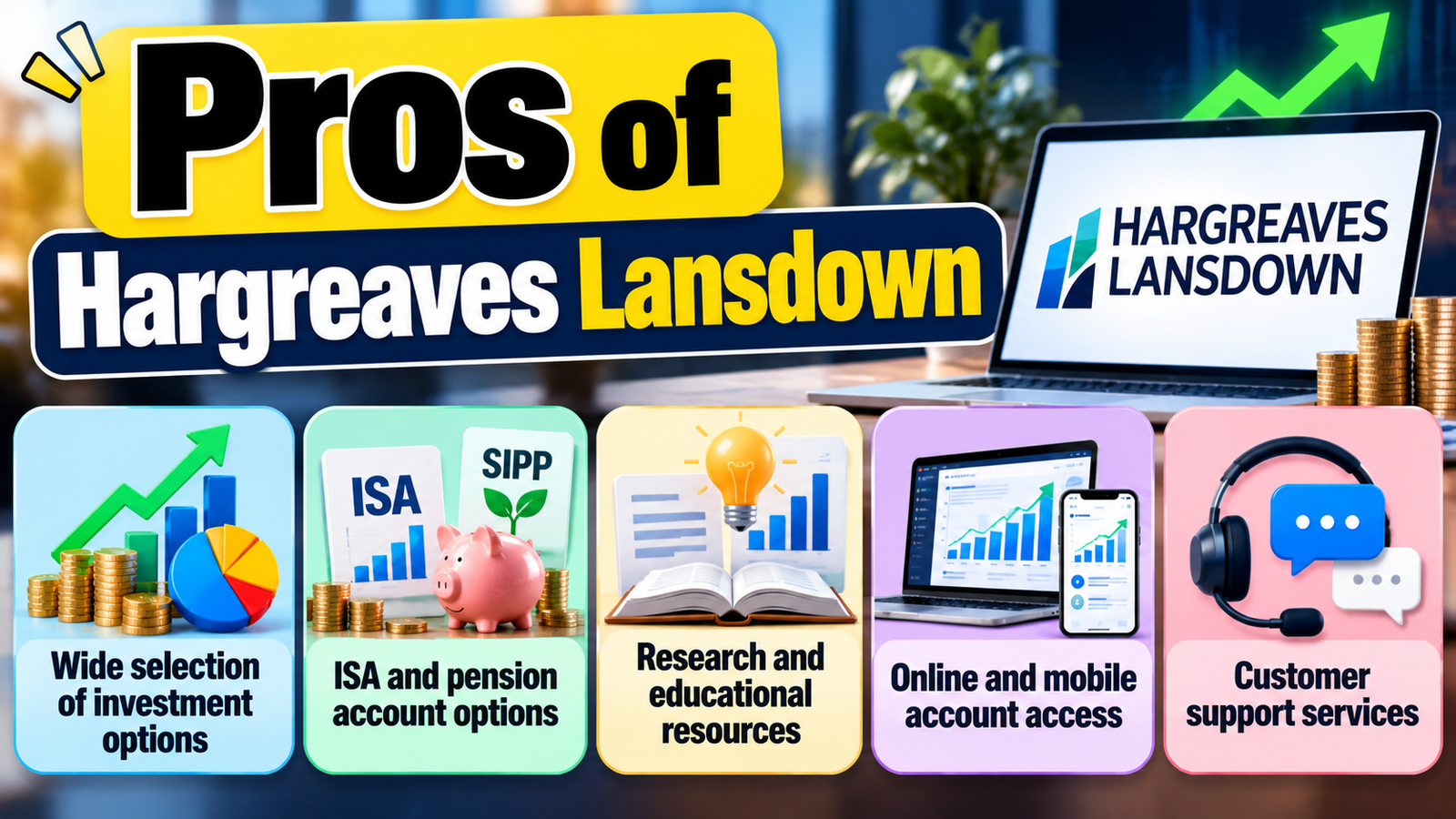
Pros | Cons |
Wide selection of investment options | Charges may be higher than some alternatives for certain portfolios |
ISA and pension account options | Dealing fees can affect frequent traders |
Research and educational resources | Extensive investment choice may overwhelm beginners |
Online and mobile account access | Overseas investments may involve additional costs |
Customer support services | Investment losses remain the investor’s responsibility |
The importance of each point depends on your needs. Someone who values research and support may consider the overall service worthwhile, while a cost-focused investor may prefer a simpler, lower-cost platform. Compare the total cost of holding your actual investments rather than judging a provider by a single advertised fee.
Who Should Consider Hargreaves Lansdown?
Hargreaves Lansdown may appeal to investors who want access to a broad range of investments and prefer managing their own portfolios. It may also suit people who value research resources, retirement account options, and access to customer support. Long-term investors who make regular contributions may benefit from reviewing the platform’s recurring investment facilities and applicable charges.
It may be less suitable for investors whose main priority is finding the lowest possible cost for every transaction. Beginners should also consider whether they are comfortable making investment decisions independently. Your ideal platform should reflect your experience, financial circumstances, preferred investments, and willingness to manage risk.
Hargreaves Lansdown vs. Other Investment Platforms
Comparing Hargreaves Lansdown with other investment providers can help you understand whether its services justify the cost. Platforms differ in their account charges, trading fees, investment ranges, research tools, and customer support. Some focus on low-cost investing, while others offer a more comprehensive service.
Comparison factor | Hargreaves Lansdown | What to check elsewhere |
Investment choice | Broad selection | Available markets and funds |
Account charges | Depends on account and holdings | Flat fees or percentage fees |
Trading fees | Charges apply to many individual trades | Free or lower-cost trading options |
Research | Research and market commentary | Quality of educational resources |
Customer support | Helpdesk and online support | Available support channels |
Tax-efficient accounts | Includes ISA and pension options | Eligibility and account availability |
Also Read
Expert Tips for Savvy Car Insurance Savings When Comparing Insurance Policies
Why TransferGo Is Worth Considering for International Transfers
A Beginner’s Guide to VirtualPBX and Cloud-Based Phone Systems
Key Things to Consider When Shopping on Kogan Australia
How Miro Can Improve Brainstorming and Project Planning
Common Mistakes Investors Should Avoid
One common mistake is choosing a platform based only on its brand reputation. A respected provider may still have fees or features that do not suit your requirements. Another mistake is ignoring ongoing charges, which can gradually reduce the amount of money available to compound over time.
Investors should also avoid selecting investments without understanding their risks. Diversification, a suitable time horizon, and an emergency savings fund can help support a more sensible financial plan. Before transferring an existing ISA or pension, check the transfer process, possible exit costs, investment restrictions, and any benefits you could lose. Taking time to review these details can prevent unnecessary complications later.
Tips for Choosing the Right Investment Platform
Start by defining what you want to achieve. You might be investing for retirement, building long-term savings, generating income, or creating a diversified portfolio. Your goals will influence which account type, investment range, and platform features matter most.
Next, compare the full cost of investing, including account charges, dealing fees, fund expenses, foreign exchange costs, and any additional service fees. Check whether the platform offers the investments you want and whether you can manage your account comfortably. Finally, review its security arrangements and support options before committing your money.
A useful approach is to compare at least two or three providers using the same portfolio assumptions. This makes it easier to identify meaningful differences rather than relying on marketing claims.
Is Hargreaves Lansdown Worth Considering?
Hargreaves Lansdown is worth considering if you want a well-established UK investment platform with a wide investment range, research resources, and different account options. Its updated pricing from March 2026 may make certain investments more cost-effective than under its previous fee structure, although the overall value depends on your portfolio and trading activity.
However, there is no single best platform for every investor. Before opening an account, compare the current charges, check that the services meet your needs, and ensure you understand the risks of investing. A platform should support your financial strategy rather than determine it.
Conclusion
Choosing Hargreaves Lansdown requires more than looking at its reputation or available investments. Investors should carefully review account types, ongoing fees, dealing costs, research tools, customer support, and regulatory protections before making a decision.
For investors who value investment choice and research, HL may be a suitable option. Those who prioritise the lowest possible costs should compare alternatives carefully. Ultimately, the right platform is one that fits your financial goals, investment experience, and long-term plans.
Frequently Asked Questions
It can be suitable for beginners who want access to investment information and a broad range of investments. However, new investors should understand the risks, compare fees, and learn the basics before investing real money.
Charges depend on the account and investments you hold. Fees may include annual account charges, dealing fees, fund management expenses, and foreign exchange costs. Check the latest official charges for details.
Yes. Hargreaves Lansdown states that its investment business is regulated by the Financial Conduct Authority. Eligible claims may qualify for FSCS protection, but this does not protect investors against ordinary market losses.
Yes. Its SIPP provides an option for eligible investors who want to manage pension investments themselves. Review pension charges, contribution rules, withdrawal restrictions, and tax implications before opening or transferring a pension.
Compare total annual costs, investment options, account types, research tools, customer service, and security. Use your expected portfolio size and trading frequency to estimate costs, and choose a provider that fits your long-term investment goals.
Table of Contents
Related Post

Expert Tips for Savvy Car Insurance Savings When Comparing Insurance Policies
admin
October 11, 2026
Read More »

How to Choose the Right Coverage With Pets Best Pet Insurance for Your Pet
admin
October 10, 2026
Read More »