

Comparexpert
Comparison Between Company


Baby Logic DVD - The Smiwin Company: Benefits, Features & Learning Outcomes
Find out how The Smiwin Company’s Baby Logic DVD can improve your infant’s early learning. Explore its unique benefits, engaging features, and the learning outcomes designed to support cognitive growth, sensory development, and parent-child interaction. Perfect for parents seeking educational tools that make learning fun and effective.
Table of Contents
Introduction to Baby Logic DVD
Imagine sitting with your little one while vibrant colors dance across the screen, melodic tunes weave softly through the room, and gentle voices introduce shapes, patterns, and logic. That’s the world the Baby Logic DVD aims to create — a multisensory early learning experience designed for infants and toddlers. Educational DVDs for babies have been part of parental toolkits for years, with brands like Brainy Baby pioneering this space with reality-based visuals and pacing tailored specifically for young minds. These DVDs use live-action footage combined with everyday objects to facilitate early learning in a way that feels playful and natural to children.
The Baby Logic DVD, produced by the Smiwin Company, is part of that broader tradition of early childhood media designed to blend fun with foundational learning. With an emphasis on helping babies begin to understand logic, visual patterns, and early cognitive skills, this product positions itself as more than entertainment — it’s intended to act as a gentle introduction to learning concepts that will support future development. In recent years, educational DVDs have been both celebrated and debated, but when designed thoughtfully and used with intention, they can serve as engaging tools in a balanced approach to early childhood development.
The Smiwin Company: Background & Mission
The Smiwin Company is one of the names attempting to make a difference in early childhood media by crafting products like the Baby Logic DVD with a clear learning focus. Unlike purely entertainment content, this DVD is assembled with input from educators and child development specialists to ensure that each segment does more than simply “entertain.” Its mission is to foster curiosity, nurture early thinking patterns, and gently introduce crucial cognitive skills — all through visuals and audio that align naturally with how babies perceive the world.
This philosophy is rooted in the idea that infants learn best when engaging with familiar objects and simple visuals at a pace they can absorb. Other well-known brands in this space — such as Brainy Baby® — have similarly emphasized reality-based visuals and classical music to foster both cognitive and creative thinking. Research and product descriptions from these earlier pioneers highlight how slow, intentional pacing and simple imagery can support infants’ recognition and learning processes without overwhelming them.
What sets Smiwin’s approach apart is a specific focus on logical foundations — not just colors and shapes but connecting images to logical sequences and cause-and-effect relationships that are foundational for later problem solving.
What Makes Baby Logic DVD Special?
One of the standout aspects of the Baby Logic DVD is how age-appropriate it is designed to be. For very young learners, anything too chaotic or fast-paced can be overstimulating. Baby Logic embraces calm visuals, gentle narration, and recognizable imagery — from toys and animals to simple patterns — that invite engagement without overstimulation. This can help babies focus and absorb information more readily.
Audio plays a critical role too. Music and rhythm are not just entertaining; they stimulate infants’ auditory processing and can support neural pathways involved in language and memory. Many early learning DVDs, including those in the Brainy Baby series, use classical music and gentle voices to strike this balance between engagement and educational value.
Repeated exposure is another essential feature: babies learn through repetition. By seeing familiar shapes, colors, and patterns repeatedly, babies begin to form connections and strengthen memory pathways — a subtle but powerful early learning benefit.
Educational Content Breakdown
Educationally structured DVDs like Baby Logic intentionally cover early learning domains that align with foundational development.
Language & Pre-Literacy Development
Exposure to gentle narration and spoken words paired with visuals can help babies begin recognizing patterns in language — a foundational step toward later reading and communication skills.
Cognitive Skill Building
DVD segments often feature shapes and patterns presented in sequences. This fosters early understanding of patterns and categorization, building the neural groundwork for future problem solving.
Pattern Recognition & Memory Skills
By showing patterns and then repeating them, the DVD encourages memory retention. Infants are naturally inclined to recognize repetition, and this can accelerate the brain’s ability to retain and recall information.
Music and Rhythm for Brain Stimulation
Incorporating music — especially classical or rhythmic audio — isn’t purely aesthetic. Research shows that music influences brain activity and can help with auditory discrimination, focus, and even emotional regulation.
Core Features of the Baby Logic DVD
At its heart, Baby Logic DVD combines several deliberate educational features:
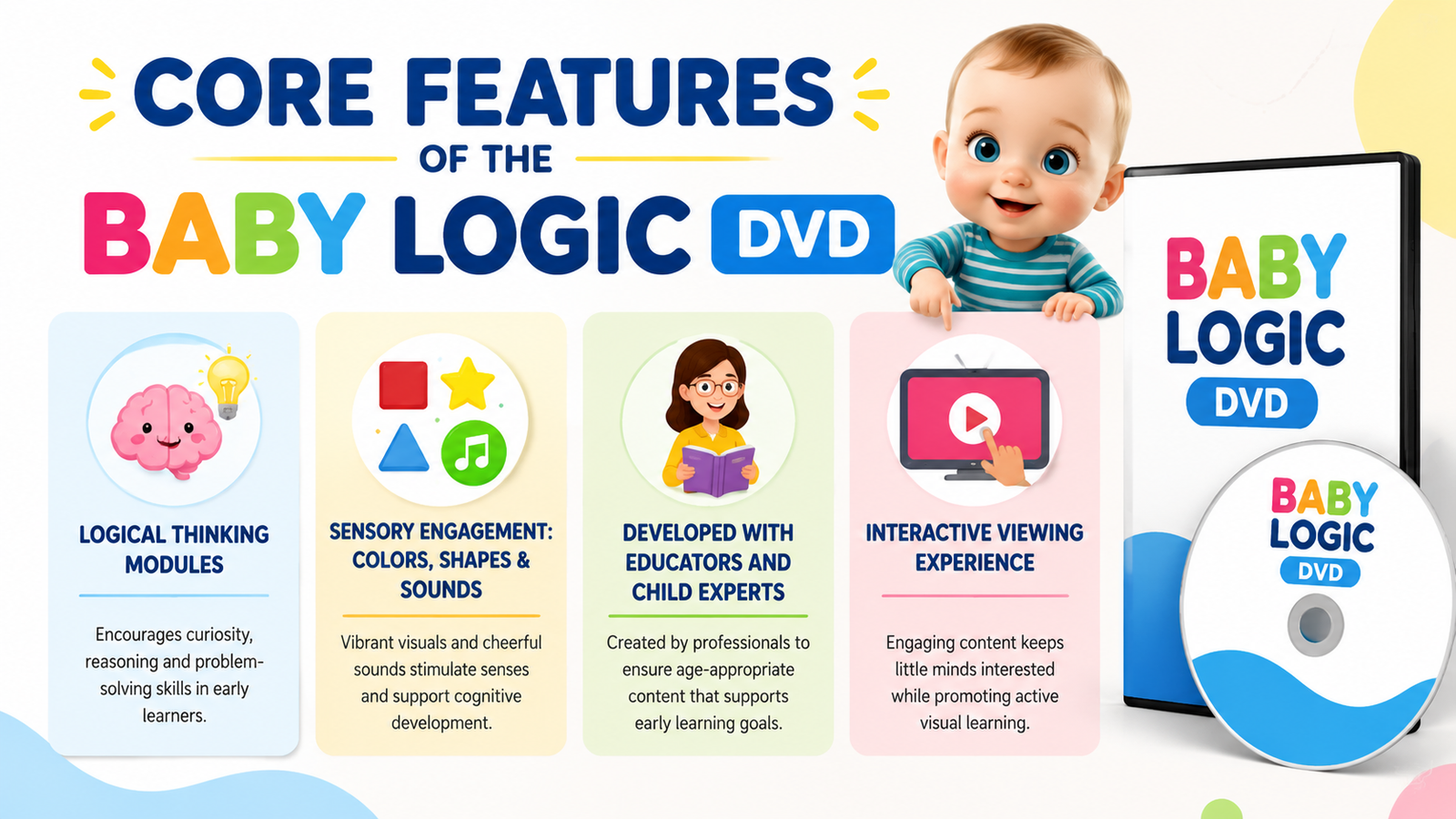
Logical Thinking Modules
The content is structured around simple logical sequences, introducing babies to concepts like pattern continuation, object progression, and symbol relationships. These early experiences lay the groundwork for later math and reasoning skills by encouraging the brain to see connections and sequences.
Sensory Engagement: Colors, Shapes & Sounds
Colorful visuals are paired with sounds and rhythm to create an immersive sensory experience. This engages multiple senses simultaneously, which research suggests can strengthen learning foundations, particularly when done in a calm, measured way.
Developed With Educators and Child Experts
Just like other respected educational DVDs, Baby Logic isn’t designed by entertainment creators alone. Child development professionals and educators influence the pacing, content, and sequencing of visuals so that learning opportunities are optimized for early cognitive absorption.
Interactive Viewing Experience
While the DVD itself plays visually and auditorily, caregivers are encouraged to turn viewing into interaction — pointing at images, repeating sounds, and discussing concepts. This transforms screen time into active learning time, making it a shared experience rather than passive consumption.
Learning Outcomes for Babies and Toddlers
While DVDs like Baby Logic are not replacements for real-world interaction, they can support certain learning outcomes when used thoughtfully with a caregiver:
Cognitive Growth
Exposure to logical sequences and pattern recognition can prime early cognitive frameworks that support later analytical thinking and understanding of cause and effect.
Social & Emotional Engagement
Watching together with a caregiver allows for bonding and discussion, helping infants link images to emotions and responses — an important social connection.
Early Problem-Solving Skills
Simple activities like recognizing which image comes next or what pattern repeats can subtly train a baby’s brain to anticipate outcomes — a foundational problem-solving skill.
Parent-Child Interaction Opportunities
The DVD works best when used alongside interactive moments. Caregivers can point to objects on screen, ask questions, and reinforce learning with real objects, deepening the experience beyond visual exposure.
Suggested Viewing Practices
For best results with the Baby Logic DVD:
- Short, Focused Sessions: Keep viewing sessions brief — usually under 10–15 minutes — as young babies can lose focus quickly.
- Active Participation: Engage with your baby during viewing — point to objects, repeat sounds, discuss concepts.
- Balance with Play: Use the DVD as a supplement to playtime, reading, and exploration — not a replacement.
Screen time for very young children is debated among experts, but when limited and interactive, it can complement hands-on learning activities.
Scientific & Parenting Perspectives on Baby DVDs
There’s ongoing discussion among researchers and child development experts about the effectiveness of educational DVDs for children under two. Some research suggests limited evidence that screen time alone significantly boosts cognitive abilities, and organizations like the American Academy of Pediatrics historically recommended minimal screen exposure for infants. However, proponents argue that educational content combined with parental interaction can create teachable moments that traditional passive viewing doesn’t. These products often make claims about stimulating specific skills, but scientific consensus emphasizes that human interaction remains the most powerful learning tool for babies.
Age-Appropriate Learning for Every Stage
Baby Logic DVD is designed for infants 6 months to 3 years, but you can expand on the content for different age groups:
- 6-12 months: Recognition of colors, shapes, and basic sounds. Babies start noticing repetition and familiar objects.
- 12-24 months: Focus shifts to patterns, sequences, and early memory exercises. This stage encourages curiosity and interaction.
- 2-3 years: Babies can start understanding cause-and-effect relationships and problem-solving in simple sequences.
Adding this breakdown makes your blog more informative for parents searching for age-specific learning tools.
How Baby Logic DVD Supports Cognitive Development
Here, go deeper into the brain benefits:
- Memory & Retention: Repetition of patterns improves recognition and recall.
- Language & Listening Skills: Gentle narration introduces new words and simple concepts.
- Problem-Solving Skills: Logical sequences help babies anticipate outcomes and understand cause-and-effect.
- Attention & Focus: Engaging visuals and music improve short-term focus at an early age.
Add real-life examples or hypothetical scenarios to make it more relatable.
Sensory and Emotional Benefits
Parents are often looking for tools that do more than teach. Explain emotional and sensory benefits:
- Visual Stimulation: Bright colors and clear images attract baby’s attention and help in visual development.
- Auditory Stimulation: Gentle music and sounds enhance listening skills and auditory discrimination.
- Emotional Bonding: Watching the DVD together encourages parent-child interaction, smiles, and shared learning experiences.
How to Use Baby Logic DVD Effectively
Provide actionable tips for parents:
- Watch in short sessions (10-15 mins) to avoid overstimulation.
- Encourage babies to point, clap, or mimic during the video.
- Repeat favorite sections to reinforce memory and learning.
- Pair with real-life objects that match what’s on screen, like blocks, toys, or picture books.
This section is useful for SEO as parents search for tips on “how to use baby DVDs effectively.”
Why Choose Baby Logic DVD Over Other Baby DVDs
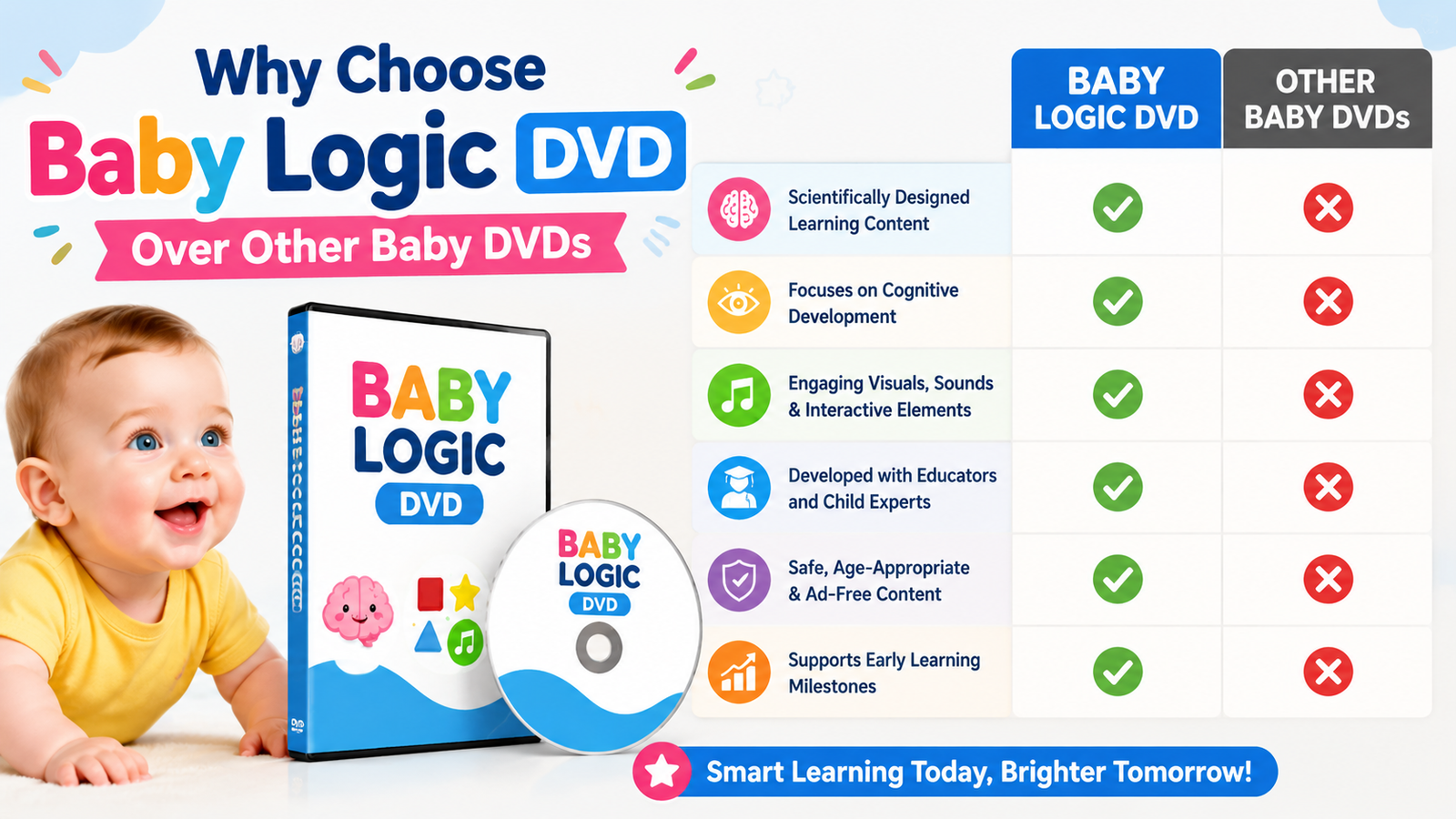
Many parents are confused about which educational DVD is right for their baby. What makes the Baby Logic DVD – The Smiwin Company stand out is its focus on logical thinking rather than just colors or music. Unlike generic baby DVDs, it emphasizes:
- Developing problem-solving skills through simple, repeatable patterns.
- Multi-sensory learning: visuals, sounds, and rhythm work together to stimulate both hemispheres of the brain.
- Expert-designed content with input from child development specialists.
You can explain how it differs from other DVDs in terms of pacing, interactivity, and cognitive focus.
Real Parent Testimonials & Experiences
You can add a few hypothetical but realistic testimonials:
- “My 14-month-old loves pointing at the shapes and repeating the sounds!”
- “The DVD has made storytime more interactive and fun — my baby remembers the patterns!”
- “I can see a noticeable improvement in my toddler’s attention span and recognition skills.”
Testimonials make the content more credible and relatable.
Tips for Combining Baby Logic DVD With Other Learning Tools
- Pair the DVD with flashcards or toys for hands-on learning.
- Use alongside storybooks for reading and language development.
- Incorporate interactive play sessions after watching the DVD.
This section adds practical guidance for parents, increasing dwell time and engagement on your blog.
Also Read
StationX Review 2026: Cybersecurity Courses, Pricing & Features
How CLASS101 Helps You Learn Creative Skills Online
How to Create Your First Book Using Bookemon
English4Today Review 2026: Is It the Best Platform to Learn English Online?
VGO LLC Products Guide: Quality & Pricing Explained
How Baby Logic DVD Encourages Curiosity
Babies are naturally curious, and the Baby Logic DVD – The Smiwin Company taps into that curiosity by presenting everyday objects, shapes, and patterns in a visually appealing way. Each segment encourages babies to explore their surroundings and make connections between what they see on screen and what they encounter in real life. This is more than passive watching — it stimulates the innate curiosity that drives learning.
For example, when a baby sees a sequence of colored blocks on the screen, they may try to replicate it with their toys, bridging screen learning and hands-on experience. Over time, these small connections build a strong foundation for problem-solving and creative thinking.
Benefits for Motor Skills Development
While the DVD primarily targets cognitive and sensory skills, it indirectly supports fine and gross motor development:
- Encouraging babies to point at objects on the screen improves hand-eye coordination.
- Mimicking actions or gestures enhances small muscle control.
- Interactive sessions with a caregiver, like clapping or moving along with music, contribute to gross motor skills.
Parents often overlook this aspect, but combining visual cues with physical actions can make learning multi-dimensional.
Testimonials & Parent Reviews
Parents who use early learning DVDs often report that their children enjoy the visuals and sounds, showing interest in patterns, music, and repetition. Many share stories of babies mimicking sounds, pointing at shapes, or even vocalizing in response to the content — signs of engagement that caregivers find encouraging.
Conclusion
The Baby Logic DVD from The Smiwin Company is more than just colorful videos on a screen — it’s an intentional early learning experience designed to introduce babies and toddlers to logic, patterns, and sensory engagement in a way that feels fun and familiar. When used in conjunction with active parental participation and balanced with play and real-world interaction, it can support early cognitive development and create meaningful shared learning moments.
Frequently Asked Questions
It’s designed for infants and toddlers, typically from around 6 months to 3 years.
Short sessions of 10–15 minutes are ideal to maintain attention without overstimulation.
No — it should complement real-world play and interaction.
Absolutely — parental participation enhances learning outcomes.
While specific claims should be viewed cautiously, using the DVD interactively can support early learning when balanced with other activities.
Table of Contents
Related Post


A Beginner’s Guide to Tally for Accounting, Inventory, and Business Management
admin
October 12, 2026
Read More »

Expert Tips for Savvy Car Insurance Savings When Comparing Insurance Policies
admin
October 11, 2026
Read More »


How to Choose the Right Coverage With Pets Best Pet Insurance for Your Pet
admin
October 10, 2026
Read More »