

Comparexpert
Comparison Between Company


Medical Guardian Review: Is It the Best Medical Alert System?
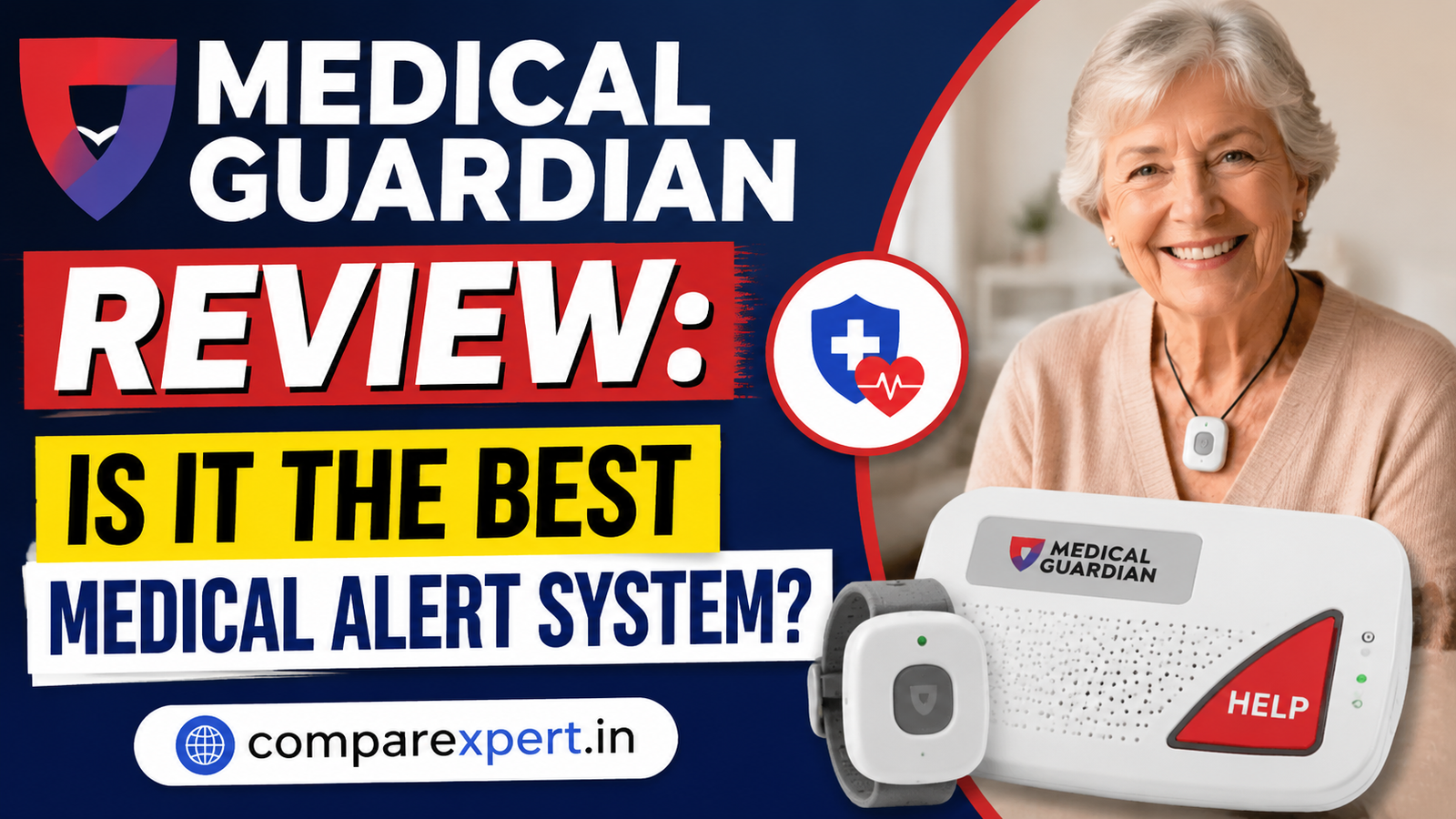
Discover everything you need to know in our in-depth Medical Guardian review. Explore its features, pricing, pros and cons, and real user experiences to find out if Medical Guardian is truly the best medical alert system for seniors and active adults seeking reliable safety and peace of mind.”
Table of Contents
Introduction
Choosing the right medical alert system for a loved one isn’t always straightforward. As we age, safety concerns — like falls, medical emergencies, or sudden health changes — become increasingly real. That’s where medical alert systems step in, promising immediate help with the press of a button. One name that frequently appears near the top of recommendations is Medical Guardian — but is it truly the best? This review dives into everything you need to know about Medical Guardian’s features, pricing, pros, cons, customer feedback, and how it stacks up against competitors in 2026.
What Is Medical Guardian?
Medical Guardian is a U.S.-based medical alert system provider that’s been serving older adults and individuals with health risks since 2005. Over the past decade, it has expanded its offerings to include a range of wearable and in‑home devices designed to detect emergencies and connect users to help immediately — whether they’re at home or on the go.
With hundreds of thousands of active users, Medical Guardian is considered one of the more established companies in the medical alert space. Safety features like fall detection, GPS location tracking, and caregiver alerts are part of its ecosystem. Its mission revolves around helping seniors live independently with peace of mind.
Types of Devices and Features
Medical Guardian offers a broad device lineup that can be categorized into in‑home systems and wearable mobile devices.Let’s break them down:
In‑Home Systems
Classic Guardian
The Classic Guardian is a basic home medical alert system that connects via cellular service or landline. It includes a wearable button (pendant or wristband) that communicates with the base unit, which then contacts the monitoring center. This option is ideal for people who mainly stay indoors and want a simple setup without advanced tech.
Home 2.0
A step up from Classic, Home 2.0 offers more range and flexibility. It relies on cellular connectivity and comes with backup battery power, ensuring you’re covered even during power outages. The range of detection from the base unit can reach up to over 1,300 feet.
Mobile Devices (On‑The‑Go)
Medical Guardian’s mobile devices give users the ability to receive help outside the home — a major advantage over many traditional systems.
MGMini
A compact GPS‑enabled device, the MGMini can be worn on a belt, bag, or lanyard. It tracks your location and connects you to emergency help wherever you are.
MGMini Lite
Similar in function to the MGMini but designed like a wristband, this version is slightly larger and often more comfortable for everyday wear. It’s waterproof and offers quick access to help.
MGMove Smartwatch
This modern smartwatch on top of alert features offers step counting, movement tracking, reminders, and more. While it’s a premium device with more capabilities, you’ll need to remember to charge it regularly.
Additional Features
The ecosystem also includes features like:
- Fall detection — typically an add‑on service
- Caregiver app — allows family members to track location or receive alerts
- Backup battery — ensures monitoring even in power outages
Pros of Medical Guardian
Medical Guardian shines in several important areas:
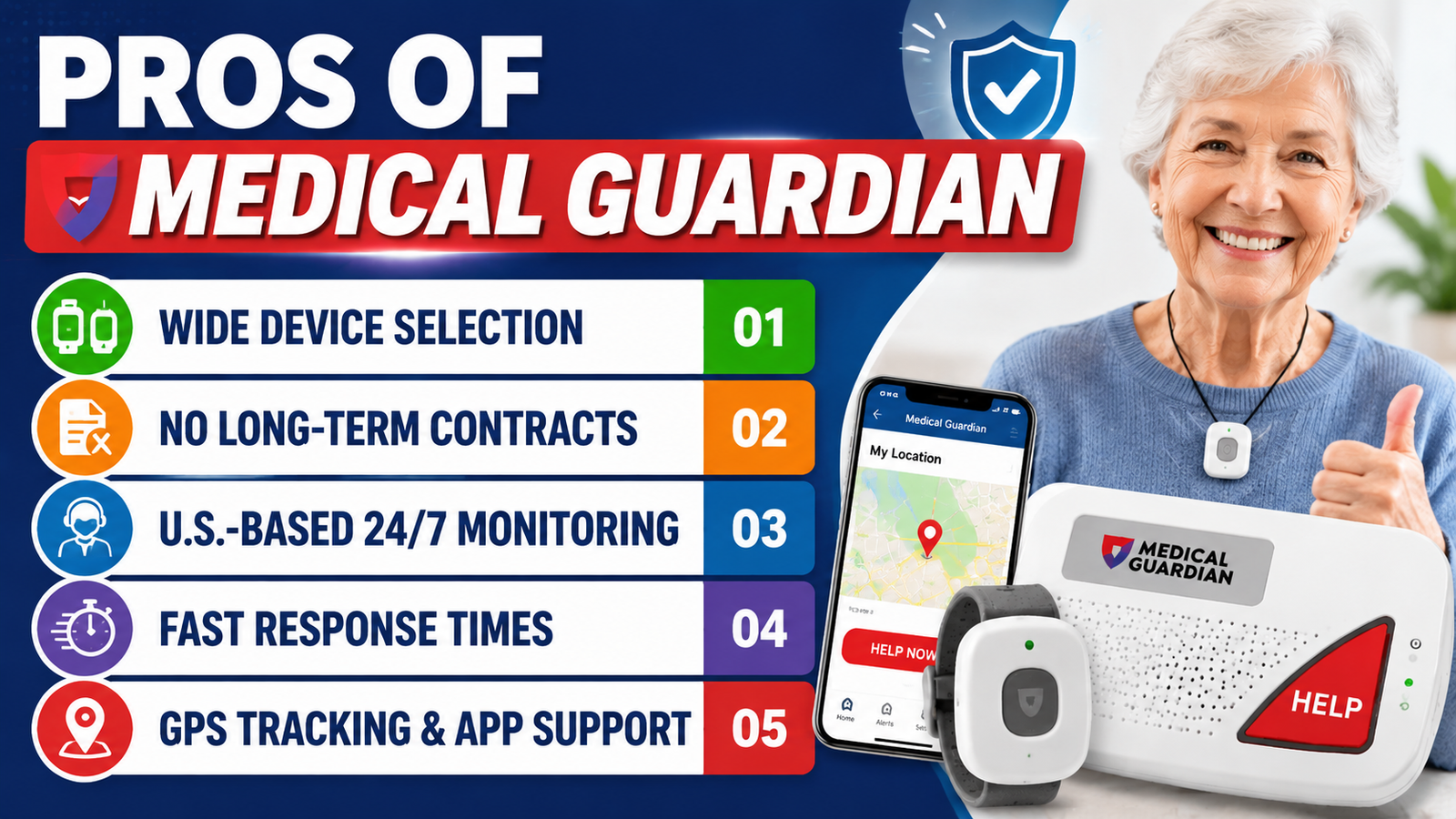
Wide Device Selection
From simple home units to smart wearables, there’s a strong mix of devices to fit different lifestyles and health needs.
No Long‑Term Contracts
Unlike some competitors, you aren’t locked into multi‑year plans, giving you flexibility if your care needs change.
U.S.‑Based 24/7 Monitoring
Round‑the‑clock monitoring from trained operators adds credibility — especially during emergencies.
Fast Response Times
Independent testers report average response times under a minute — one of the key indicators of a reliable system.
GPS Tracking & App Support
Mobile GPS devices with caregiver app support help families stay informed, especially for active seniors.
Cons and Limitations
However, no system is perfect — and Medical Guardian has drawbacks:
Additional Fees for Fall Detection
Fall detection is one of the most sought‑after features — yet it’s not included in the base plans and typically costs an extra ~$10/month.
Price Considerations
Compared with some competitors, Medical Guardian’s combination of equipment fees, monthly costs, and add‑ons can result in higher total expenses.
Mixed Customer Service Feedback
Some users report challenges with customer service, especially around cancellations or billing. Complaints include long hold times and difficulty resolving issues.
Cancellation Difficulties
Multiple customer reports suggest canceling service can be frustrating and time‑consuming — a significant downside if plans change.
How Medical Guardian Works
Monitoring Center Operations
Once an alert is triggered — either manually via a button or automatically via fall detection — the device communicates with the 24/7 U.S.-based monitoring center. Operators are trained to assess the situation, contact emergency services, and notify designated contacts.
Emergency Response & Protocol
When an alert is sent:
- The monitoring center receives it immediately.
- Operators attempt communication through the device.
- If the situation requires, local emergency services and family caregivers are contacted.
- If it’s a false alarm, users can cancel the alert by speaking with the operator.
This process typically takes under a minute — and in some tests, even less — which is crucial when every second counts.
Caregiver Alerts & App Integration
Medical Guardian’s MyGuardian mobile app lets loved ones monitor activity, view location (for mobile units), and receive alerts in real time. That adds a valuable layer of connected care, especially for family members who check in remotely.
Pricing, Plans & Costs
One of Medical Guardian’s selling points is flexible pricing structures. There are no long‑term contracts, and you can choose from monthly, quarterly, or annual plans.
Monthly Plans
- 💵 In‑home plans start around $27–$35/month
- 📍 GPS‑enabled mobile plans are typically $38–$47/month
- 📍 Smartwatch options tend to be slightly higher
Equipment Fees
Most devices other than Classic Guardian require an upfront equipment fee — usually around $125–$200. These are one‑time costs collected at purchase.
Optional Add‑Ons
- Fall detection: ~$10/month
- OnGuard alerts (text/email to family): ~$3/month
- Lockbox for emergency access: ~$2.99/month
- Device protection plan: ~$6.99/month
Real-Life Stories and Use Cases
Adding short user testimonials or stories makes the content relatable:
- “My father fell at home last month, and the Medical Guardian alert system contacted help immediately. The response was fast, and he got medical care in time. We feel much safer now.”
- “I travel frequently for work, and having a GPS-enabled device from Medical Guardian gives me peace of mind that help is always reachable, even when I’m miles from home.”
Stories like these boost engagement and credibility.
Tips for Choosing the Right Medical Alert System
You can include a helpful guide section:
- Evaluate lifestyle needs – in-home, mobile, or smartwatch?
- Check features – fall detection, GPS, app notifications, battery life.
- Consider pricing – monthly costs, equipment fees, optional add-ons.
- Review response times – fast emergency response is crucial.
- Read customer reviews – real-world experiences reveal reliability.
Who Should Consider Medical Guardian?
Medical Guardian isn’t just for seniors — it’s ideal for anyone who may need immediate medical assistance. For example:
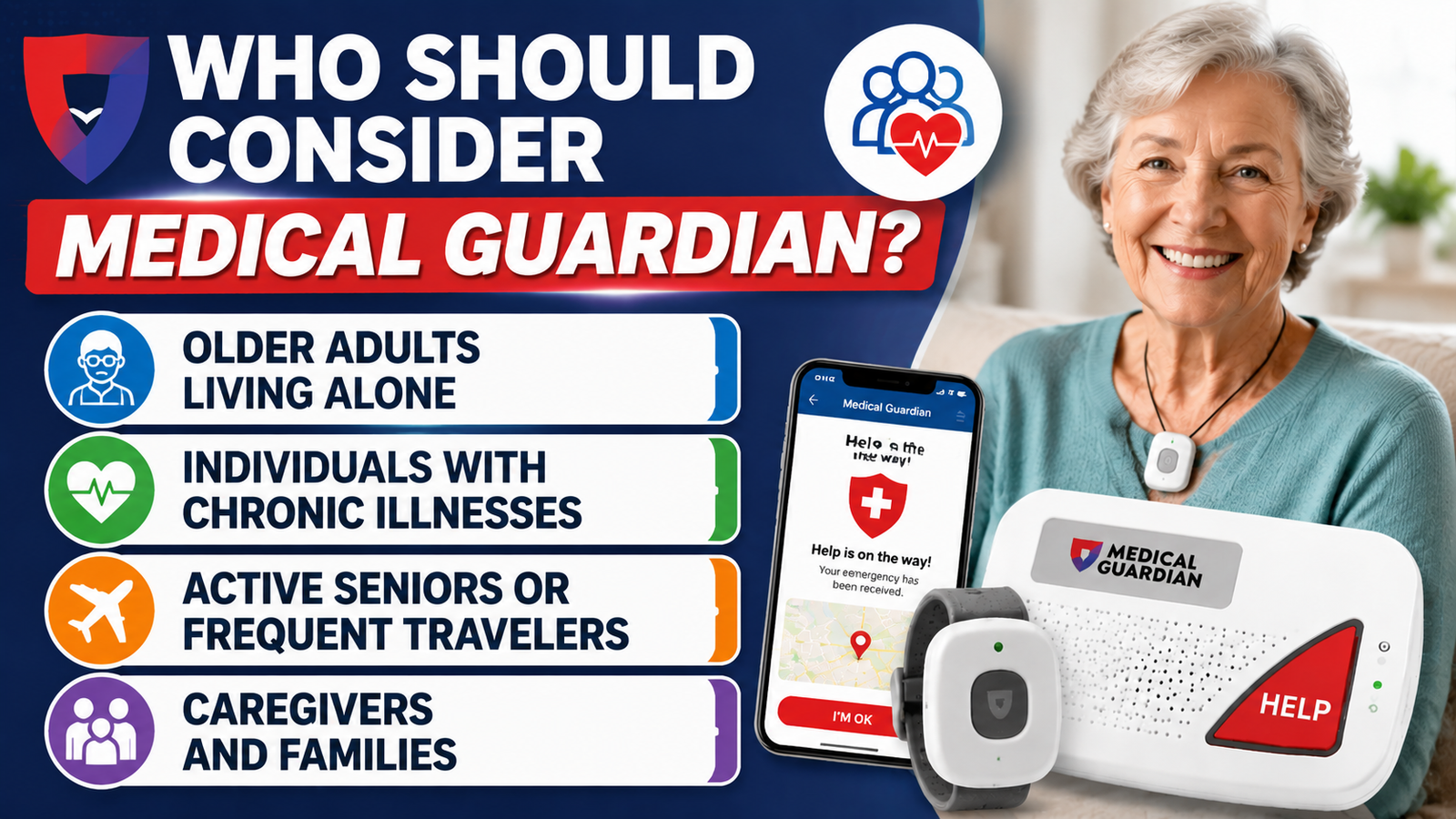
- Older adults living alone – provides peace of mind knowing help is always a button away.
- Individuals with chronic illnesses – conditions like diabetes, heart problems, or epilepsy can require immediate attention during emergencies.
- Active seniors or frequent travelers – mobile GPS devices ensure you’re protected outside the home.
- Caregivers and families – with app integration, loved ones can monitor activity and receive alerts, even remotely.
Including a section like this helps readers self-identify with the product’s audience, increasing engagement.
Latest Updates for 2026
You can add a section like:
- Enhanced wearable designs – Medical Guardian has updated smartwatches for 2026 with longer battery life.
- Improved app interface – easier for caregivers to track alerts and locations.
- Expanded device range – new MGMini Lite and MGMove smartwatch now available.
- Faster emergency response – average response time now under 60 seconds, according to recent tests.
SEO-Friendly Callouts
To strengthen SEO:
- Use phrases like “Medical Guardian features,” “Medical Guardian pricing,” “best medical alert system 2026,” and “Medical Guardian reviews.”
- Include internal links to related content such as “Top Medical Alert Systems in 2026” or “How to Choose the Right Medical Alert Device.”
- Add structured lists, bullet points, and headings with keywords naturally.
Also Read
Why Georgie and Tom’s Is Gaining Popularity Among Customers
Baby Logic DVD – The Smiwin Company: Benefits, Features & Learning Outcomes
Top Reasons Parents Choose BabyQuip for Stress-Free Family Travel
Analyst Preparation Inc Review: Courses, Pricing & Benefits
Tai Lopez Courses Review: Are Tai Lopez Programs Worth It?
Customer Experience: Reviews & Real‑World Feedback
Positive Feedback
Many customers highlight Medical Guardian’s reliability in emergencies and praise features like GPS tracking and prompt monitoring responses. Independent testers frequently note fast response times and strong device performance.
Negative Feedback
On the flip side, real users (including verified reviewers on Trustpilot and online forums) report issues with customer service, billing surprises, and occasional device glitches. Some users found it hard to cancel their plans or experienced confusing fee structures.
The mixed reviews underscore a common reality: medical alert systems can work wonderfully for some families but may create frustration in administrative areas for others.
Medical Guardian vs. Competitors
When stacked against alternatives like Medical Alert, Bay Alarm Medical, or Life Alert, Medical Guardian holds its own — especially in device variety, GPS capability, monitoring responsiveness, and modern wearable options.
📌 Who might prefer others?
- Budget‑conscious families looking for lower costs
- Users who want built‑in fall detection without add‑on fees
- People who want easy online cancellation
📌 Who benefits most from Medical Guardian?
- Active seniors who need GPS tracking
- Families wanting app integration
- Users who value technology and modern device options
Ultimately, “best” is subjective — and what works well for one family might not be ideal for another. Consider lifestyle, budget, connectivity, and specific health needs when choosing.
Conclusion
So, is Medical Guardian the best medical alert system? In many ways, yes — especially if you’re looking for a comprehensive, flexible system that supports in‑home and out‑of‑home use, GPS tracking, app connectivity, and reliable monitoring. Its wide device range and lack of long‑term contracts make it a compelling choice for many people in 2026.
However, it’s not perfect. Additional fees for key features like fall detection and mixed customer service feedback mean it’s worth comparing final costs and experiences before committing. Ultimately, whether it’s the best depends on your individual needs, budget, and priorities.
Frequently Asked Questions
No, Medical Guardian offers flexible plans that you can cancel at any time without long‑term commitments.
No — automatic fall detection is typically an add‑on that costs extra each month.
Yes, Medical Guardian’s mobile devices with GPS tracking are designed to work anywhere with cellular coverage.
Independent testing shows average monitoring response times under a minute, which is very competitive in the industry.
Some users report difficulties canceling online, and may need to contact customer service directly. Real‑world experiences vary.
Table of Contents
Related Post
A Beginner’s Guide to Tally for Accounting, Inventory, and Business Management
admin
October 12, 2026
Read More »

Expert Tips for Savvy Car Insurance Savings When Comparing Insurance Policies
admin
October 11, 2026
Read More »
How to Choose the Right Coverage With Pets Best Pet Insurance for Your Pet
admin
October 10, 2026
Read More »