

Comparexpert
Comparison Between Company


Exotic India: Complete Guide to Indian Art, Culture, and Products
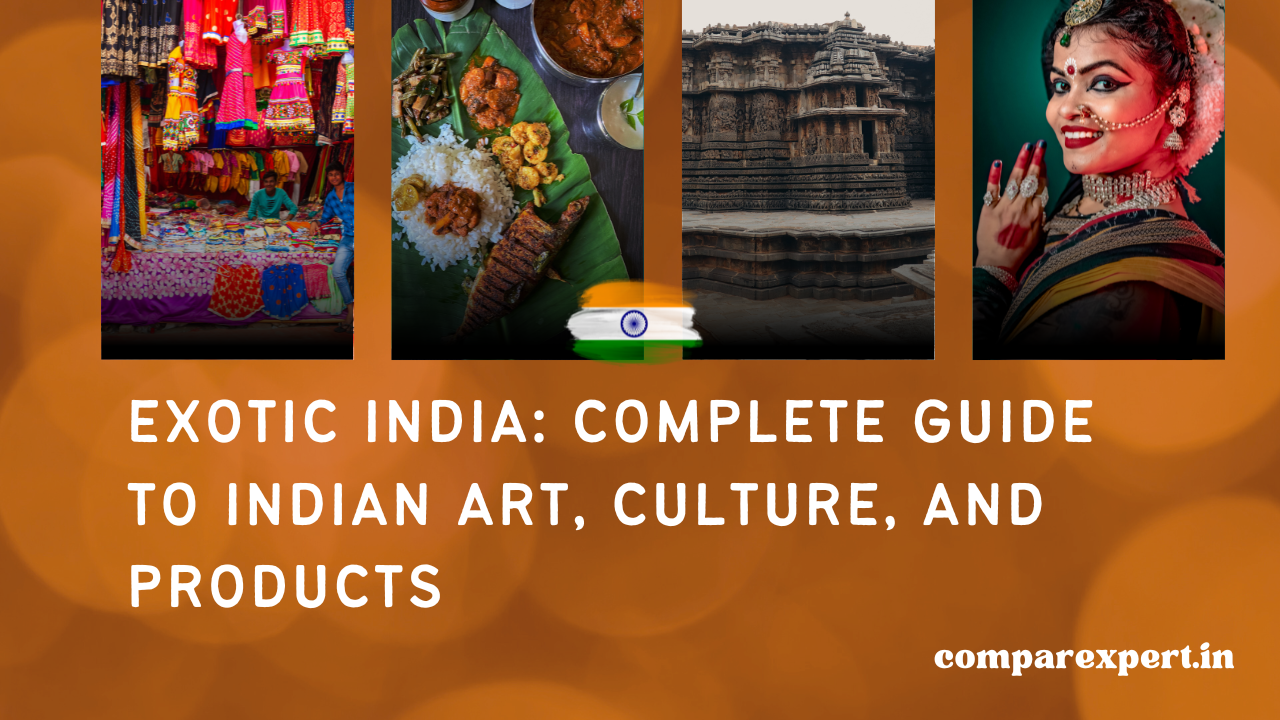
Explore Exotic India through its rich art, vibrant culture, traditional crafts, diverse cuisine, and unique products in this complete and engaging guide.
Table of Contents
Introduction to Exotic India
What Makes India “Exotic”?
When people say “Exotic India,” they’re not just talking about a place—they’re describing an experience. India feels like stepping into a living museum where history, culture, colors, and traditions blend into everyday life. From intricate handwoven fabrics to centuries-old art forms, everything carries a story. You don’t just see India—you feel it in the rhythm of its festivals, the aroma of spices, and the warmth of its people.
What really makes India stand out is its layered identity. You’ve got ancient traditions coexisting with modern lifestyles, rural craftsmanship influencing global fashion, and spiritual philosophies shaping everyday habits. It’s like a tapestry where every thread—whether art, food, or rituals—adds depth and meaning.
And let’s be real—where else can you find so many cultures, languages, and art styles within one country? India’s “exotic” tag comes from this overwhelming richness that feels both unfamiliar and deeply fascinating.
Diversity Across Regions
India is not just one culture—it’s a collection of micro-cultures. Each region feels like a different country with its own identity. Northern India gives you grand forts and Mughal architecture, while the South is known for temple carvings and classical dance. The East celebrates vibrant festivals and tribal art, and the West shines with colorful textiles and desert traditions.
This diversity spills into everything—food, clothing, art, and even daily routines. For example, a simple saree can look completely different depending on whether it’s from Banaras, Kanchipuram, or Bengal. Similarly, cuisine changes every few hundred kilometers, from spicy curries in Rajasthan to coconut-rich dishes in Kerala.
This regional richness is what makes exploring Indian art, culture, and products feel like an endless journey rather than a single destination.
Rich Heritage of Indian Art
Traditional Indian Paintings
Madhubani, Warli, and Pattachitra
Indian paintings are not just decorative—they’re storytelling tools passed down through generations. Take Madhubani art from Bihar, for example. It’s filled with geometric patterns and mythological themes, often painted using natural dyes. These artworks were traditionally created on walls but are now globally admired on canvas and textiles.
Then there’s Warli art from Maharashtra, known for its simple yet powerful stick-figure designs. It may look minimal, but it represents complex social and cultural narratives like farming, dancing, and rituals. On the other hand, Pattachitra paintings from Odisha are incredibly detailed, often depicting stories from epics like the Ramayana and Mahabharata.
What makes these styles unique is their connection to everyday life. They’re not just art—they’re reflections of culture, beliefs, and traditions.
Indian Sculpture and Architecture
Temples and Monuments
Indian architecture is nothing short of breathtaking. From the intricate carvings of ancient temples to the grandeur of Mughal monuments, every structure tells a story. Temples like those in Khajuraho or Tamil Nadu showcase unbelievable craftsmanship, with sculptures that seem almost alive.
These structures weren’t just built for aesthetics—they were designed with spiritual and symbolic significance. Every pillar, carving, and layout follows ancient architectural principles like Vastu Shastra.
Even today, these monuments attract millions of visitors, proving that Indian art isn’t just historical—it’s timeless.
Indian Handicrafts and Artisanal Products
Handmade Textiles
Silk, Cotton, and Wool Creations
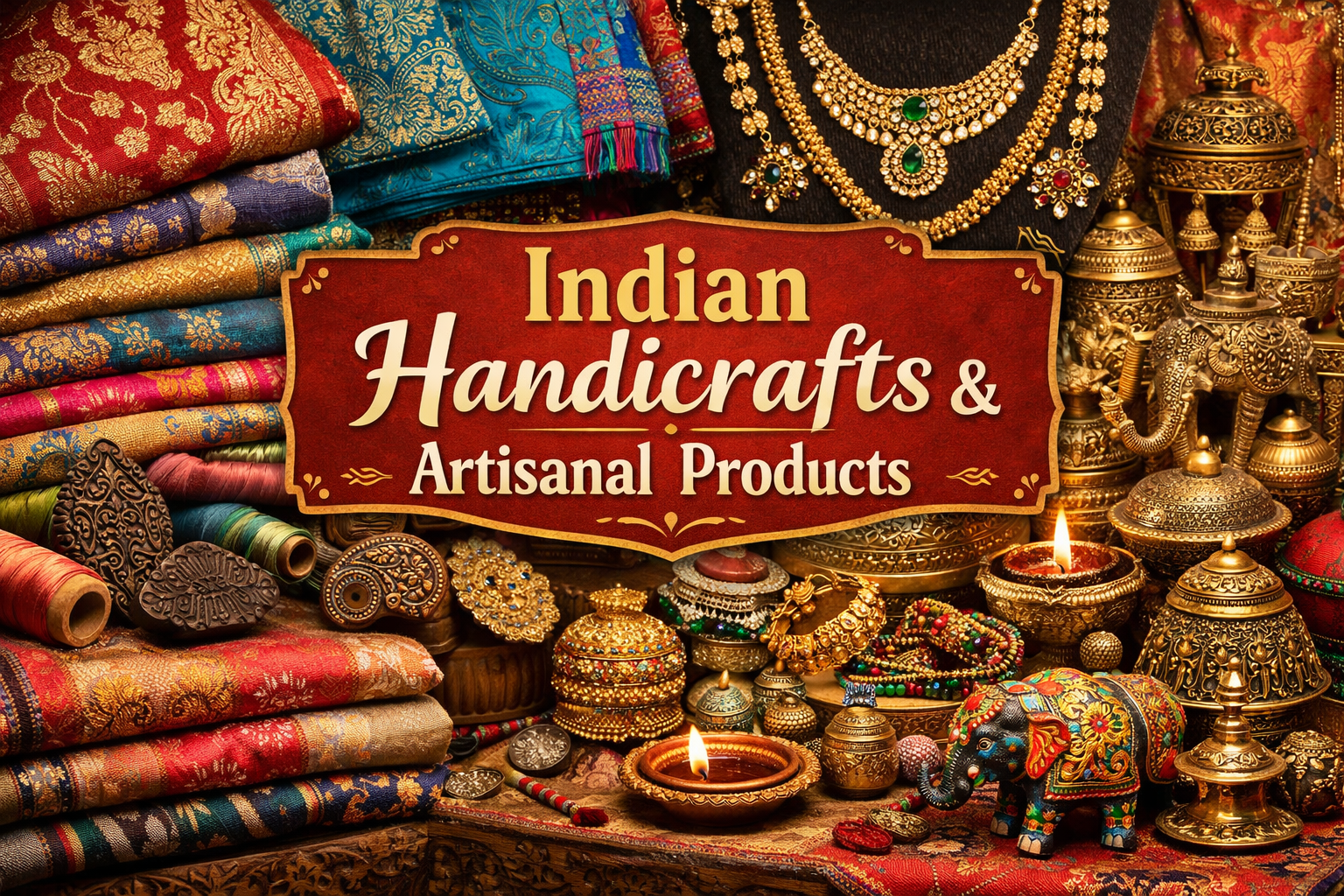
Indian textiles are globally admired, and honestly, once you touch them, you’ll understand why. The craftsmanship involved in weaving fabrics like Banarasi silk or Pashmina wool is incredible. These are not factory-made items—they’re the result of hours, sometimes days, of manual effort.
Different materials and methods are the specialties of each region. Gujarat is known for bandhani tie-dye, Rajasthan for block printing, and Kashmir for luxurious wool products. What’s fascinating is how these techniques have survived for centuries, often passed down within families.
These textiles are not just clothing—they’re wearable art pieces.
Jewelry and Decorative Items
Indian jewelry is bold, intricate, and deeply symbolic. From gold temple jewelry in the South to silver tribal ornaments in Rajasthan, every piece reflects cultural identity. Decorative items like carved wooden furniture, brass lamps, and hand-painted pottery also hold a special place.
These products are often handmade, making each piece unique. You’re not just buying an object—you’re owning a piece of tradition.
Cultural Diversity of India
Languages and Traditions
India has over 22 official languages and hundreds of dialects. That’s insane when you think about it. Each language carries its own literature, music, and traditions, making cultural exchange a daily experience.
Traditions vary widely—from wedding rituals to daily customs—but they all share a common thread of community and celebration.
Festivals and Celebrations
If there’s one thing India does best, it’s festivals. Whether it’s Diwali, Holi, or Durga Puja, celebrations are grand, colorful, and deeply meaningful.
These festivals aren’t just events—they’re emotional experiences that bring people together, regardless of background.
Indian Cuisine and Spices
Regional Food Diversity
Indian food is like a flavor explosion. Every region has its own specialties, from butter chicken in the North to dosa in the South. The use of spices creates layers of taste that are hard to replicate.
Popular Indian Spices
Spices are the backbone of Indian cuisine. Turmeric, cumin, coriander, and cardamom are just a few examples. These spices are not only flavorful but also have health benefits, which is why they’re used in traditional medicine as well.
Spiritual and Wellness Traditions
Yoga and Meditation
India is the birthplace of yoga, a practice that has gained global popularity. It’s not just about physical fitness—it’s about mental clarity and inner peace.
Ayurveda and Natural Healing
Ayurveda focuses on natural healing using herbs, diet, and lifestyle changes. It’s one of the oldest medical systems in the world and is still widely practiced today.
Indian Clothing and Fashion
Traditional Attire
Clothing in India is incredibly diverse. Sarees, lehengas, kurtas—each outfit has cultural significance and varies by region.
Modern Fusion Fashion
Modern Indian fashion blends traditional elements with contemporary styles, creating something unique and globally appealing.
Why Indian Products Are Globally Popular
Sustainability and Craftsmanship
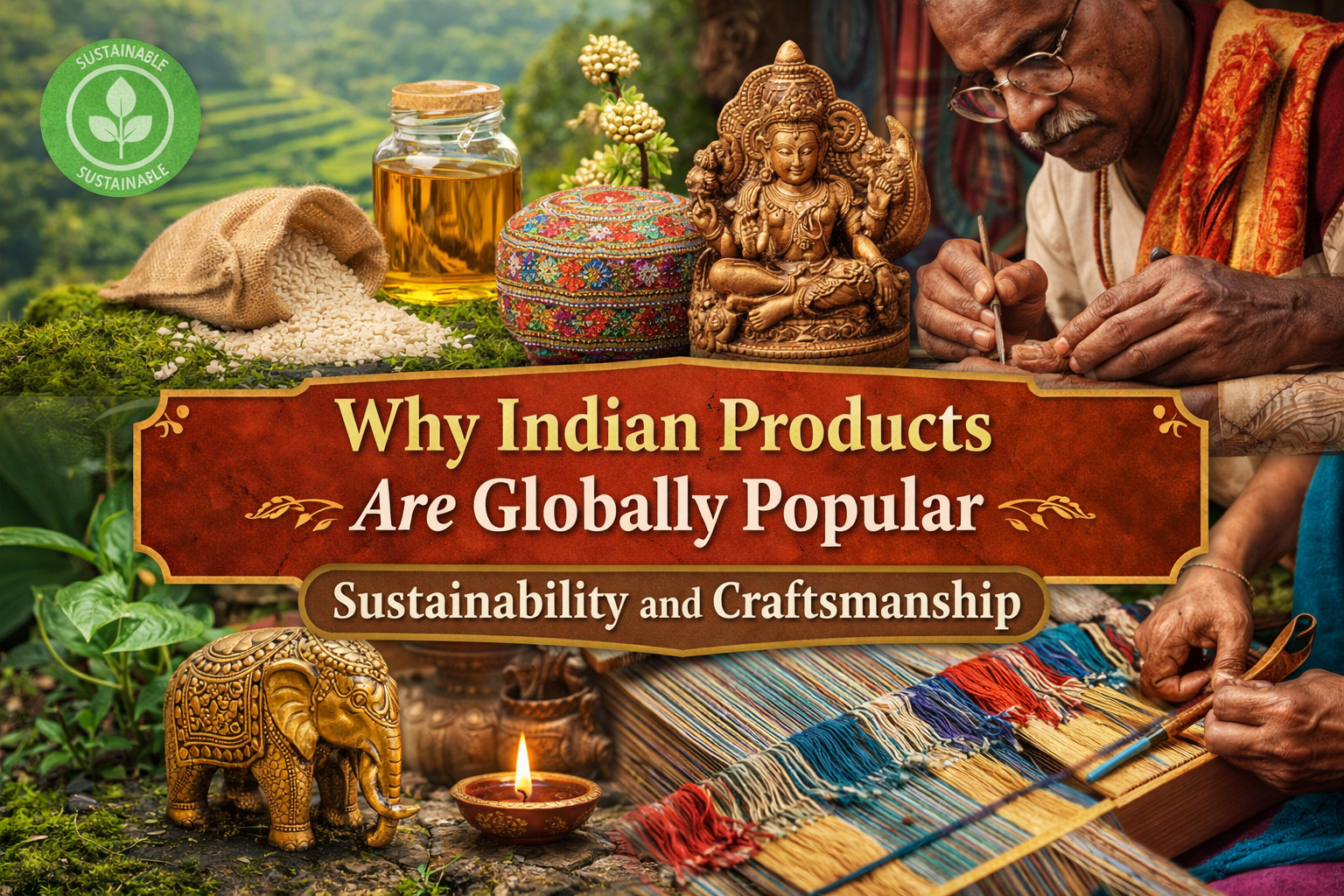
One of the biggest reasons for the global demand is sustainability. Many Indian products are handmade using eco-friendly methods. Plus, the level of craftsmanship is unmatched.
Popular Exotic Indian Products
Home Decor and Furniture
Indian home decor is known for its vibrant colors and intricate designs. From carved wooden furniture to handwoven rugs, these items add character to any space.
Organic and Herbal Products
India is a major producer of organic and herbal products, including essential oils, skincare items, and natural remedies.
Also Read
Truly Beauty Review: Is This Skincare Brand Worth the Hype?
Parcel ABC ES Review: Shipping Services and Delivery Options
THE HOME SECURIT: Complete Guide to Modern Home Security Solutions
Top 7 Reasons Zorgkiezer NL Is the Go-To Health Insurance Comparison Platform
How ConvertKit(Kit) Empowers Creators with Seamless Email Marketing
How to Buy Authentic Indian Products
Tips for Smart Shopping
- Look for handmade certifications
- Buy from trusted sellers
- Check material authenticity
- Avoid overly cheap products
Authenticity matters because it ensures quality and supports local artisans.
Conclusion
India is not just a country—it’s an experience that touches every sense. From its rich artistic heritage to its vibrant culture and high-quality products, everything about India feels alive and meaningful. Whether you’re exploring its textiles, tasting its cuisine, or practicing its wellness traditions, you’re connecting with something deeply rooted in history and creativity.
Frequently Asked Questions
Madhubani paintings, Pashmina shawls, and wooden carvings are among the most popular.
They offer unique flavors and have medicinal properties.
Yes, fusion fashion makes it adaptable for global trends.
Many are handmade and use sustainable materials.
Trusted online platforms and certified local stores are the best options.
Table of Contents
Related Post

Finding Student Housing and Communities With Erasmusu: A Practical Guide
admin
September 19, 2026
Read More »

What Travelers Should Know About Iberostar (closed) and Its Hotel History
admin
September 18, 2026
Read More »

Planning a European Trip? Discover the Benefits of Direct Ferries
admin
September 17, 2026
Read More »

What Makes Der Gepflegte Mann a Notable Name in Men’s Personal Care
admin
September 16, 2026
Read More »